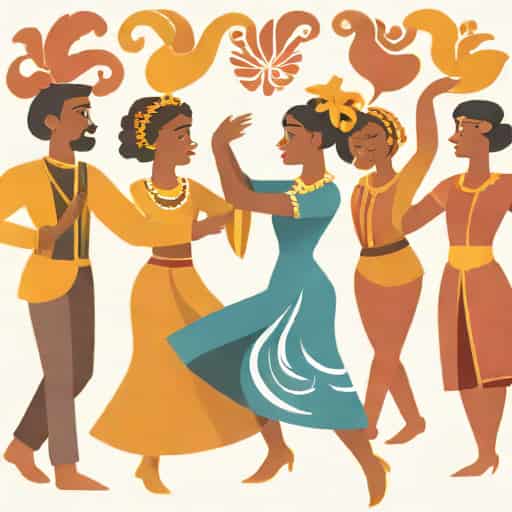
Folkloric dance is a vibrant and essential aspect of many cultures around the world. It is more than just a form of entertainment or physical activity; it represents a deep connection to history, tradition, and community identity. Through folkloric dance, societies pass down stories, values, and rituals from generation to generation, creating a living link between the past and the present. Understanding what folkloric dance represents in culture allows us to appreciate its significance in shaping social norms, preserving heritage, and celebrating collective identity.
Preservation of Cultural Heritage
One of the most important roles of folkloric dance is the preservation of cultural heritage. Each dance carries elements of a community’s history, beliefs, and customs. These dances often tell stories of historical events, daily life, or legendary figures, ensuring that knowledge of the past is not lost. By practicing and performing these dances, communities maintain a tangible connection to their roots, reinforcing a sense of identity and continuity.
Examples of Traditional Themes
Folkloric dances often include specific themes that reflect the culture they originate from
- Harvest celebrations, representing gratitude and the cycle of seasons
- Religious rituals, connecting communities to spiritual beliefs
- Heroic or historical stories, preserving important events or figures
- Everyday life and work, highlighting communal labor and social cooperation
Through these themes, folkloric dance serves as a living archive, communicating the values and experiences of a culture in an engaging and expressive manner.
Expression of Community Identity
Folkloric dance is a powerful expression of community identity. It provides a sense of belonging and pride for individuals within a cultural group. The costumes, music, and movements used in these dances are often unique to a specific region or ethnic group, reinforcing the distinct identity of that community. Participating in these dances allows members to connect with one another and celebrate their shared heritage.
Social and Communal Functions
These dances are not only performed on stage but also play an important role in social life
- Bringing people together during festivals, weddings, and public celebrations
- Encouraging cooperation and coordination among participants
- Strengthening intergenerational bonds by involving elders and youth
- Providing a platform for expressing collective joy, sorrow, or celebration
Through communal participation, folkloric dance fosters unity and social cohesion, making it an essential part of cultural sustainability.
Representation of Beliefs and Traditions
Many folkloric dances are closely tied to religious or spiritual beliefs. They can symbolize rituals, moral lessons, or connections to natural forces. For example, some dances are performed to honor deities, seek blessings, or ensure a successful harvest. The movements, patterns, and music are often symbolic, representing deeper philosophical or spiritual concepts. In this way, folkloric dance functions as a medium for expressing the intangible aspects of culture, including values, ethics, and cosmology.
Symbolism in Dance Movements
Each gesture and step in folkloric dance can carry significant meaning. For instance
- Hand movements may symbolize sowing seeds, giving thanks, or invoking protection
- Footwork patterns can reflect agricultural cycles, hunting practices, or tribal formations
- Costumes and masks often represent animals, spirits, or ancestors
- Music and rhythm guide the narrative and emotional tone of the dance
This symbolism allows dances to convey complex cultural narratives without the use of words, preserving knowledge in a form that is both visual and experiential.
Transmission of Cultural Knowledge
Folkloric dance is also an important educational tool. It serves to teach younger generations about their history, societal roles, and cultural norms. Through dance, children learn not only the steps and movements but also the stories, etiquette, and values embedded in the performance. This form of learning reinforces cultural continuity and ensures that traditions are passed down in an engaging and memorable way.
Intergenerational Learning
Many folkloric dances are taught within families or community groups, creating opportunities for mentorship and shared experience. Elders guide younger dancers, teaching them both the technical aspects of the dance and the cultural significance behind it. This process strengthens intergenerational relationships and fosters respect for heritage, highlighting the role of dance as a living cultural bridge.
Celebration and Entertainment
While folkloric dance has deep cultural and social significance, it is also a source of celebration and entertainment. Festivals, performances, and competitions showcase the beauty and skill of traditional dances, attracting both local and international audiences. This celebratory aspect helps maintain the relevance of folkloric dance in contemporary society, ensuring that it remains a dynamic and evolving art form.
Global Influence
In addition to local significance, folkloric dance often influences global culture. Performances can travel beyond their community of origin, promoting cultural exchange and appreciation. Tourists, scholars, and artists gain exposure to new traditions, fostering intercultural understanding. In this way, folkloric dance not only preserves culture but also spreads awareness of its values and aesthetics worldwide.
Folkloric dance represents a rich and multifaceted aspect of culture. It preserves heritage, expresses community identity, conveys beliefs and traditions, facilitates intergenerational learning, and provides celebration and entertainment. Through its movements, music, costumes, and stories, folkloric dance keeps history alive, fosters social cohesion, and maintains a sense of cultural continuity. Understanding the significance of folkloric dance allows us to appreciate the depth of human creativity and the ways in which communities communicate values, history, and identity. As both a traditional practice and a living art form, folkloric dance remains an essential element of cultural expression worldwide.