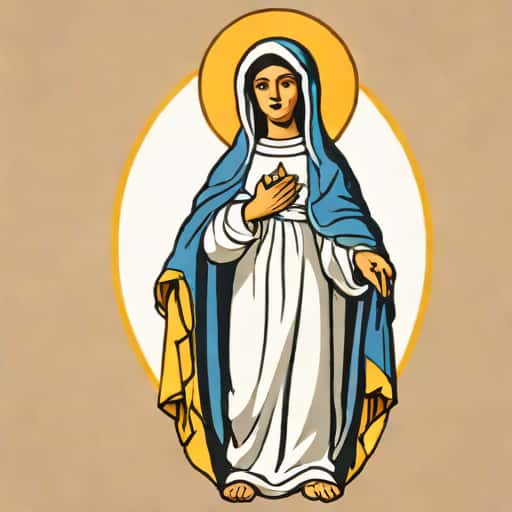
Mary Immaculate, also known as the Blessed Virgin Mary under the title of the Immaculate Conception, holds a special place in the hearts of many Catholics in the United States. Recognized as the patroness of the country, Mary Immaculate symbolizes purity, devotion, and protection. Her role as a spiritual mother extends to guiding and interceding for the faithful, offering comfort and inspiration to individuals and communities alike. The devotion to Mary Immaculate has deep historical and cultural roots in the United States, reflecting the influence of Catholic faith in shaping religious practices, traditions, and national identity. Understanding her significance provides insight into both religious beliefs and the broader spiritual heritage of the nation.
The Title of Mary Immaculate
The title Mary Immaculate refers to the belief in the Immaculate Conception, a doctrine of the Catholic Church that teaches Mary was conceived without original sin. This belief highlights her unique holiness and her role in the divine plan of salvation. As a model of purity and virtue, Mary Immaculate serves as an example for all the faithful, inspiring devotion, moral conduct, and spiritual growth. The doctrine was formally defined by Pope Pius IX in 1854, emphasizing the special grace and favor bestowed upon Mary from the moment of her conception.
Significance in Catholic Doctrine
- Mary was preserved from original sin by God’s grace from her conception.
- She is considered the Mother of God, highlighting her central role in Christian theology.
- Her purity and holiness serve as a model for all believers.
- The feast of the Immaculate Conception is celebrated on December 8 every year.
- She intercedes on behalf of the faithful, offering guidance and protection.
Mary Immaculate as Patroness of the United States
Mary Immaculate was formally declared the patroness of the United States in 1846 by the United States bishops, reflecting the growing devotion to her among American Catholics. This designation recognized her as a spiritual guardian for the nation and its people. The choice of Mary Immaculate as patroness emphasizes the ideals of faith, virtue, and moral guidance that she represents. Catholics across the United States look to her intercession in times of personal and national need, trusting in her protection and support for both individuals and communities.
Historical Context
The early devotion to Mary Immaculate in the United States coincided with a period of rapid growth in the Catholic population, largely due to immigration from Europe. Many immigrants brought with them a strong devotion to Mary, particularly under the title of the Immaculate Conception. This devotion was further strengthened by the bishops’ formal declaration, uniting Catholics across different states under a common patronage and reinforcing a sense of spiritual identity. Churches, schools, and institutions dedicated to Mary Immaculate were established, highlighting her importance in both religious and cultural life.
Feast of the Immaculate Conception
The Feast of the Immaculate Conception is a key celebration in honor of Mary Immaculate. Observed on December 8, it is a holy day of obligation for Catholics, meaning that the faithful are encouraged to attend Mass and participate in devotional practices. The feast celebrates Mary’s sinless conception and her role as a model of faith and virtue. Across the United States, parishes hold special Masses, processions, and prayers in her honor, reflecting the deep devotion and reverence Catholics have for Mary as the patroness of the nation.
Practices and Devotions
- Attending Mass and receiving the sacraments in honor of Mary Immaculate.
- Praying the Rosary, with a focus on the Joyful Mysteries and her role in salvation.
- Participating in processions or parish celebrations on December 8.
- Educating children and young people about Mary’s life and virtues.
- Placing statues or images of Mary Immaculate in homes, schools, and churches as reminders of her patronage.
Mary Immaculate in American Catholic Life
Mary Immaculate’s role as patroness extends beyond formal recognition. She serves as a symbol of hope, guidance, and spiritual protection in the daily lives of American Catholics. Schools, churches, and religious organizations dedicated to Mary emphasize her teachings, virtues, and example of faith. Through prayer, devotion, and participation in religious traditions, Catholics express their reliance on her intercession and celebrate her enduring presence in American Catholic life. Her patronage also serves as a unifying force, linking Catholics across regions and generations under shared beliefs and devotion.
Impact on Education and Institutions
Many Catholic schools and institutions in the United States are named in honor of Mary Immaculate. These institutions often incorporate teachings about her life, virtues, and patronage into their curricula, encouraging students to reflect on moral values, service, and faith. Mary Immaculate’s influence is also seen in hospitals, charitable organizations, and parish programs that carry her name, reinforcing the connection between religious devotion and practical service to others.
Spiritual Significance
Mary Immaculate is not only a national patroness but also a spiritual mother to millions of Catholics. Her example inspires humility, obedience to God, and dedication to prayer and service. Many turn to her for comfort in difficult times, guidance in moral decisions, and intercession for personal intentions. The devotion to Mary Immaculate reflects a deep trust in her role as an advocate for humanity and a protector of the faithful, both individually and collectively. Her spiritual presence encourages Catholics to live lives of virtue, faith, and compassion.
Mary as a Model for the Faithful
- Embodying purity and holiness in thought, word, and action.
- Demonstrating obedience to God through her acceptance of divine will.
- Serving as an intercessor, praying on behalf of humanity.
- Encouraging moral and spiritual growth among the faithful.
- Inspiring devotion through prayer, reflection, and acts of service.
Mary Immaculate, patroness of the United States, holds a place of profound significance in both the religious and cultural life of American Catholics. Her designation as patroness highlights her role as a spiritual guide, protector, and model of virtue. Through devotion, prayer, and celebration of her feast day, Catholics across the country honor her intercession and seek her guidance in daily life. Her influence extends to education, charitable work, and parish life, reinforcing the connection between faith and action. Reflecting on Mary Immaculate’s patronage allows Catholics to appreciate the depth of her spiritual presence and the enduring impact of her example on the moral and religious identity of the United States.