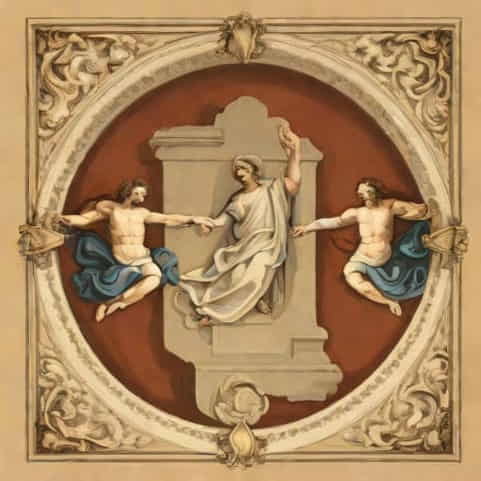
The Sistine Chapel is one of the most iconic masterpieces of art and architecture in the world, known for its breathtaking ceiling painted by Michelangelo and its significant role in the history of the Catholic Church. Located in Vatican City, the chapel attracts millions of visitors each year who come to admire its stunning frescoes and historic significance. Understanding the origins of the Sistine Chapel, including the empire under which it was built, provides insight into the political, cultural, and religious forces that shaped Renaissance art and architecture. This topic explores the history, construction, and cultural context of the Sistine Chapel, emphasizing its creation under a specific empire and its enduring legacy.
Historical Context of the Sistine Chapel
The Sistine Chapel was constructed during the height of the Renaissance, a period marked by profound developments in art, science, and philosophy. The chapel was commissioned to serve as a place of worship, papal ceremonies, and the election of new popes. Its construction reflected the Catholic Church’s desire to demonstrate power, wealth, and devotion through monumental architecture. The name Sistine derives from Pope Sixtus IV, who ordered its construction, and his vision was to create a space that would inspire awe and reinforce the Church’s influence over spiritual and cultural life.
Under What Empire the Sistine Chapel Was Built
The Sistine Chapel was built under the Papal States, an independent territory in central Italy governed by the Pope. At the time, the Papal States were part of the broader Holy Roman Empire’s sphere of influence, but they were administered directly by the papacy. The Papal States provided the political and economic framework necessary for such a grand architectural project. Pope Sixtus IV, who reigned from 1471 to 1484, leveraged the resources of the Papal States to commission the chapel, employing some of the most skilled architects, engineers, and artists of the era. Therefore, the chapel was built under the authority of the papacy within the context of the Italian Renaissance, rather than under a modern nation-state system.
Construction of the Sistine Chapel
The construction of the Sistine Chapel began in 1473 and was completed in 1481. The architect Giovanni dei Dolci supervised the project, and the chapel’s design drew inspiration from the Temple of Solomon described in the Bible. Its rectangular shape, approximately 40 meters long and 14 meters wide, was intentionally symbolic, emphasizing harmony, proportion, and reverence. The chapel was adorned with frescoes by prominent artists of the time, including Sandro Botticelli, Pietro Perugino, and Domenico Ghirlandaio. These frescoes illustrated biblical stories, the lives of popes, and other religious themes, creating an immersive experience for worshippers and visitors.
Role of Pope Sixtus IV
Pope Sixtus IV played a crucial role in the creation of the Sistine Chapel. His patronage provided the necessary funds, materials, and political support to complete the project. Sixtus IV also recruited the best artists available, ensuring that the chapel would become a masterpiece of Renaissance art. Beyond its artistic significance, the chapel served as a political statement, demonstrating the Pope’s authority and the cultural prominence of the Papal States. His vision emphasized the fusion of spiritual devotion and artistic excellence, a hallmark of Renaissance thinking.
Artistic Significance
The Sistine Chapel is perhaps most famous for its ceiling, painted by Michelangelo between 1508 and 1512. The ceiling features intricate depictions of biblical scenes, including the iconic Creation of Adam. Michelangelo’s work exemplified Renaissance ideals of humanism, anatomy, and perspective, transforming the chapel into a symbol of artistic innovation. The frescoes commissioned under Pope Sixtus IV and completed under subsequent popes reflect the collaboration of multiple generations of artists, demonstrating the lasting influence of the Papal States as patrons of the arts.
Other Notable Features
In addition to Michelangelo’s ceiling, the Sistine Chapel contains the famous fresco The Last Judgment, painted by Michelangelo between 1536 and 1541, and other works by Renaissance masters. The walls feature scenes from the life of Moses and Christ, painted by artists such as Botticelli and Ghirlandaio. The chapel’s design and decoration represent a deliberate effort to combine architecture, theology, and art, reflecting the intellectual and spiritual priorities of the Papal States under the guidance of Pope Sixtus IV.
Religious and Cultural Impact
The Sistine Chapel continues to play a central role in Catholic rituals, including papal conclaves, where new popes are elected. Its artistic and cultural significance extends beyond the Church, influencing generations of artists and attracting scholars, historians, and tourists worldwide. The chapel symbolizes the power of the papacy during the Renaissance, showcasing how the Papal States were able to harness art, architecture, and religion to assert cultural authority and inspire devotion. The Sistine Chapel remains a testament to the enduring legacy of Renaissance art and the vision of Pope Sixtus IV.
Influence on Later Art and Architecture
The techniques and artistic achievements of the Sistine Chapel have influenced countless artists and architects throughout history. Its use of perspective, anatomical accuracy, and thematic cohesion set new standards for monumental art. The chapel’s construction under the Papal States also illustrates how political and religious institutions can shape artistic innovation, a concept that continued to inform European art for centuries. By examining the Sistine Chapel, scholars gain insights into the interplay between empire, patronage, and creativity during the Renaissance.
Preservation and Modern Significance
Today, the Sistine Chapel is carefully preserved to maintain its structural integrity and artistic value. Restoration projects have revealed the vivid colors and intricate details of the original frescoes, allowing visitors to appreciate Michelangelo’s genius and the contributions of other Renaissance artists. The chapel’s enduring importance highlights the historical significance of the Papal States and their role in commissioning some of the world’s most treasured art. It remains a powerful reminder of how political authority and religious vision can leave a lasting cultural legacy.
Visiting the Sistine Chapel
Millions of tourists and pilgrims visit the Sistine Chapel annually to admire its artistic splendor and historical significance. Guided tours and educational programs provide insights into the chapel’s construction under the Papal States, the symbolism of its artwork, and its role in the Catholic Church. Visitors gain an appreciation for the combination of architecture, painting, and religious devotion that defines the Sistine Chapel, reinforcing its status as one of the greatest cultural achievements of the Renaissance.
The Sistine Chapel was built under the authority of the Papal States, an empire governed by the Pope during the Italian Renaissance. Commissioned by Pope Sixtus IV, it stands as a symbol of religious devotion, political power, and artistic excellence. The construction and decoration of the chapel involved numerous Renaissance artists, with Michelangelo’s ceiling and The Last Judgment representing the pinnacle of artistic achievement. Beyond its aesthetic value, the Sistine Chapel illustrates the influence of the Papal States on art, culture, and religion, showcasing how empire, vision, and creativity intersected to produce a lasting masterpiece. Today, the chapel continues to inspire millions of people, preserving the legacy of the Papal States and the remarkable period of Renaissance art and thought.