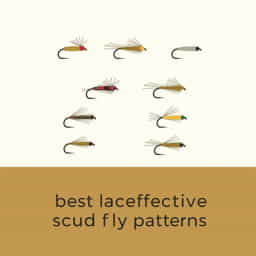
Scud flies have long been a favorite choice among fly anglers targeting trout and other freshwater species that feed on small aquatic invertebrates. These tiny shrimp-like creatures are an essential part of the aquatic food chain, and imitating them effectively can lead to more consistent catches. The best scud fly patterns replicate the shape, size, and subtle movements of these creatures, making them irresistible to fish. Knowing which scud patterns to choose and how to fish them can significantly improve your success on streams, rivers, and lakes where scuds are abundant.
What Are Scud Flies and Why Are They Effective?
Scuds are small freshwater amphipods commonly found among rocks, vegetation, and detritus in lakes and streams. They serve as a major food source for many fish species. Scud fly patterns mimic these tiny crustaceans with slender, curved bodies and subtle leg and antennae details. Their effectiveness comes from their realistic appearance and natural drifting or crawling movement in the water, which can easily fool even the wariest trout.
Key Characteristics of Effective Scud Patterns
- Size: Usually tied in sizes ranging from 14 to 20 to match natural scud sizes.
- Body Shape: Curved, segmented bodies that imitate the amphipod’s shape.
- Material: Often use soft synthetic or natural dubbing for lifelike translucency.
- Color: Earthy tones like olive, tan, gray, and cream work best to mimic real scuds.
- Weight: Slightly weighted to allow the fly to sink and drift naturally near the bottom.
Top Scud Fly Patterns to Consider
Here are some of the best scud fly patterns that have proven themselves over time in various fishing conditions:
1. Hares Ear Scud
A simple yet effective pattern, the Hares Ear Scud uses hare’s ear dubbing to create a translucent and buggy body. It captures the essence of a natural scud with its segmented, soft texture. The inclusion of fine wire ribbing adds durability and segmentation, enhancing its realistic appearance. This pattern works well in streams and lakes where natural scuds are common.
2. RS2 Scud
The RS2 Scud is known for its realistic shape and subtle movement. Tied with a curved hook and soft dubbing, it features ribbing and a bead or wire to add weight for fast sinking. Anglers favor this pattern for its ability to imitate a variety of scud colors, especially in cooler waters where scuds tend to be smaller and more delicate.
3. Emerger’s Scud
This pattern is designed to imitate scuds as they emerge from the substrate, showing a slightly different silhouette compared to typical scuds. The emerger’s scud has a softer body with less pronounced ribbing and a more translucent look, mimicking a scud in transition. It is excellent for slow-moving waters and still lakes.
4. Soft Hackle Scud
Combining the traits of a traditional scud with a soft hackle, this pattern adds subtle movement and lifelike legs to the fly. The hackle fibers create natural pulsations in the water, which helps attract fish. This fly is especially useful in streams with moderate flow where the added movement can trigger more strikes.
5. Curved Back Scud
Tied on a curved hook to imitate the natural arch of a scud’s body, this pattern is known for its realistic posture and motion. The curved back scud is often weighted with a small bead or wire to ensure it stays near the bottom where scuds dwell. The choice of dubbing and color plays a crucial role in matching local scud populations.
How to Fish Scud Patterns for Best Results
Fishing scud patterns requires an understanding of how these tiny creatures behave in their natural environment. They tend to cling to rocks, vegetation, and debris near the bottom. Here are some techniques to maximize the effectiveness of scud flies:
Dead Drift Near the Bottom
Present your scud fly with a dead drift just above the river or lakebed. Using a weighted leader or adding split shot can help keep the fly in the strike zone longer. This method mimics the natural drifting behavior of scuds as they move with the current.
Slow Retrieve with Small Twitches
In still waters or lakes, a slow retrieve with intermittent twitches can simulate a scud crawling or swimming. This subtle movement can entice fish to investigate, especially in colder months when fish are less aggressive.
Use a Strike Indicator
A small strike indicator can help detect subtle takes when fishing scud patterns under the surface. Because scuds are small and often targeted by cautious fish, bites may be light and require sensitive detection.
Fish During Scud Hatch Times
In many waters, scuds hatch or emerge in large numbers during specific seasons, often late fall through early spring. Matching the hatch by using scud patterns during these times can significantly improve your catch rates.
Matching the Hatch: Colors and Sizes
Selecting the right color and size is crucial when fishing scud flies. Observing local aquatic life and water conditions can guide your choices. Common colors like olive, tan, cream, and light gray cover a wide range of natural scuds. For size, matching the local scud population between sizes 14 and 20 is generally effective.
Customizing Your Scud Patterns
Many anglers customize their scud flies by adding small bead heads, wire ribbing, or using different dubbing materials to match local conditions. Experimenting with these elements can help tailor your flies to specific fisheries and water types.
Where to Use Scud Flies
Scud flies are versatile and can be used in various freshwater environments:
- Streams and rivers: Target scud-rich pools and slower current seams.
- Lakes and reservoirs: Fish near weed beds and rocky shorelines where scuds gather.
- Spring creeks: Known for their clear water and abundant scuds, these are prime locations.
- Coldwater fisheries: Scuds thrive in cooler temperatures, making scud patterns ideal in these settings.
Choosing the best scud fly pattern involves understanding the natural characteristics of scuds, their habitat, and the feeding habits of fish in your target water. Patterns like the Hares Ear Scud, RS2 Scud, and Soft Hackle Scud provide excellent starting points for any angler. Coupled with appropriate fishing techniques such as dead drifting and slow retrieves, scud flies can significantly increase your success on the water. Always observe local conditions and be ready to adjust your fly size and color to match the hatch perfectly. With the right approach, scud patterns are a powerful tool in any fly fisher’s arsenal.