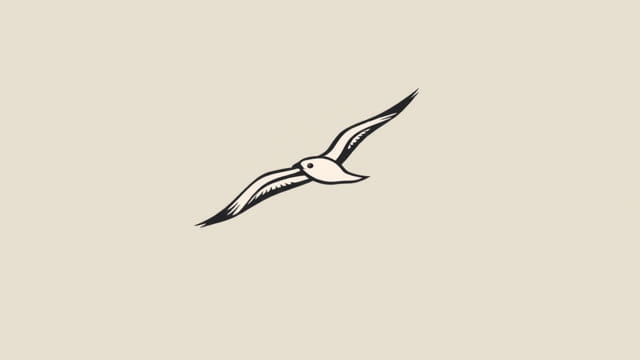
Among the many fascinating birds of prey that soar across grasslands and wetlands, the harrier bird stands out for its graceful flight, keen eyesight, and unique hunting style. Known for their low, gliding patrols just above the ground, harriers are among the most efficient and agile raptors found in open habitats. These birds are not just symbols of wild landscapes but also indicators of healthy ecosystems. Learning about harrier birds opens a window into the life of aerial hunters that thrive in a variety of environments around the world.
Understanding the Harrier Bird
The harrier bird is a medium-sized raptor belonging to the family Accipitridae, which also includes hawks, eagles, and kites. Harriers are distinguished by their slender bodies, long wings, and long tails. These physical features make them highly adapted to hunting in open areas such as grasslands, marshes, and agricultural fields. Their most recognizable behavior is flying low over the ground in search of prey, a technique that sets them apart from other raptors.
Genus and Species
Harriers belong primarily to the genusCircus. The name Circus comes from the Greek word for circle, referencing the bird’s circling flight. Several species fall under this group, including:
- Montagu’s Harrier (Circus pygargus)
- Northern Harrier (Circus hudsonius)
- Pallid Harrier (Circus macrourus)
- Hen Harrier (Circus cyaneus)
- Papuan Harrier (Circus spilothorax)
Each species has its own range and preferred habitat, but they all share similar hunting styles and body structures.
Physical Appearance
Harrier birds are characterized by their long wings and tails, which help them glide silently over fields and marshes. Most harriers exhibit sexual dimorphism, meaning males and females look different. Typically, males are lighter in color often gray or silver while females are larger and darker, with brown and buff tones that help them blend into the environment, especially during nesting.
Size and Wingspan
- Length: 40 to 50 cm (16 to 20 inches)
- Wingspan: 100 to 120 cm (39 to 47 inches)
- Weight: 300 to 700 grams (10 to 25 ounces)
Their facial structure resembles that of an owl, with a distinct disc shape that helps funnel sound to their ears. This adaptation allows them to hunt not just by sight, but also by sound a rare trait among raptors.
Habitat and Distribution
Harrier birds are found on nearly every continent, occupying open environments where their low-flight hunting strategy is most effective. These include:
- Marshes and wetlands
- Prairies and grasslands
- Savannas and meadows
- Farmlands and agricultural zones
Different species are adapted to different climates. For example, the Northern Harrier is found across North America, especially in Canada and the United States, while the Hen Harrier ranges across Europe and parts of Asia. The Montagu’s Harrier migrates between Europe and Africa, showing the bird’s remarkable ability to adapt across regions.
Diet and Hunting Behavior
Harrier birds are carnivorous and rely on stealth and precision to capture their prey. They typically fly just a few feet above the ground, scanning with their sharp eyesight and acute hearing. Their diet varies depending on the region but commonly includes:
- Small mammals such as voles and mice
- Birds, especially ground-nesting species
- Frogs and amphibians
- Insects, especially during the breeding season
What makes harriers especially effective hunters is their ability to glide silently and hover briefly before diving down to snatch prey. Their long legs and sharp talons enable them to grab animals even in dense vegetation.
Breeding and Nesting Habits
Unlike many raptors that build nests in trees or on cliffs, harriers usually nest on the ground. The female selects a concealed spot, often in tall grasses or reeds, where she builds a nest from twigs and plant material. These nests are difficult to spot, providing protection from predators and harsh weather.
Reproduction
- Breeding Season: Spring and early summer
- Clutch Size: 3 to 6 eggs
- Incubation: About 30 to 35 days
- Fledging Time: 4 to 6 weeks after hatching
The female is primarily responsible for incubation and feeding the chicks, while the male provides food. In some species, polygyny (one male mating with multiple females) has been observed. This strategy, though unusual among raptors, seems to work well in environments with abundant food resources.
Conservation and Threats
Several harrier species face significant threats due to habitat loss, pesticide use, and climate change. Ground-nesting makes them vulnerable to farming machinery and human disturbance. The Hen Harrier, for example, has suffered population declines in parts of the UK due to illegal persecution related to gamebird management.
Main Threats to Harrier Birds
- Loss of wetlands and grasslands
- Use of pesticides that reduce prey populations
- Disturbance from agriculture and development
- Poaching and illegal hunting
Conservation efforts include habitat protection, educating the public, and legal enforcement against persecution. Some countries have also created nesting platforms and protected zones to encourage breeding and population recovery.
Harrier Birds and Ecosystem Balance
Harriers play a crucial role in maintaining the balance of their ecosystems. By preying on rodents and small birds, they help control populations that could otherwise become pests. Their presence is often a sign of a healthy, functioning ecosystem with a strong food web and minimal human interference.
In areas where harrier populations thrive, biodiversity tends to be richer, as their hunting behavior shapes the behavior and density of other species. Their disappearance from a region can be a warning sign that something is wrong with the local environment.
The harrier bird is a remarkable raptor known for its graceful flight, stealthy hunting, and vital role in the ecosystem. With its unique adaptations and wide global range, it continues to fascinate birdwatchers, scientists, and conservationists. While several species are thriving, others face serious threats that require our attention and action. By understanding the life and importance of the harrier bird, we take a step toward preserving not just a single species, but the integrity of the wild places they call home.