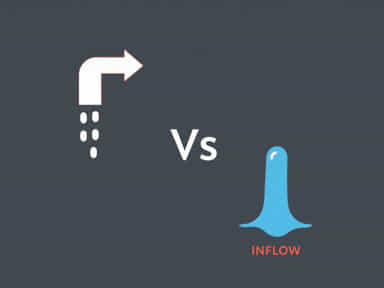
When it comes to understanding market behavior and investor sentiment, one of the key indicators that analysts and traders observe is the flow of money into and out of stocks. These movements are often categorized as inflows and outflows. Though these terms may seem simple on the surface, they offer valuable insight into stock trends, institutional activity, and overall market dynamics. Differentiating between outflow vs inflow in stocks is crucial for both short-term traders and long-term investors who wish to navigate the market with greater confidence and precision.
Understanding Stock Inflows
What Is an Inflow?
Stock inflow refers to the amount of money being invested into a particular stock or the market as a whole during a specific period. When inflows are high, it indicates that more investors are buying shares, leading to a rise in demand and often, an increase in the stock price.
Indicators of Inflow
- Increased buying volume on a stock.
- Positive price momentum with rising trade volumes.
- Institutional purchases or large block trades.
- Positive news or earnings announcements that drive investor interest.
What Inflows Suggest About Market Sentiment
Inflows typically signal bullish sentiment. It means that investors expect future growth or positive returns. When inflows are consistent over days or weeks, it may indicate strong confidence in a company’s fundamentals or market position. For example, during earnings season, if a company posts higher-than-expected profits, inflows may surge as traders rush to capitalize on future growth potential.
Understanding Stock Outflows
What Is an Outflow?
Outflow refers to money leaving a particular stock or the market. This usually happens when investors sell off their shares, either to take profits, cut losses, or move capital elsewhere. High outflows can lead to a drop in a stock’s price if selling pressure outweighs buying interest.
Indicators of Outflow
- Increased sell volume, especially without matching buy orders.
- Declining prices accompanied by heavy trade activity.
- Insider selling or institutional exits.
- Negative company news, poor earnings, or broader economic concerns.
What Outflows Suggest About Market Sentiment
Outflows are generally associated with bearish sentiment. Investors might be losing confidence in the stock, sector, or even the overall market. Continuous outflows can indicate a long-term downtrend or signal that major investors are repositioning their portfolios toward safer or more profitable assets.
Comparing Inflows and Outflows
Flow Direction and Stock Price
The balance between inflows and outflows directly impacts a stock’s price movement:
- More inflows than outflows: Buying pressure increases, often driving prices up.
- More outflows than inflows: Selling pressure dominates, typically pushing prices lower.
Monitoring the net flow (inflows minus outflows) helps investors determine whether a stock is under accumulation or distribution. This is a common technique used by technical analysts to spot breakout or breakdown signals.
Short-Term vs Long-Term Impact
In the short term, a sudden inflow or outflow can create sharp price movements. However, sustained inflows or outflows over a longer period often indicate a significant trend that may persist for weeks or months. Long-term inflows are a sign of investor conviction, while consistent outflows may hint at deeper fundamental issues.
Sources of Data on Inflows and Outflows
How to Track These Metrics
Many trading platforms and financial websites provide data on stock inflows and outflows. These may appear as:
- Daily or weekly fund flow reports.
- Volume analysis charts with buy vs sell separation.
- Institutional activity logs.
- News alerts highlighting large transactions or block trades.
It’s important to pair flow data with other forms of analysis like technical indicators or earnings reports to make well-informed decisions.
Limitations of Flow Data
While inflow and outflow data is useful, it should not be relied upon in isolation. Sometimes a large inflow may be due to speculative trading or a short squeeze, while outflows could result from portfolio rebalancing rather than pessimism. Understanding the context is key to interpreting these signals accurately.
Examples of Outflow vs Inflow in Action
Tech Stock Inflow
Imagine a technology company announces a new product launch that excites investors. Within hours, buying interest surges, and the stock experiences strong inflows. Prices climb sharply, volume increases, and media coverage fuels further interest. This is a textbook case of inflow leading to a bullish rally.
Banking Sector Outflow
Now consider a banking company that misses its earnings targets and reports a significant drop in revenue. Traders begin selling the stock, leading to massive outflows. The price begins to decline steadily over the week, with heavy sell-side volume an indication of bearish momentum triggered by outflows.
Using Flow Analysis in Trading Strategy
Day Traders and Flow Data
Day traders closely monitor real-time flow data to capture intraday price swings. Sharp increases in inflow volumes might prompt quick buy trades with tight stop-losses, while a spike in outflows could signal short-selling opportunities.
Swing and Long-Term Traders
These traders often look at broader flow patterns over days or weeks. A persistent inflow might justify holding a position longer, while steady outflows could indicate it’s time to exit or avoid a position entirely.
Combining With Other Tools
To increase effectiveness, investors often combine flow analysis with:
- Moving averages to confirm trend direction.
- Relative Strength Index (RSI) to spot overbought or oversold conditions.
- Fundamental analysis to evaluate whether flow is justified by the company’s performance.
Understanding the difference between outflow and inflow in stock trading is essential for analyzing market sentiment and making informed investment decisions. Inflows generally indicate positive sentiment and rising demand, while outflows suggest caution or bearish outlooks. By regularly observing flow data and combining it with technical and fundamental analysis, traders can enhance their decision-making process and better navigate the ever-changing stock market. Whether you are a beginner learning the basics or an experienced trader seeking refined strategies, mastering inflow and outflow dynamics can be a powerful tool in your investment toolkit.