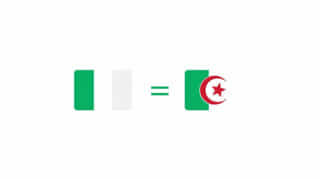
The exchange rate between the Nigerian Naira (NGN) and the Algerian Dinar (DZD) is a topic of interest for travelers, businesses, students, and economists in West and North Africa. These two currencies represent important economies on the African continent, and understanding their conversion is essential for cross-border trade, remittances, and investment decisions. The value of one currency compared to another is influenced by multiple economic factors such as inflation, interest rates, foreign reserves, government policies, and international market demand.
Overview of the Naira and the Dinar
Nigerian Naira (NGN)
The Nigerian Naira is the official currency of Nigeria and is issued by the Central Bank of Nigeria (CBN). Introduced in 1973 to replace the Nigerian pound, the Naira has faced several economic challenges over the years. Nigeria’s economy, heavily dependent on oil exports, often sees its currency fluctuate in response to global oil prices, inflation, and monetary policy decisions.
In recent years, the Naira has experienced depreciation due to declining oil revenues, rising inflation, and currency devaluation strategies by the central bank. Despite efforts to stabilize the Naira through interventions and foreign exchange reforms, the currency remains under pressure in both official and parallel markets.
Algerian Dinar (DZD)
The Algerian Dinar is the official currency of Algeria and is issued by the Bank of Algeria. Similar to Nigeria, Algeria is an oil-dependent economy, with hydrocarbons accounting for the majority of its export earnings. The Algerian government maintains a controlled foreign exchange regime, which affects how the Dinar trades internationally.
While the Dinar is relatively stable compared to many African currencies, it is still influenced by inflation, budget deficits, and global oil price trends. The official rate is usually lower than the black-market rate, which can create discrepancies in currency value depending on where and how the exchange occurs.
Exchange Rate Trends: Naira to Algerian Dinar
The exchange rate between the Naira and the Dinar is not as commonly tracked as rates involving the U.S. dollar or Euro, but it is still important for individuals and businesses involved in bilateral relations between Nigeria and Algeria. As of recent data, the conversion typically shows that one Algerian Dinar is worth several Nigerian Naira, though the exact figure can vary daily depending on market conditions.
Several platforms and banks offer updated exchange rate information, but users should always check whether the rate quoted is the official central bank rate or the market rate, as the difference can be significant.
Factors Influencing Naira to Dinar Exchange
- Oil Prices: Both Nigeria and Algeria are oil-producing nations. Fluctuations in global oil prices directly impact their national revenues and, subsequently, their currencies.
- Inflation Rates: Nigeria has experienced higher inflation in recent years compared to Algeria. Higher inflation typically weakens a currency’s purchasing power and exchange value.
- Monetary Policies: Central bank policies, including interest rate decisions and foreign exchange regulations, influence currency stability and exchange rates.
- Political Stability: Political events, security issues, and policy uncertainty can create risk in the foreign exchange market, impacting investor confidence and currency values.
- Demand and Supply: The demand for either currency in foreign exchange markets, including remittances and trade flows, plays a significant role in rate determination.
How to Convert Naira to Algerian Dinar
Currency conversion can be done in various ways, depending on the amount, purpose, and destination. The most common methods include using currency exchange platforms, banks, mobile money services, or peer-to-peer transfers. Here are some key considerations when converting Naira to Dinar:
- Official vs. Black Market: Always confirm whether the rate being offered is official. Black market rates can be higher but come with legal and security risks.
- Transfer Fees: Money transfer services and banks may charge transaction fees or add hidden costs through spread rates.
- Timing: Exchange rates can change rapidly. Monitoring trends and converting during favorable periods can result in better value.
- Currency Availability: Dinar may not always be readily available in Nigeria, so planning ahead is important, especially for travelers.
Example Conversion
To illustrate, suppose the current exchange rate is 1 Algerian Dinar = 10 Nigerian Naira. If a person wants to convert 50,000 Naira, they would receive approximately 5,000 Dinar. This example is for illustrative purposes only, and the real rate may vary significantly based on the prevailing economic climate.
Economic Relationship Between Nigeria and Algeria
While trade between Nigeria and Algeria is not extensive compared to their trade with global partners, both countries are members of the African Union and the African Continental Free Trade Area (AfCFTA). This agreement aims to improve intra-African trade and could lead to increased demand for currency exchange between the Naira and Dinar in the future.
Cooperation in energy, technology, and regional security also presents opportunities for closer economic ties, which would make the currency conversion more relevant for government and private sector entities alike.
Challenges in Currency Exchange
Several obstacles affect the efficient exchange of Naira to Dinar, including:
- Limited direct access to Dinar in Nigeria and vice versa
- Exchange rate volatility due to economic instability
- Foreign exchange controls in both countries
- Lack of publicly accessible forex data for the NGN/DZD pair
To address these challenges, users often have to route conversions through a third currency such as the U.S. dollar or Euro, which may involve additional conversion steps and costs.
Tips for Getting the Best Exchange Rate
Maximizing the value of your currency exchange requires careful planning and awareness. Here are some useful tips:
- Compare rates across banks, forex bureaus, and online platforms
- Use reputable services with transparent fee structures
- Monitor economic news that may affect exchange rates
- Plan large conversions when the rate is most favorable
- Use multi-currency accounts if dealing with frequent exchanges
The Future of Naira to Dinar Exchange
As economic ties between African countries strengthen and digital financial services become more widespread, the ease of converting currencies like the Naira to Dinar is expected to improve. Initiatives like Pan-African Payment and Settlement Systems (PAPSS) aim to simplify cross-border payments in local currencies, reducing the dependency on external intermediaries like the dollar or euro.
With increased integration and technological innovation, it is likely that exchange rate transparency and accessibility for pairs like NGN/DZD will enhance in the near future.
Understanding the exchange rate between the Naira and the Algerian Dinar is important for anyone involved in financial transactions between Nigeria and Algeria. While currently limited by various economic and regulatory challenges, this currency pair may gain more prominence as Africa moves toward greater economic unity and cross-border trade. By keeping informed and using strategic conversion practices, individuals and businesses can make the most out of their currency exchange activities between NGN and DZD.