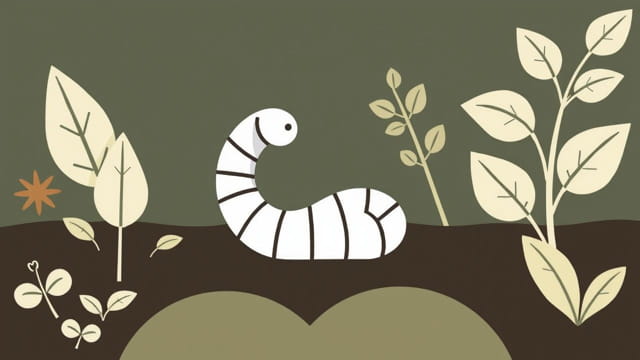
In many gardens, beneath the surface of the soil, there lives a group of helpful creatures that are often overlooked. These are garden annelids segmented worms that play a vital role in maintaining healthy soil and supporting plant growth. Although they may not be the most glamorous organisms in a garden, their presence is often a sign of fertile, thriving earth. Gardeners and soil scientists alike recognize the importance of these annelids, especially when it comes to aeration, decomposition, and nutrient cycling.
Understanding the Term ‘Garden Annelid’
Definition and Classification
The term garden annelid refers to members of the phylum Annelida, which includes segmented worms commonly found in garden soil. The most well-known garden annelid is the earthworm, but this group also includes other lesser-known species that live in moist environments. These worms have elongated, cylindrical, and segmented bodies, making them highly adapted for burrowing through soil.
Common Types of Garden Annelids
Several annelids are found in gardens, but the most common include:
- Lumbricus terrestris– Often called the common earthworm, it is widely distributed and highly beneficial for garden health.
- Eisenia fetida– Also known as the red wiggler, this species is frequently used in composting systems.
- Aporrectodea caliginosa– A common soil-dwelling worm that is important for soil mixing and structure.
Biological Features of Garden Annelids
Body Structure
Garden annelids are characterized by their segmented bodies, which are divided into ring-like sections called metameres. Each segment contains muscles and organs that contribute to movement and internal function. Their skin is moist and covered with mucus, allowing for gas exchange through the body surface.
Sensory and Locomotion Abilities
While garden annelids do not have eyes, they can sense light and vibrations, helping them avoid predators and remain in suitable environments. They move through the soil using bristle-like structures called setae, combined with wave-like muscle contractions along their body segments.
Role of Garden Annelids in Soil Health
Soil Aeration
One of the most beneficial activities of garden annelids is their burrowing behavior. As they move through the soil, they create tunnels that improve soil aeration. This process allows oxygen to reach plant roots more efficiently and helps beneficial microorganisms thrive.
Decomposition and Nutrient Recycling
Garden annelids feed on organic matter such as decaying leaves, plant material, and microorganisms. As they digest this material, it is broken down into smaller ptopics, making nutrients more accessible to plants. Their castings (waste) are rich in nitrogen, phosphorus, and potassium essential elements for plant growth.
Soil Structure Improvement
The movement and digestion of soil ptopics by garden annelids enhance the soil’s structure. Their tunneling helps to prevent soil compaction and increases water infiltration, which is particularly beneficial in clay-heavy or compacted soils.
Benefits of Garden Annelids for Plants
Encouraging Root Growth
Because garden annelids create spaces in the soil, plant roots can grow more easily and spread farther. This leads to healthier, more robust plants with greater access to water and nutrients.
Supporting Microbial Activity
The tunnels and castings left behind by garden annelids promote the growth of beneficial bacteria and fungi. These microbes help to break down organic matter further and form symbiotic relationships with plant roots.
Natural Fertilization
Worm castings act as a slow-release fertilizer that improves soil fertility over time. Unlike synthetic fertilizers, castings do not burn plant roots and are environmentally sustainable.
Encouraging Garden Annelids in Your Garden
How to Attract Annelids
Creating a welcoming environment for garden annelids is simple and beneficial. Here are some effective methods:
- Add organic mulch, such as straw or leaves, to provide food and shelter.
- Use compost to enrich the soil and introduce worm-friendly microorganisms.
- Avoid tilling the soil excessively, as this can destroy annelid habitats.
- Keep the soil moist but not waterlogged.
- Refrain from using chemical fertilizers and pesticides that may harm worms.
Building a Worm Compost Bin
For those interested in composting, creating a worm bin using red wigglers is a great way to recycle kitchen waste and improve soil fertility. The bin can be kept indoors or outdoors and will produce nutrient-rich compost known as vermicast, perfect for enriching garden beds.
Common Myths and Misconceptions
All Worms Are the Same
Not all annelids are beneficial to gardens. Some species, such as the invasive Asian jumping worm, can disrupt soil structure and displace native species. It’s important to recognize and promote native or non-invasive annelid populations.
Worms Only Live in Compost
While some garden annelids are excellent composters, many live directly in garden soil, where they contribute to the overall health of the ecosystem without any human intervention.
Ecological Importance Beyond the Garden
Part of a Larger Ecosystem
Garden annelids play a crucial role in the broader ecosystem. They serve as food for birds, amphibians, and small mammals. Their activity also influences the carbon and nitrogen cycles, contributing to climate regulation and soil formation over time.
Indicators of Soil Health
The presence of garden annelids is often used as a biological indicator of soil quality. A rich and diverse worm population usually signifies well-balanced soil with good organic matter and microbial activity.
Garden annelids may not be the most visible part of a garden, but they are undoubtedly some of the most important. These segmented worms quietly work below the surface, improving soil structure, enhancing nutrient availability, and supporting plant life. By understanding what garden annelids are and encouraging their presence, gardeners can significantly increase the productivity and sustainability of their gardens. Whether through composting, adding mulch, or simply avoiding chemical treatments, nurturing these beneficial creatures pays off in healthier soil and stronger plants. In the quiet world beneath our feet, garden annelids are hard at work creating a more vibrant and fertile future.