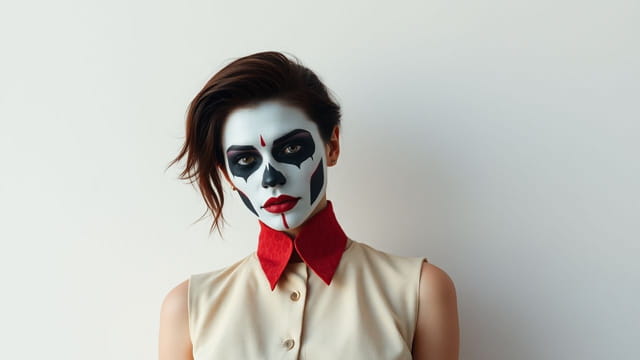
In both ancient battlefields and modern beauty routines, the phrase ‘dressed to kill’ has taken on powerful meaning. The concept of warpaint once used for intimidation, identity, and spiritual reasons has evolved into a form of personal expression that transcends gender and culture. Today, dressed to kill warpaint represents more than surface-level aesthetics. It’s about empowerment, attitude, and the message behind the makeup. Whether worn on a stage, runway, sports arena, or street, warpaint tells a story one that blends tradition with fierce modern flair.
The History and Symbolism of Warpaint
Warpaint has deep roots across global civilizations. Indigenous tribes in North America, Africa, and Oceania used pigments to prepare for battle, ceremonies, and rites of passage. Each design held symbolic meaning courage, victory, protection, or even mourning. The colors and shapes chosen weren’t random; they communicated emotions, roles, and tribal affiliations.
Colors and Their Cultural Meanings
- Red: Commonly associated with blood, life, and war. It symbolized strength and fearlessness.
- White: Often used for peace or mourning, depending on the region.
- Black: Used to signal power, aggression, and determination.
- Yellow: Associated with intellect, energy, and alertness.
- Blue: Represented confidence, loyalty, and intuition.
When warriors painted their faces, it was about more than decoration it was transformation. They were stepping into a persona built for defense, honor, and survival. That essence still resonates today, albeit in more symbolic ways.
Modern Interpretations of Dressed to Kill Warpaint
Today’s ‘dressed to kill’ warpaint is about attitude, creativity, and identity. Influenced by fashion, music, sports, and activism, warpaint has taken on bold, edgy, and artistic dimensions. It may appear as a dramatic eyeliner, abstract facial designs, vibrant face paints, or coordinated body art. Warpaint is now a medium to express inner strength, resilience, or rebellion.
Fashion and Entertainment
Runway shows and music videos often borrow elements of traditional warpaint to make strong visual statements. Models and performers wear graphic makeup that mimics tribal lines or camouflage. Warpaint-inspired looks amplify drama, confidence, and mystery. Pop icons, rock stars, and avant-garde designers have turned the aesthetic into an emblem of fearless individuality.
Sports and Competition
Athletes across the world use eye black, stripes, and designs on their faces not only to reduce glare but to show unity and intimidation. Warpaint becomes part of their game face, both literally and metaphorically. Teams may even adopt a warpaint motif as part of their branding to evoke strength and solidarity.
Empowerment Through Makeup
Makeup, like traditional warpaint, can be armor. It allows people to define how they want to be seen. For some, applying bold makeup is a ritual that brings confidence before a stressful event, performance, or protest. The idea of being ‘dressed to kill’ isn’t about violence it’s about showing up fully, without apology or fear.
Breaking Gender Stereotypes
Modern warpaint is not confined to women. Men and non-binary individuals are also reclaiming makeup as part of their identity. With the rise of inclusive beauty movements, face paint and expressive cosmetics have become tools for anyone to channel inner strength, make political statements, or simply have fun with self-presentation.
Warpaint as a Daily Ritual
Some people approach their daily makeup as modern warpaint. It’s not always about looking polished it can be about marking a mental shift. A streak of red lipstick, a dramatic winged liner, or geometric face lines might symbolize readiness, energy, or purpose. This daily routine turns ordinary grooming into something meaningful.
Warpaint in Pop Culture
Many movies, TV shows, video games, and comics feature characters who wear symbolic makeup. These designs are often inspired by historic or fantasy warpaint and are used to emphasize power, rebellion, or mystique.
Examples in Pop Media
- Action heroines: Characters like Furiosa in ‘Mad Max’ wear grease and smudges that resemble warrior paint.
- Fantasy leaders: Characters in series like ‘Game of Thrones’ or ‘The Witcher’ adopt paint for intimidation or tradition.
- Comic book icons: From superheroes to villains, many wear face designs that echo traditional warpaint, giving them a larger-than-life presence.
These visual elements help build character depth and instantly communicate power or defiance.
D.I.Y. Warpaint Aesthetics
Creating your own warpaint-inspired look doesn’t require professional skills or expensive products. With some imagination and a few cosmetics, you can experiment with dramatic styles that reflect your personality or mood. This is popular during festivals, performances, or even just for fun social media content.
Simple Elements to Try
- Bold lines: Draw across the cheekbones or eyes using liquid eyeliner or face paint pens.
- Geometric shapes: Squares, triangles, or symmetrical designs add structure and edge.
- Color blocks: Use contrasting or tribal colors to highlight key areas of your face.
- Glitter and metallics: Add sparkle or metallic tones to create futuristic warpaint styles.
Every element you choose can carry meaning just as traditional warriors used symbols to reflect emotion or intention.
Social and Political Statements
Warpaint is also used in activism. Painted faces at protests and rallies often mirror historical resistance. Protesters might use face paint to signal solidarity, resistance, or unity. It becomes both a shield and a message, showing that the fight is not only physical but symbolic and spiritual.
Examples of Activist Use
- Climate activists painting green and blue swirls to symbolize the Earth
- Social justice movements using black stripes or red palms to mark silence and remembrance
- Feminist marches where red paint symbolizes both strength and sacrifice
In these settings, warpaint serves to unify individuals around a shared cause while attracting visual attention to the movement.
Psychological Impact of Warpaint
Wearing warpaint whether minimal or elaborate can trigger psychological transformation. It’s not just about looking different, but feeling different. The application itself can be a meditative or energizing process. Studies in sports and performance psychology suggest that adopting rituals or costume elements boosts confidence and mental focus.
Why It Works
- Signals a change in role or state of mind
- Strengthens sense of purpose or identity
- Increases visual presence and personal power
Just as ancient warriors readied themselves for battle, modern individuals use warpaint to prepare for challenges, confrontations, or opportunities that require boldness.
Dressed to kill warpaint is more than a trend it’s a statement. Rooted in ancient tradition and transformed through centuries of art, fashion, and identity, it remains a powerful symbol of strength, expression, and intention. Whether used in competitive sports, fashion runways, personal empowerment, or social movements, warpaint continues to evolve while maintaining its essence. It’s a reminder that how we present ourselves to the world can be both an act of beauty and a form of battle, signaling that we are ready to stand tall and make an impact.