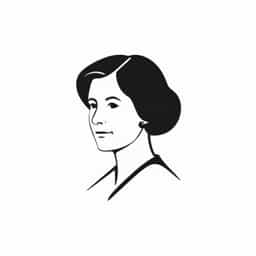
Clara Barton remains one of the most recognized figures in American history, remembered for her compassion, determination, and remarkable service during times of conflict and disaster. Her name is synonymous with the founding of the American Red Cross, but her contributions span far beyond one organization. From her work on Civil War battlefields to her efforts in advancing humanitarian aid, Barton left a profound legacy. Exploring facts about Clara Barton reveals not only a pioneering nurse but also a strong advocate for human rights and public service.
Early Life and Education
Childhood in Massachusetts
Clara Barton was born on December 25, 1821, in North Oxford, Massachusetts. As the youngest of five children, she was raised in a family that valued education, patriotism, and independence. Her early experiences caring for her sick brother, David, gave her a foundation in nursing that would later guide her path during the Civil War.
Shy but Intelligent Student
Although shy and sensitive as a child, Barton was intellectually gifted. She attended local schools and eventually became a teacher. At a time when few women worked in education, her decision to pursue teaching displayed her ambition and confidence. She received her first teaching certificate at just 17 years old.
Career in Teaching and Government Work
Advocate for Equal Education
Clara Barton taught in several schools across Massachusetts and New Jersey. She was committed to providing education to all, including children who were underserved. In New Jersey, she opened one of the first free public schools, which quickly grew in attendance under her leadership. Despite her success, she was replaced by a male principal with higher pay, which revealed the gender inequality she would continually confront.
Pioneering Role at the Patent Office
In 1854, Barton moved to Washington, D.C., where she became one of the first women to work for the federal government. She secured a job as a recording clerk at the U.S. Patent Office, earning equal pay to her male colleagues a rare achievement at the time. However, due to political changes and opposition to women in government, her position was reduced. Still, this experience marked the beginning of her deep involvement in public service.
Contributions During the American Civil War
Bringing Supplies to the Front Lines
When the Civil War broke out in 1861, Barton recognized the urgent need for medical supplies and aid. She independently organized relief efforts, collecting and distributing bandages, food, and clothing to Union soldiers. Her ability to mobilize resources and manage logistics made her a trusted figure among soldiers and doctors alike.
The Angel of the Battlefield
Barton gained national recognition for her presence on Civil War battlefields, including Antietam, Fredericksburg, and Petersburg. She provided direct care to the wounded, often under fire, earning the nickname Angel of the Battlefield. Unlike many women who worked in hospitals far from combat zones, Barton insisted on going where the fighting was most intense.
Post-War Work and Humanitarian Efforts
Efforts to Identify Missing Soldiers
After the Civil War, Barton established the Office of Missing Soldiers, through which she received over 63,000 inquiries and helped identify the fate of more than 22,000 men. This initiative provided closure for grieving families and exemplified her commitment to service even after the fighting had ended.
International Exposure and Influence
In the early 1870s, Barton traveled to Europe for rest, where she learned about the International Red Cross during the Franco-Prussian War. Inspired by its mission, she volunteered to help distribute aid to civilians and soldiers. This experience profoundly shaped her future advocacy back in the United States.
Founding of the American Red Cross
Bringing the Red Cross to America
Upon returning to the U.S., Clara Barton campaigned for the creation of a similar organization to provide relief during both war and natural disasters. After years of lobbying, she succeeded in establishing the American Red Cross in 1881 and became its first president. Under her leadership, the Red Cross responded to floods, earthquakes, hurricanes, and other national emergencies.
Expanding the Mission Beyond War
Barton was instrumental in broadening the scope of the Red Cross to include peacetime disaster relief, a departure from the organization’s original war-focused mission. Her vision laid the groundwork for the Red Cross’s ongoing humanitarian work in all types of crises, from natural disasters to epidemics.
Challenges and Criticism
Controversy Within the Red Cross
As the Red Cross grew, Barton faced criticism for her management style, which some described as autocratic. Internal conflicts and questions about finances led to her resignation in 1904. However, her dedication and pioneering leadership had already solidified the Red Cross as a vital institution in American society.
Commitment to Women’s Rights
Clara Barton was also an early supporter of women’s suffrage and equal rights. She believed that women should be allowed to contribute fully to society, not just in nursing or education, but in leadership roles. Her advocacy was part of a broader movement that pushed for gender equality in the 19th and early 20th centuries.
Legacy and Recognition
Remembered as a National Hero
Clara Barton died in 1912 at the age of 90. Her legacy endures through the American Red Cross and the numerous lives she touched through her humanitarian work. She is honored in textbooks, monuments, and memorials across the United States, symbolizing compassion, courage, and service.
Key Facts About Clara Barton’s Life
- Born December 25, 1821, in Massachusetts
- Worked as a teacher and opened free public schools
- First woman to work at the U.S. Patent Office with equal pay
- Provided battlefield nursing during the Civil War
- Founded the American Red Cross in 1881
- Supported women’s suffrage and social reform
- Died in 1912 at age 90
Understanding the life and achievements of Clara Barton offers a powerful example of how determination and empathy can change the world. Her fearless actions on the battlefield, groundbreaking work in humanitarian aid, and unrelenting push for equality made her a force of nature in a time when women were often confined to the background. Today, facts about Clara Barton continue to inspire generations committed to service, justice, and compassion. Her influence is still felt wherever aid and relief are delivered in times of crisis.