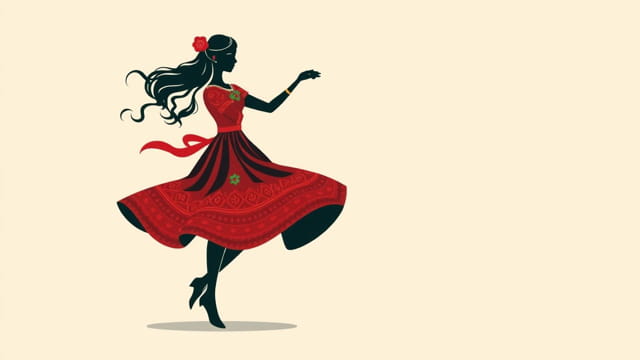
In the eerie corners of internet folklore, one name has captured the curiosity of many: the Serbian Dancing Lady. Videos of a woman dancing strangely in deserted streets at night have gone viral across social media, sparking a mix of intrigue, fear, and speculation. Whether she is a ghost, a mentally ill individual, or part of an elaborate urban legend, the mystery surrounding the Serbian Dancing Lady continues to grow. This peculiar figure has become symbolic of modern digital folklore, where a simple recording can spawn a thousand theories and fuel international fascination. The key elements of the legend her eerie movements, unsettling appearance, and supposed connection to violence are what keep people intrigued, generation after generation.
Origins of the Serbian Dancing Lady
The First Sightings
Reports of the Serbian Dancing Lady date back to the early 2000s, but it wasn’t until much later, around 2019 and beyond, that the myth gained viral traction online. Videos began surfacing showing a woman in traditional-looking attire dancing alone in the streets of Serbian towns in the middle of the night. The footage, usually grainy and filmed from a distance, adds to the unsettling vibe. Witnesses often report the woman moving erratically, as if performing a ritual or reacting to unseen music.
Social Media Amplification
With the rise of TikTok, YouTube, and Reddit forums, the legend of the Serbian Dancing Lady found a new audience. Clips labeled with hashtags like #SerbianDancingLady or #CreepyVideos started circulating widely. Users shared their own theories and experiences, some even claiming to have seen her or encountered similar figures in other regions. As with many internet legends, the mix of visual content and user commentary created a self-sustaining myth.
Theories and Explanations
Urban Legend and Folklore
One of the most accepted views is that the Serbian Dancing Lady is a modern urban legend rooted in Slavic folklore. Serbia, like many Eastern European countries, has a rich tradition of supernatural tales involving spirits, forest creatures, and ghostly women. The dancing lady could be a contemporary incarnation of these older stories, a digital age ghost that lives on through smartphones instead of campfires.
Performance Art or Hoax
Another theory suggests that the Serbian Dancing Lady is part of a performance art or elaborate hoax. Some observers point out that the woman’s movements are too calculated to be spontaneous and suggest she may be intentionally trying to provoke a reaction. This idea is supported by the fact that most recordings happen in similar locations, suggesting a planned spectacle designed to confuse or entertain.
Mental Health Considerations
Some believe that the Serbian Dancing Lady may be a real individual experiencing mental illness. Her solitary night dances, disheveled appearance, and detachment from her surroundings are often cited as possible signs of a psychological disorder. While this explanation may lack the mystique of paranormal theories, it offers a grounded, human perspective that shouldn’t be ignored.
The Cultural Impact
Fear and Fascination
Much of the Serbian Dancing Lady’s popularity stems from the eerie feelings she evokes. Her unusual behavior in otherwise quiet, dark streets triggers a primal discomfort in viewers. This fear of the unknown is a key element in urban legends, which thrive on ambiguity and minimal information. Her image taps into ancient fears of wandering spirits or possessed figures.
Symbolism and Interpretation
In a symbolic sense, the Serbian Dancing Lady can be seen as a metaphor. She might represent suppressed trauma, lost traditions, or societal neglect. Her presence on empty streets hints at loneliness, while her dance may suggest a desperate attempt to reclaim agency or express sorrow. These interpretations have helped deepen the legend’s appeal, especially among viewers who look for meaning beyond surface-level scares.
Media and Entertainment
Given her growing notoriety, the Serbian Dancing Lady has made her way into popular culture. She has inspired short films, horror stories, TikTok challenges, and even artwork. In this way, she joins the ranks of other viral urban legends like Slender Man or the Momo Challenge. These figures evolve through constant online reinterpretation, morphing with each new meme or user-created content.
Real Incidents and Police Reports
Alleged Threats and Encounters
Some versions of the legend claim that the Serbian Dancing Lady is dangerous. In one popular story, a man approached her out of curiosity and was reportedly stabbed. However, there is little confirmed evidence to back this claim. Local authorities in Serbia have occasionally responded to public fear, with some suggesting it’s all just a prank or viral stunt.
Lack of Concrete Evidence
Despite dozens of viral videos, there remains no solid proof of the lady’s identity or intent. Most videos are low quality, filmed at night, and lack follow-up. This lack of verification only adds to the mystery. Even when police reports are mentioned online, they rarely lead to confirmed cases or suspects, fueling speculation instead of resolution.
The Role of the Internet in Modern Mythmaking
How Legends Spread Today
The story of the Serbian Dancing Lady illustrates how urban legends spread in the digital age. Unlike traditional folklore that traveled through oral storytelling, today’s myths go viral through social sharing. A single clip posted on TikTok can be seen by millions within hours. Algorithms, likes, and comments create momentum that transforms a moment into a movement.
User Interaction and Participation
Online users are not just passive consumers they actively shape the narrative. People add new details, create fan art, or post their own encounters to build the myth. This crowdsourced storytelling gives the legend a life of its own. Even skeptical viewers often get swept up in the excitement, debating the footage’s authenticity or proposing theories of their own.
Why We Keep Watching
The Allure of the Unexplained
Part of the Serbian Dancing Lady’s enduring appeal is that she remains unexplained. In a world increasingly dominated by logic, data, and explanation, some mysteries are welcome. They offer a momentary escape into the unknown. The lady’s silent movements under dim streetlights become an unsettling reminder that some questions remain unanswered and perhaps they should.
Modern Folklore in a Digital World
The dancing woman on a dark Serbian street may or may not be real, but her story is. She embodies the power of modern folklore to cross borders, languages, and cultures. Whether she is a symbol of forgotten ghosts or a product of internet pranksters, her legacy continues to dance across screens and imaginations alike.
The Serbian Dancing Lady represents a fascinating collision of myth, media, and modern fear. Through viral videos, social speculation, and eerie aesthetics, she has become one of the most iconic figures in recent internet folklore. Though her true identity remains unknown, her story lives on in retellings, debates, and digital legends. As long as there are quiet streets, camera phones, and curious minds, the Serbian Dancing Lady will keep dancing both in the shadows and in our collective imagination.
“`