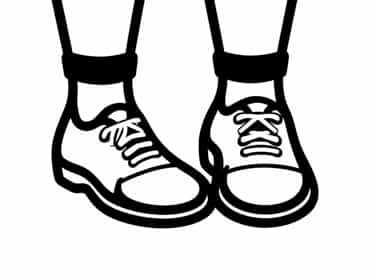
Mammy Two Shoes is one of the most recognizable characters in early American animation, particularly known from the classic ‘Tom and Jerry’ cartoon series produced by Metro-Goldwyn-Mayer (MGM) during the 1940s and 1950s. Despite rarely showing her full face, the character left a strong impression on audiences. She played a significant role not only in the comic dynamic between the cat and mouse but also as a cultural artifact reflecting the social norms and racial perceptions of her time. The original Mammy Two Shoes stands as a controversial yet historically important figure in the world of animated entertainment, and understanding her origin helps shed light on the evolution of animated storytelling and character design in American media.
Character Overview
Basic Role in the Series
Mammy Two Shoes served as the housemaid or caretaker of the household where Tom and Jerry frequently battled. Her character was voiced with a stereotypical African American Southern accent, and she often scolded Tom for his behavior or involvement in chaos caused by Jerry. While her face was rarely shown, her presence was unmistakable due to her voice, mannerisms, and the iconic image of her wearing house slippers and a maid’s uniform.
Throughout dozens of episodes, Mammy Two Shoes was portrayed as a central authority figure in the house, adding an extra layer of humor and tension to the show. She was often the voice of reason and discipline in the chaos between the mischievous duo.
Creation and Voice Acting
Character Design and Visual Identity
Mammy Two Shoes was designed to fit the aesthetic of slapstick animation popular in the early 20th century. Animators used limited visual cues to represent her primarily her legs, apron, and shoes. This framing technique kept the focus on Tom and Jerry while still establishing her authoritative presence. The decision to limit her visual depiction also allowed animators to emphasize exaggerated reactions and body language.
Her clothing style and domestic role were clear indicators of her social status and racial identity in the context of mid-20th-century America. Though not named within the cartoons, she became known by fans and studio insiders as Mammy Two Shoes, a name referencing both her footwear and her stereotyped depiction.
Voice Actress Lillian Randolph
The original voice of Mammy Two Shoes was provided by African American actress Lillian Randolph, a talented performer who also appeared in radio, film, and other television projects. Randolph brought warmth, humor, and expression to the role, giving the character a strong personality despite limited screen time.
Her work on Tom and Jerry became one of the most recognized examples of early African American voice acting in animation. While Randolph’s performance was praised, the character itself drew criticism for its racial caricature, especially in later decades.
Historical and Social Context
Depiction of African American Characters in Animation
Mammy Two Shoes was part of a broader trend in early American animation that often relied on racial stereotypes for comedic effect. Characters based on exaggerated traits and dialects were common in the 1930s and 1940s. This was reflective of the era’s prevailing attitudes and the entertainment industry’s insensitivity toward race.
Mammy Two Shoes embodied the ‘mammy’ archetype a stereotype of a Black domestic worker who is loyal, nurturing, and subservient. This archetype was deeply rooted in American history, stemming from the plantation era and persisting through the Jim Crow period.
Cultural Criticism and Reevaluation
By the 1960s and especially during the civil rights movement, media critics and audiences began to reevaluate how characters like Mammy Two Shoes contributed to racial bias and negative portrayals of African Americans. The character became a point of discussion for scholars analyzing racism in media and the lasting impact of such stereotypes.
As public sensitivity to racial issues grew, the character was seen as outdated and offensive by many. This prompted changes in how the cartoons were presented and edited in subsequent broadcasts.
Later Alterations and Censorship
Edits and Revoicing
In response to criticism, MGM and other distributors took steps to update or censor Mammy Two Shoes’ appearances in syndication. Beginning in the late 1960s and continuing into the 1990s, many of the episodes were edited to remove stereotypical elements.
The character was redubbed with a less exaggerated voice, often replacing Randolph’s performance with a more neutral or even Caucasian-sounding voice. In some cases, entire scenes involving Mammy Two Shoes were removed or animated over to avoid controversy.
Replacement with White Characters
In the 1980s and 1990s, new versions of the cartoons were created where Mammy Two Shoes was replaced by a white woman, sometimes referred to as Mrs. Two Shoes. These versions altered the appearance and voice to fit modern sensitivities, but they also sparked debate over erasure versus recontextualization.
Some viewers argued that removing Mammy Two Shoes ignored an opportunity to acknowledge and learn from history. Others felt it was a necessary step in distancing children’s entertainment from racist tropes.
Legacy and Impact
Role in Animation History
Despite the controversy, Mammy Two Shoes remains a significant character in the history of American animation. She represents both the technical innovation and the social limitations of her time. The debate surrounding her portrayal illustrates how media can both reflect and shape societal values.
Mammy Two Shoes also paved the way for discussions about representation in animated media and led to more thoughtful portrayals of characters from diverse backgrounds in future generations.
Recognition of Lillian Randolph
In recent years, there has been renewed interest in recognizing Lillian Randolph’s contribution to entertainment. Her ability to bring depth and charm to a role limited by racial constraints highlights the talent and resilience of early Black performers in Hollywood.
Randolph’s legacy has inspired ongoing conversations about equity, voice acting, and the role of minority artists in shaping American pop culture.
The original Mammy Two Shoes is a complex character who reflects both the creative spirit and the racial biases of early American animation. While her portrayal has sparked valid criticism and led to major changes in how she is presented, her presence in the ‘Tom and Jerry’ series remains historically important. Through her, we see how animation has evolved not just in technique, but in its approach to representation, diversity, and social responsibility. Understanding Mammy Two Shoes in her original form allows us to confront the uncomfortable parts of media history while appreciating the progress made since then. Her story is not only about a character in a cartoon, but also about the broader journey toward fairness and respect in entertainment.