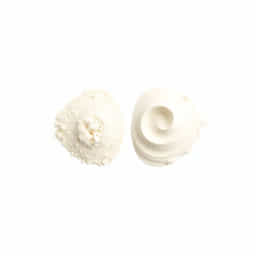
Anyone who has tried baking or cooking using German recipes has likely come across the terms griffiges Mehl and glattes Mehl. These two types of flour can be confusing for those unfamiliar with the nuances of Austrian or German flours, especially when trying to recreate traditional breads, pastries, or pasta. Understanding the difference between coarse flour and smooth flour is key to getting the right texture, structure, and consistency in your culinary creations. Whether you are a professional baker or an enthusiastic home cook, choosing between griffig or glattes Mehl can significantly affect the outcome of your dish.
What Does Griffig and Glatt Mean?
In German, griffig roughly translates to grippy or coarse, while glatt means smooth. When these terms are used to describe flour, they refer to the fineness of the grain ptopics after milling. The texture impacts how the flour behaves when mixed with liquids and how it performs in different recipes.
Griffiges Mehl (Coarse Flour)
Griffiges Mehl is a medium-grain flour that feels slightly gritty to the touch. It absorbs moisture more slowly, which makes it ideal for recipes that require the dough to hold its shape or when you want a tender texture without sogginess. It is particularly useful for:
- Pasta dough
- Dumplings (Knödel)
- Spätzle
- Some types of cake batters
This flour is also called Doppelgriffiges Mehl when it has an even coarser grind. You may also see it labeled as Instant Flour in some international stores, though it’s not the same as pre-cooked instant flour used in some American products.
Glattes Mehl (Smooth Flour)
Glattes Mehl is very finely milled and has a soft, powdery texture. It absorbs water quickly and is generally used in recipes where a soft, delicate crumb is desired. It’s the closest to standard all-purpose flour or plain flour in English-speaking countries. Typical uses include:
- Pastries
- Cakes
- Cookies
- White bread
This flour blends smoothly with other ingredients and creates uniform doughs and batters. It’s often the preferred choice for sponge cakes and fine baking due to its silky consistency.
Differences in Absorption and Texture
One of the most important differences between griffig and glatt flour is how quickly they absorb liquid. Griffiges Mehl, being coarser, takes longer to combine with water or milk. This makes it excellent for dishes where slow hydration is beneficial. Glattes Mehl, on the other hand, quickly forms a homogenous dough or batter, which is ideal for delicate and smooth baked goods.
The texture of the finished product also varies depending on which flour you choose. With griffig flour, you get more bite or structure. With glatt flour, the final result tends to be finer, softer, and more uniform.
Understanding Flour Typing in German-Speaking Countries
In Germany and Austria, flour is often labeled by type numbers that reflect the ash content (residual mineral content after burning the flour). For example:
- Type 405: Commonly used glatt flour, ideal for pastries and cakes
- Type 550: All-purpose flour, slightly stronger, good for bread and rolls
- Type 700: A typical griffig flour found in Austria
These numbers help determine the best use of the flour, but the grinding level (griffig vs glatt) is equally important for certain textures and methods. Sometimes you’ll see a combination, like Weizenmehl Type 480 glatt, which means a smooth wheat flour type 480.
When to Use Griffig vs Glatt Flour
Choosing between griffiges and glattes Mehl depends on the desired outcome of your recipe. Here are some practical guidelines for when to use each type:
Use Griffiges Mehl When:
- Making pasta or noodles
- Preparing traditional dumplings
- You want to prevent over-absorption of liquid
- You need dough that rests and hydrates slowly
Use Glattes Mehl When:
- Baking cakes or cookies
- Preparing muffins or pancakes
- You want smooth and consistent doughs
- You are aiming for a soft and fine crumb
Can You Substitute One for the Other?
In some cases, yes, but the substitution isn’t always perfect. If a recipe calls specifically for griffig flour, using glatt flour may result in dough that’s too wet or sticky, which can affect structure and handling. Conversely, using griffig flour instead of glatt might make your dough drier and your cake less tender.
If substituting is necessary, consider adjusting the liquid content slightly. You may need to reduce the amount of liquid when using glatt flour or allow extra resting time when using griffig flour to ensure proper hydration.
Mixing Flours for Better Results
Many bakers and chefs combine different textures of flour to create specific results. Mixing griffig and glatt flour can yield doughs that are both stable and tender. For instance, a 50/50 blend works well for strudels or enriched breads where both elasticity and softness are desired.
You can also blend griffiges Mehl with semolina flour (GrieÃ) for homemade pasta, enhancing bite and durability, while still maintaining enough tenderness for a pleasant mouthfeel.
Storing Griffig and Glatt Flour
Both types of flour should be stored in airtight containers in a cool, dry place. Since the texture and moisture content of these flours differ, ensure the container is sealed properly to prevent clumping or contamination.
Flour typically has a shelf life of 6 to 12 months depending on storage conditions. Always check for any off smell or discoloration before use.
International Equivalents
If you’re outside of German-speaking regions and trying to replicate recipes that call for griffig or glattes Mehl, you might have to make the closest substitution:
- Glattes Mehl: Use cake flour or all-purpose flour
- Griffiges Mehl: Use semolina, coarse flour, or blend all-purpose flour with a bit of semolina
Keep in mind, though, that milling methods and wheat types can vary by country, so results may not be identical. It’s always best to experiment in small batches before committing to a full recipe.
Understanding the difference between griffiges and glattes Mehl is an essential step toward mastering European baking and cooking techniques. These distinctions go beyond simple labels they affect how your doughs hydrate, how your pastries rise, and how your textures turn out. Whether you’re making a light sponge cake, hearty dumplings, or homemade noodles, the type of flour you use matters. With a bit of knowledge and experimentation, you can select the right flour for any dish and achieve authentic, delicious results every time.