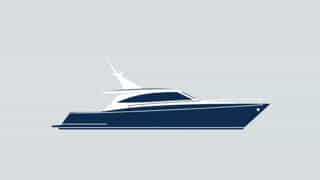
Ted Heath, a prominent British political figure who served as Prime Minister of the United Kingdom from 1970 to 1974, was known not only for his statesmanship but also for his passionate love of sailing. Among his many pursuits, one stands out as a defining feature of his personal life his prized sailing yacht namedMorning Cloud. This vessel and its successors were not merely recreational boats but symbols of his competitive spirit and dedication to the sport. Sailing played a vital role in Heath’s public image and offered insight into his character beyond politics.
Introduction to Ted Heath’s Passion for Sailing
An Unlikely Yachtsman
Born in Broadstairs, Kent, Edward Heath was not from a privileged background, nor did he grow up with access to sailing. His fascination with the sea developed over time and grew into a deep commitment. Despite a demanding political career, he found time to pursue sailing with great enthusiasm, ultimately becoming one of the few British prime ministers to engage in international yacht racing at a competitive level.
Rise to Prominence on the Water
Heath’s sailing prowess earned him widespread respect, even from those who did not share his political views. His achievements at sea showcased discipline, leadership, and strategy qualities he also carried into political office. The boat that accompanied him through many of these achievements bore the name that would become forever linked with him: Morning Cloud.
The Origin of the Name ‘Morning Cloud’
Symbolism and Sentiment
Heath named his first boatMorning Cloudas a poetic and serene reference to nature. The phrase evokes imagery of the early day, calm skies, and light mist, symbolizing both renewal and contemplation. The name reflected Heath’s deep emotional connection to the sea and his belief that sailing provided clarity and escape from political turbulence.
Successive Yachts Sharing the Same Name
Over the years, Heath owned a total of five boats with the nameMorning Cloud. Each vessel was more advanced and larger than the previous one, designed for high-stakes ocean racing. The consistency in naming reflected his loyalty to the identity he had built around this passion.
Details of the Morning Cloud Yachts
Morning Cloud I (1969)
The firstMorning Cloudwas a 34-foot yacht purchased in 1969. Built by Camper and Nicholsons, this boat marked Heath’s formal entry into competitive sailing. He used it in several regattas, building his reputation as a serious yachtsman.
Morning Cloud II (1971)
This 42-foot Sparkman & Stephens design was a significant upgrade. With this yacht, Heath achieved one of his greatest victories winning the Admiral’s Cup in 1971 as part of the British team. This success helped solidify his image as a statesman-athlete.
Morning Cloud III (1973)
The third iteration, also a Sparkman & Stephens design, was slightly larger and faster. Unfortunately, it met a tragic end when it sank during a storm off the coast of Guernsey, resulting in the deaths of two crew members. Heath was not aboard at the time, but the incident deeply affected him.
Morning Cloud IV (1975)
Despite the tragedy, Heath continued his sailing endeavors. The fourthMorning Cloudwas a 44-foot yacht built with enhanced safety features. He used this boat in many international competitions, demonstrating resilience and commitment to the sport.
Morning Cloud V (1977)
The final yacht in the series was the most sophisticated. It featured advanced technology and design to compete in top-level ocean races. Though Heath eventually stepped back from competitive sailing, he continued to use this vessel for leisure and diplomacy well into his later years.
Impact of Morning Cloud on Heath’s Public Persona
Blending Politics and Sportsmanship
Heath’s sailing accomplishments humanized his public image. In a political environment often filled with formality and division, his athletic endeavors presented him as disciplined, energetic, and relatable. The nameMorning Cloudbecame shorthand for his life outside of Parliament.
Symbol of Leadership and Strategy
Commanding a yacht requires teamwork, quick decision-making, and composure under pressure all traits that Heath applied both at sea and in political negotiations.Morning Cloudwas more than a boat; it was a floating metaphor for leadership.
Representation of Post-War British Identity
In post-war Britain, public figures engaging in sports helped promote unity and national pride. Heath’s dedication to yacht racing showed that leadership was not confined to the chambers of Westminster. His victories contributed to a broader sense of British achievement on the international stage.
Legacy of Morning Cloud
Preservation and Memory
Several of theMorning Cloudyachts, especially the second and fifth, have been preserved or documented in sailing history. They are reminders of a time when a British Prime Minister could be found not just in cabinet meetings but also trimming sails in open waters.
Influence on Maritime Enthusiasts
Heath’s success inspired a generation of amateur sailors and brought attention to the sport in Britain. His dual identity as both a political leader and yachtsman set a unique precedent and opened doors for public figures to engage more openly in personal passions.
Recognition in Later Life
In recognition of his contributions to sailing, Heath was honored by various sailing organizations. Even after stepping down from politics, he continued to attend regattas and offer mentorship to younger sailors. His legacy was not confined to legislation but lived on in wind and water.
The name of Ted Heath’s boatMorning Cloudrepresents far more than a vessel that cut through waves. It symbolizes a man who sought balance between duty and desire, between governance and personal fulfillment. Across five iterations of yachts bearing the same name, Heath competed, mourned, triumphed, and grew.Morning Cloudis etched into the story of a prime minister who charted his course both in politics and on the sea. His legacy is not only found in speeches and policies but also in the enduring memory of a boat that carried a leader into history.