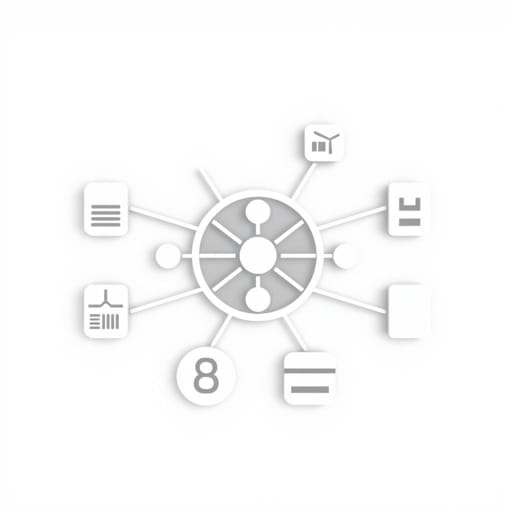
In modern business and supply chain management, the way materials and products are sourced, stored, and distributed significantly affects operational efficiency and cost control. A centralized supply structure is designed to streamline these processes by consolidating procurement, storage, and distribution into a single hub. This model is especially effective in large organizations with multiple departments or branches, offering consistency, cost savings, and improved control over resources. Understanding how a centralized supply system functions and the reasons behind its design can help businesses optimize their operations and enhance long-term performance.
Definition and Purpose of a Centralized Supply Structure
A centralized supply structure refers to a system where all purchasing, inventory management, and distribution functions are managed from a single, central location. Instead of allowing individual departments or branches to order supplies independently, the centralized model ensures that decisions and operations flow through a unified supply chain team or department.
Main Objectives of Centralization
- Improve efficiency by reducing duplication of efforts
- Achieve economies of scale through bulk purchasing
- Maintain consistency in product quality and vendor relationships
- Ensure better compliance with regulations and company policies
- Enhance data accuracy and inventory visibility
Key Functions of a Centralized Supply System
A centralized supply structure is designed to handle several important supply chain activities from one location. This not only creates uniformity across the organization but also provides more robust controls over spending and resource allocation.
Procurement
The centralized team is responsible for purchasing all necessary materials, supplies, or products. By managing all procurement from a central point, the organization can negotiate better contracts with suppliers, monitor vendor performance more effectively, and prevent unnecessary or duplicate purchases.
Inventory Management
Stock levels are monitored and controlled from the central facility. This enables better forecasting and minimizes the risk of overstocking or running out of essential supplies. A centralized inventory allows for a more efficient response to changes in demand.
Distribution
After procurement and storage, the centralized supply unit distributes items to different departments, locations, or retail branches as needed. This ensures that products are allocated based on actual demand and usage patterns, reducing waste and improving turnaround time.
Advantages of a Centralized Supply Structure
Many companies choose to implement a centralized supply model because of its clear operational and financial benefits. It supports long-term strategic goals and offers a scalable approach to growth.
Cost Efficiency
By consolidating purchases, companies can secure volume discounts, lower shipping costs, and reduce administrative expenses. The cost benefits become more evident as the organization scales.
Improved Control and Oversight
A centralized structure makes it easier to monitor purchases, enforce budgeting policies, and maintain standardized processes. Auditing becomes more straightforward due to centralized records and consistent documentation.
Standardization of Processes
All supply chain operations follow the same set of guidelines, leading to uniformity in quality and performance. This is crucial for industries that must comply with strict regulatory standards, such as healthcare or food services.
Better Supplier Relationships
Dealing with suppliers through a single point of contact can build stronger, more reliable partnerships. Centralized negotiations often result in long-term agreements that benefit both the buyer and the supplier.
Enhanced Data and Reporting
Centralized systems make it easier to gather, analyze, and act upon data related to purchasing, usage, and inventory. These insights help in strategic decision-making and continuous improvement.
Challenges in Centralized Supply Systems
While a centralized supply structure offers many benefits, it is not without its challenges. Organizations must plan carefully to implement and maintain an efficient system.
Risk of Bottlenecks
If the central supply hub experiences delays or disruptions, it can affect the entire organization. Dependence on a single location may increase vulnerability to supply chain interruptions.
Slower Response to Local Needs
Local branches or departments may find the centralized process slower when they have urgent or unique supply requirements. Customization is often limited in centralized systems.
Higher Initial Setup Costs
Establishing a central warehouse, hiring specialized staff, and integrating centralized software systems can be costly. However, these investments often pay off in the long run through operational savings.
Resistance to Change
Departments that are used to handling their own purchases might resist switching to a centralized model. Change management strategies are essential to ensure smooth adoption across all levels of the organization.
Technology in Centralized Supply Structures
Modern centralized supply systems heavily rely on digital tools and software to operate efficiently. Technology supports real-time data tracking, inventory automation, and streamlined communication across departments.
Enterprise Resource Planning (ERP)
ERP systems integrate purchasing, inventory, and finance into a single platform. They enable centralized control and improve decision-making through data analytics and forecasting tools.
Warehouse Management Systems (WMS)
WMS solutions help optimize storage space, automate picking and packing, and monitor stock levels in real time. These systems are essential for managing centralized warehouses effectively.
Data Analytics and AI
Advanced analytics can predict demand, identify inefficiencies, and suggest improvements in the supply chain. Artificial intelligence tools are increasingly used to enhance inventory accuracy and automate routine tasks.
Industries That Benefit from Centralized Supply Systems
Although centralized supply structures are used across many sectors, some industries benefit more than others due to their scale and complexity.
Healthcare
- Ensures consistent availability of critical medical supplies
- Reduces variability in procurement and storage practices
- Improves compliance with regulatory standards
Retail
- Supports consistent product availability across stores
- Reduces overall inventory holding costs
- Improves supply chain visibility
Manufacturing
- Improves coordination of raw material supply
- Enables just-in-time production processes
- Enhances quality control of components
Best Practices for Implementing a Centralized Supply System
Organizations planning to adopt a centralized supply structure should follow best practices to ensure a successful transition and long-term efficiency.
- Conduct a detailed cost-benefit analysis before implementation
- Engage stakeholders from all departments early in the planning phase
- Choose the right software systems to support central operations
- Develop clear policies and training programs for employees
- Continuously monitor performance and adapt based on feedback
A centralized supply structure is designed to enhance efficiency, reduce costs, and improve control over purchasing and distribution processes. By consolidating operations into a single unit, organizations gain greater visibility into their supply chain and can respond more strategically to changing business needs. Though the transition to centralization may present challenges, the long-term benefits in terms of savings, quality, and control often outweigh the initial difficulties. With the right planning, technology, and leadership, a centralized supply model can serve as a cornerstone for operational excellence.
#kebawah#