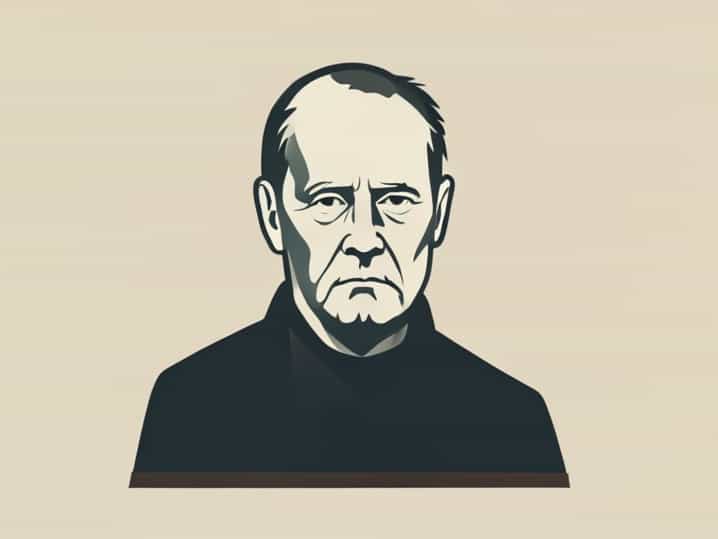
Imagining a day in the life of Alexander Solzhenitsyn means stepping into the rhythms of a man whose existence was shaped by discipline, suffering, moral conviction, and relentless intellectual work. Known around the world as a novelist, historian, and dissident, Solzhenitsyn lived much of his life under pressure, whether in Soviet labor camps, internal exile, or later as a controversial public figure. His daily life was not glamorous, but it was deeply purposeful, grounded in writing, reflection, and a strong sense of responsibility to truth.
Morning Discipline and Inner Order
A typical day for Alexander Solzhenitsyn often began early. He believed strongly in structure and self-discipline, habits shaped by his military background and later reinforced by the harsh routines of imprisonment. Mornings were quiet and focused, a time he valued for mental clarity.
He would usually begin with simple physical routines. Even in later years, Solzhenitsyn believed that physical endurance supported mental strength. Exercise was not about fitness trends but about maintaining control over the body and will.
Spiritual Reflection
Faith played a central role in Solzhenitsyn’s life. His mornings often included moments of prayer or silent reflection. This spiritual grounding gave him a framework for understanding suffering and moral responsibility. For him, faith was not abstract philosophy but a daily practice that shaped how he approached work and human relationships.
Mid-Morning Writing as a Moral Duty
Writing dominated Solzhenitsyn’s daily schedule. He did not treat it as a hobby or creative indulgence, but as a moral obligation. Mid-morning hours were usually dedicated to concentrated writing sessions, free from distraction.
He wrote longhand, carefully shaping sentences that carried both factual weight and moral urgency. Whether working on fiction likeThe Gulag Archipelagoor essays on Russian identity, his focus was intense and demanding.
Attention to Detail
Solzhenitsyn was meticulous. He revised constantly, reread passages aloud, and checked historical details repeatedly. His experience as a former prisoner made accuracy especially important. He believed that even small distortions of truth could weaken the moral force of his work.
Afternoon Study, Correspondence, and Isolation
Afternoons were often quieter but no less productive. Solzhenitsyn spent time reading history, philosophy, and Russian literature. His work was deeply informed by the past, and he believed that understanding history was essential for preventing future injustice.
He also dedicated time to correspondence. Letters from readers, fellow writers, and political figures arrived from around the world. Responding to them was time-consuming, but he saw it as part of his responsibility as a public intellectual.
Life in Relative Isolation
Despite global fame, Solzhenitsyn lived a relatively isolated daily life. He avoided social distractions and media appearances whenever possible. This isolation was partly practical, allowing him to work, but also philosophical. He believed modern society encouraged noise and superficiality.
Even during his years in exile in the West, he chose rural settings that allowed privacy and quiet reflection.
Evening Family and Conversation
Evenings were usually reserved for family. Solzhenitsyn’s wife played a crucial role in organizing manuscripts, managing correspondence, and supporting his demanding schedule. Family meals were simple but meaningful, offering a brief pause from intellectual labor.
Conversations at home often revolved around ideas, current events, and moral questions. Solzhenitsyn was known to be intense and uncompromising, even in private discussions, but these exchanges were central to his worldview.
Night Reflection and Memory
As night approached, Solzhenitsyn often returned to reflection. Memories of imprisonment, exile, and loss were never far from his thoughts. Rather than escaping these memories, he confronted them directly.
He sometimes took notes late at night, capturing thoughts that arose during reflection. For him, memory was a responsibility. Forgetting suffering, he believed, was the first step toward repeating it.
The Weight of Experience
A day in the life of Alexander Solzhenitsyn was never emotionally light. His experiences in labor camps shaped how he viewed human nature, power, and moral weakness. This weight followed him through daily routines, influencing how he wrote, spoke, and lived.
Life Shaped by the Gulag
Any account of Solzhenitsyn’s daily life must acknowledge how deeply the Gulag experience shaped him. Even decades later, habits formed in captivity remained. He wasted little time, valued small comforts, and distrusted authority.
He believed that extreme suffering revealed both the worst and best in human beings. This belief influenced not only his writing but also his daily interactions.
Public Figure, Private Routine
While the world saw Solzhenitsyn as a towering intellectual figure, his personal life was marked by routine and restraint. He avoided luxury and rarely indulged in leisure. His sense of mission left little room for casual living.
This contrast between public significance and private austerity defined much of his existence.
Key Elements of His Daily Life
-
Early rising and structured routines
-
Extended periods of focused writing
-
Spiritual reflection and prayer
-
Limited social interaction
-
Strong emphasis on moral responsibility
A day in the life of Alexander Solzhenitsyn was shaped less by external events and more by inner discipline. His routines reflected a man who believed life was a moral test, and that each day carried responsibility toward truth. Writing was not simply work; it was a form of witness.
Through disciplined mornings, intense writing sessions, quiet afternoons, and reflective evenings, Solzhenitsyn lived a life aligned with his convictions. His daily habits may seem austere, but they supported a body of work that continues to influence how the world understands power, suffering, and the courage to speak honestly.