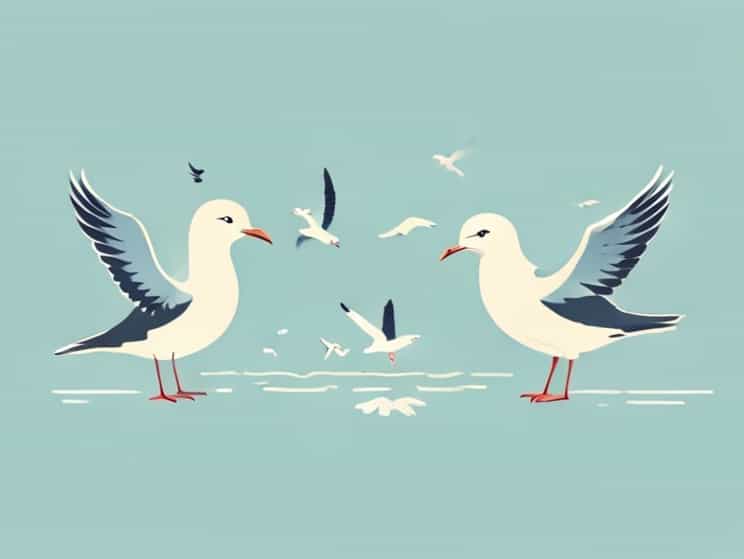
Anyone who has spent time along the coast has likely witnessed a squabble of seagulls. These noisy, determined birds gather around fishing boats, piers, or even beach picnics, loudly competing for scraps of food. The phrase itself paints a vivid picture of their chaotic yet fascinating behavior. Observing such moments not only reveals their instincts for survival but also offers insight into the dynamic social interactions among seagulls. From communication calls to territorial disputes, a squabble of seagulls is both an everyday scene and an intriguing subject of study.
What Does a Squabble of Seagulls Mean?
The term a squabble of seagulls is a collective noun used to describe a group of seagulls engaged in noisy disputes or quarrels. Unlike a flock, which simply refers to a gathering of birds, the word squabble highlights their combative and vocal behavior. Seagulls often argue over food, nesting areas, or dominance within their group, which makes the term highly descriptive and accurate.
Why Seagulls Squabble
Seagulls are opportunistic feeders, meaning they will eat almost anything. Their confrontational nature often arises when multiple birds attempt to claim the same piece of food. Squabbling can also occur when defending nesting sites or when younger birds challenge older ones for space or status. This behavior may look chaotic, but it plays a crucial role in their survival and community structure.
Behavioral Characteristics of Seagulls
Seagulls are intelligent birds with complex social behaviors. A squabble of seagulls is not just random noise; it is a form of communication and negotiation. They use loud calls, physical gestures, and even aerial displays to assert dominance and warn off competitors.
- VocalizationLoud, repetitive squawking is the most common feature of a squabble, serving as both warning and claim.
- PosturingBirds may spread their wings, lower their heads, or peck at rivals to establish authority.
- Food defenseWhen food is present, squabbling intensifies, with gulls fiercely guarding their catch.
Where You Can See a Squabble of Seagulls
These disputes are most common in places where food is abundant. Tourists often encounter them at beaches, harbors, and fishing villages. The interaction between seagulls and humans has made squabbles even more frequent, since discarded food attracts large numbers of birds in one location.
Coastal Towns
In seaside towns, a squabble of seagulls is almost a daily occurrence. They gather around fish markets or fishing boats, snatching scraps and engaging in loud disputes. Locals often view them as part of the natural soundtrack of coastal life.
Urban Environments
Seagulls have adapted to cities, scavenging in parks, dumpsters, and fast-food areas. Here, squabbles break out just as often, showing how well these birds thrive outside traditional coastal habitats.
The Role of Squabbling in Seagull Communities
Although it might appear as simple fighting, a squabble of seagulls has deeper meaning in their social structure. These disputes establish dominance hierarchies, strengthen survival instincts, and ensure the strongest individuals secure resources. In nature, competition is essential, and seagulls demonstrate this vividly.
Teaching the Young
Juvenile gulls often participate in small squabbles as practice for adult life. By engaging in these disputes, they learn essential survival skills such as defending food, responding to threats, and communicating effectively with other gulls.
Maintaining Balance
Squabbling prevents one bird from monopolizing all resources. While noisy and aggressive, the behavior actually distributes food and space more evenly within the group.
Interesting Facts About Seagull Squabbles
There are many fascinating details about how and why a squabble of seagulls occurs. Here are some lesser-known facts
- Seagulls have unique calls that signal different intentions, such as alarm, aggression, or invitation to feed.
- Despite their arguments, seagulls often return to the same group members, showing strong social bonds.
- Squabbles can sometimes attract more gulls, turning a small dispute into a large, chaotic gathering.
- Some seagulls use distraction tactics, pretending to fly away before swooping back in to steal food.
The Human Perspective on a Squabble of Seagulls
From a human standpoint, seagull squabbles can be both entertaining and frustrating. Tourists may find the loud squawking amusing, while beachgoers guarding their lunches may see it as a nuisance. For fishermen and locals, squabbles are simply part of daily life, reminding them of the seagulls’ adaptability and persistence.
Seagulls in Literature and Culture
The noisy disputes of seagulls have often been used in literature, poetry, and storytelling as metaphors for human conflict. The image of a squabble of seagulls perfectly captures arguments, disagreements, or chaotic gatherings among people.
How to Describe a Squabble of Seagulls
When writing about seagulls, describing their squabbles can bring scenes to life. Writers often use vivid imagery to capture the sound, movement, and intensity of these bird interactions. Phrases like a storm of wings and cries or a noisy squabble of seagulls circling overhead create powerful visual and auditory impressions.
How to Avoid Seagull Squabbles Around Humans
While seagull squabbles are fascinating, they can become problematic when birds gather too close to humans. Preventing these situations is possible with a few precautions
- Do not feed seagulls, as it encourages aggressive squabbling near people.
- Dispose of food waste properly to reduce attraction.
- Secure picnic items and fishing bait to avoid drawing large groups of birds.
Symbolism of a Squabble of Seagulls
On a symbolic level, a squabble of seagulls represents competition, survival, and the struggle for resources. It can also symbolize persistence and adaptability, as seagulls thrive in both natural and urban environments. In human culture, it often mirrors the conflicts and disputes within communities, making it a rich metaphor for writers and thinkers.
A squabble of seagulls is more than just noisy chaos it is a reflection of survival instincts, social interaction, and adaptability in the natural world. Watching these birds quarrel over food or territory reveals their intelligence and determination, while also providing a unique connection between humans and coastal wildlife. Whether viewed as a nuisance or as an intriguing display of animal behavior, the phrase a squabble of seagulls perfectly captures the lively spirit of these birds and their constant battle for survival. By understanding their behavior, people can appreciate the balance of competition and community that exists within every squabble of seagulls.