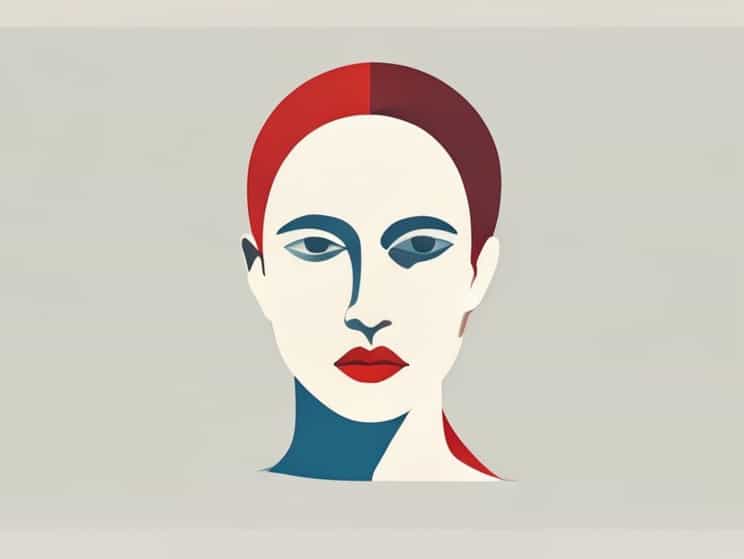
Abjection in contemporary art is a theme that often provokes strong emotions, ranging from fascination to discomfort. Many artists use abject imagery or concepts to push boundaries, challenge cultural norms, and make viewers confront aspects of life and the human condition that are often ignored or suppressed. This exploration of abjection involves engaging with the disturbing, the grotesque, and the taboo. While it may not be easy to look at, abjection in art has become a powerful tool for reflecting on identity, society, and the limits of aesthetics.
Understanding Abjection
The concept of abjection was famously discussed by philosopher and psychoanalyst Julia Kristeva. She described abjection as the reaction of horror or rejection when confronted with things that disrupt our sense of order and boundaries. Examples of abjection include bodily fluids, decay, death, and anything that blurs the line between what is considered self and other. In the context of art, abjection brings these elements into focus, asking viewers to question why they are disturbing and how society defines purity, beauty, and order.
Abjection as an Artistic Strategy
In contemporary art, abjection is not just about shock value. Instead, it serves as a deliberate strategy to critique dominant cultural systems. By presenting objects, materials, or images that evoke disgust or discomfort, artists highlight the hidden aspects of existence. This strategy disrupts conventional expectations of art as something that should only be beautiful or pleasing. Instead, abjection in art suggests that the ugly, the rejected, and the grotesque have an important role in shaping human experience and culture.
Historical Roots of Abjection in Art
Although the term abjection is often associated with contemporary theory, the idea of confronting disturbing or grotesque imagery has been present in art for centuries. Medieval depictions of hell, Baroque paintings of martyrdom, and Romantic fascination with the sublime all contain elements of abjection. However, contemporary art takes these themes further by embracing materials and practices that were once considered entirely unacceptable in the art world, such as bodily fluids, trash, or depictions of taboo subjects.
Abjection in the 20th Century
The rise of modern and postmodern art brought abjection to the forefront in new ways. In the 1960s and 1970s, artists began using performance, body art, and unconventional materials to explore abjection. For example, artists smeared substances onto their bodies, presented decaying organic matter, or engaged in performances that tested the audience’s tolerance. These practices rejected traditional boundaries of fine art and instead invited confrontation with themes of mortality, physicality, and vulnerability.
Materials of Abjection
Contemporary artists often use materials associated with decay, waste, or the body to evoke abjection. Some common choices include
- Bodily fluids such as blood, urine, or sweat.
- Organic matter, including food that is rotting or decomposing.
- Discarded or abject objects, such as trash, dirt, or used clothing.
- Imagery of wounds, death, or transformation.
These materials highlight the fragility of the human body and the inevitability of decay, reminding viewers of aspects of life they may prefer to ignore.
Identity and Abjection
One of the key functions of abjection in contemporary art is its role in exploring identity. Many artists use abjection to question gender, sexuality, race, or social roles. For example, feminist artists have used abject imagery to challenge traditional representations of the female body, showing it as raw, physical, and imperfect rather than idealized. Queer artists have embraced abjection to disrupt conventional understandings of desire and the body. In this way, abjection becomes a tool for empowerment and resistance, rather than merely a source of disgust.
Abjection and the Viewer’s Experience
The encounter with abjection in contemporary art is often intense. Viewers may feel disgusted, anxious, or unsettled when facing abject works. However, this discomfort is intentional. By forcing an emotional reaction, abject art makes viewers confront their own boundaries and assumptions. It also encourages reflection on why certain subjects or materials provoke such strong responses. The confrontation with abjection can lead to a deeper understanding of cultural values, taboos, and human vulnerability.
Famous Examples of Abjection in Art
Throughout the past few decades, many artists have become well known for their use of abjection. While each artist has a unique approach, they all challenge viewers by presenting disturbing or unconventional imagery. Some examples include
- Artists who use bodily materials to create art that emphasizes human fragility.
- Performance artists who expose the body to pain, vulnerability, or degradation.
- Installations that incorporate waste, dirt, or decay to symbolize social and cultural collapse.
These works often provoke controversy, but they remain influential in shaping discussions about art, identity, and society.
Abjection and Politics
Abjection in contemporary art often intersects with politics. By using abject imagery, artists address issues such as inequality, violence, and marginalization. For instance, works that depict the abject body can comment on the treatment of refugees, prisoners, or marginalized groups. Abjection also critiques consumer culture by exposing the waste and decay hidden behind ideals of consumption and progress. In this way, abject art is not just personal but also deeply social and political.
Criticism of Abjection in Art
Despite its influence, abjection in contemporary art is not without criticism. Some argue that abject works rely too heavily on shock value, leaving little room for deeper meaning. Others suggest that abjection can alienate audiences, making art inaccessible. However, defenders of abject art argue that discomfort and provocation are precisely the point. By refusing to comfort viewers, abjection challenges the role of art in society and expands its potential as a critical force.
Why Abjection Matters
Abjection matters in contemporary art because it expands the boundaries of what art can address. By engaging with the disturbing and the grotesque, artists invite viewers to reflect on their own anxieties about the body, mortality, and social order. Abjection also plays a role in pushing art beyond mere decoration, reminding us that art can provoke thought, challenge norms, and address difficult truths. Without abjection, much of contemporary art would lose its critical edge and its power to disrupt comfortable assumptions.
Abjection in contemporary art is both unsettling and essential. It forces us to face what we often avoid, from decay and waste to the vulnerabilities of the human body. By engaging with abjection, artists reveal the fragility of identity and culture, challenging viewers to reconsider their boundaries and values. While not easy to confront, abjection provides a powerful way of understanding art’s role in reflecting and shaping the human experience. In a world where beauty and perfection are often idealized, abjection reminds us of the realities that lie beneath the surface.