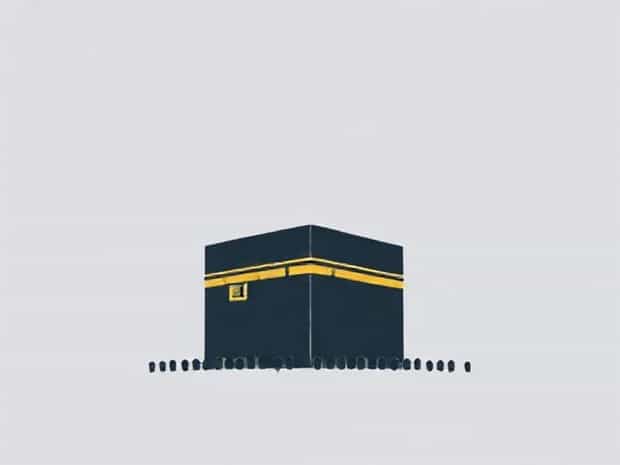
The Kaaba, located in the heart of the Masjid al-Haram in Mecca, Saudi Arabia, is one of the most sacred sites in Islam. It serves as the spiritual center for millions of Muslims around the world who face toward it during daily prayers. The Kaaba is a cube-shaped structure draped in a black silk cloth called the Kiswah, which is embroidered with Quranic verses in gold thread. Its significance is deeply rooted in Islamic history, religious rituals, and tradition, making it a symbol of unity and faith for believers everywhere.
The Historical Background of the Kaaba
The history of the Kaaba dates back to the time of the Prophet Ibrahim (Abraham) and his son Ismail (Ishmael), who are believed to have built or rebuilt the structure as a house of monotheistic worship. According to Islamic tradition, the Kaaba was originally built to honor Allah and serve as a place of pilgrimage. Over centuries, it has undergone several reconstructions due to natural and man-made damages, yet it remains the focal point of Islamic devotion.
Pre-Islamic Era
Before the advent of Islam, the Kaaba was a site of pilgrimage for various tribes in the Arabian Peninsula. It housed numerous idols representing different gods worshiped by local communities. Despite these practices, the structure itself maintained its sacred status, which was later restored to monotheistic worship by the Prophet Muhammad. The cleansing of the Kaaba from idols marked a significant turning point in Islamic history.
Islamic Reconstruction
The Prophet Muhammad restored the Kaaba to a monotheistic center of worship in 630 CE, ensuring it became exclusively dedicated to Allah. Since then, the Kaaba has been central to Islamic rituals, including the Hajj pilgrimage and the direction of prayer (Qibla) for Muslims worldwide. Successive Islamic rulers have maintained and renovated the structure to preserve its sanctity and accommodate the growing number of pilgrims.
Physical Description of the Kaaba
The Kaaba is a cube-shaped building measuring approximately 13 meters high, 12 meters long, and 11 meters wide. Its exterior is covered with the Kiswah, a black silk cloth replaced annually during the Hajj season. The Kiswah features Quranic verses embroidered in gold and silver threads, reflecting the reverence with which the structure is treated. The Kaaba has a door made of gold and contains a sacred interior space that is not accessible to the general public except during special occasions.
Key Features
-
Black Stone (Hajar al-Aswad)Embedded in one corner of the Kaaba, this sacred stone is kissed or touched by pilgrims as an act of devotion.
-
Maqam IbrahimA stone believed to bear the footprints of Prophet Ibrahim, located near the Kaaba, which holds spiritual significance.
-
The KiswahThe cloth covering the Kaaba, replaced annually, symbolizing purity and devotion.
-
Corners of the KaabaThe Kaaba has four corners, each with specific names the Black Stone corner, the Yemeni corner, the Syrian corner, and the Iraqi corner.
Religious Significance
The Kaaba holds immense religious importance in Islam. It is considered the House of Allah and the most sacred site on earth. Muslims around the world face the Kaaba during the five daily prayers, establishing a sense of unity and spiritual connection across the global Muslim community. Additionally, the Kaaba is the focal point of the Hajj pilgrimage, one of the Five Pillars of Islam, which every Muslim is required to undertake at least once in their lifetime if they are physically and financially able.
Hajj and Umrah
During Hajj, millions of Muslims from around the world gather in Mecca to perform a series of rituals, including Tawaf, which involves circumambulating the Kaaba seven times in a counterclockwise direction. This act symbolizes the unity of believers in worshiping Allah. Umrah, the lesser pilgrimage, also involves rituals centered around the Kaaba and can be performed at any time of the year. These practices reinforce the spiritual significance of the Kaaba in daily and special religious observances.
Symbol of Unity
The Kaaba serves as a unifying point for Muslims worldwide, emphasizing the concept of a global community (Ummah). No matter where Muslims are located, the direction of the Kaaba (Qibla) is followed in daily prayers, creating a shared focus and spiritual connection. This unity transcends geographical, cultural, and linguistic differences, making the Kaaba a symbol of solidarity and devotion among believers.
Customs and Rituals Associated with the Kaaba
The Kaaba is central to various Islamic customs and rituals. Some of the key practices include Tawaf, touching or kissing the Black Stone, praying near Maqam Ibrahim, and performing Sa’i between Safa and Marwah hills. These rituals have been passed down through generations and are performed with reverence and devotion. Pilgrims also recite specific prayers and supplications while performing these rituals, seeking forgiveness, guidance, and blessings from Allah.
Tawaf
Tawaf involves walking around the Kaaba seven times in a counterclockwise direction. It is performed during both Hajj and Umrah and symbolizes the believer’s devotion to Allah and their submission to divine authority. The act of circumambulation represents the centrality of God in the life of a Muslim.
Other Devotional Acts
-
Kissing or touching the Black Stone as an expression of reverence and continuity with prophetic traditions.
-
Praying near Maqam Ibrahim to emulate the acts of Prophet Ibrahim.
-
Performing Sa’i, walking between Safa and Marwah hills, to commemorate the perseverance of Hagar and her faith in God.
Preservation and Maintenance
Maintaining the Kaaba is a responsibility of the Saudi authorities, ensuring it remains structurally sound and spiritually dignified. The Kiswah is replaced every year with great care, and renovations are conducted to accommodate the growing number of pilgrims. Security, sanitation, and accessibility are meticulously managed to ensure the safety and comfort of millions of visitors who perform rituals around the Kaaba annually.
The Kaaba is a cornerstone of Islamic faith, representing the unity of believers, the history of divine guidance, and the sacredness of devotion to Allah. Its historical, spiritual, and cultural significance extends far beyond its physical structure, touching the lives of millions of Muslims worldwide. Through daily prayers, Hajj, Umrah, and continuous reverence, the Kaaba serves as a reminder of faith, obedience, and spiritual connection. Understanding the Kaaba allows believers and non-believers alike to appreciate the profound role it plays in shaping Islamic practices and fostering a sense of global unity among Muslims.