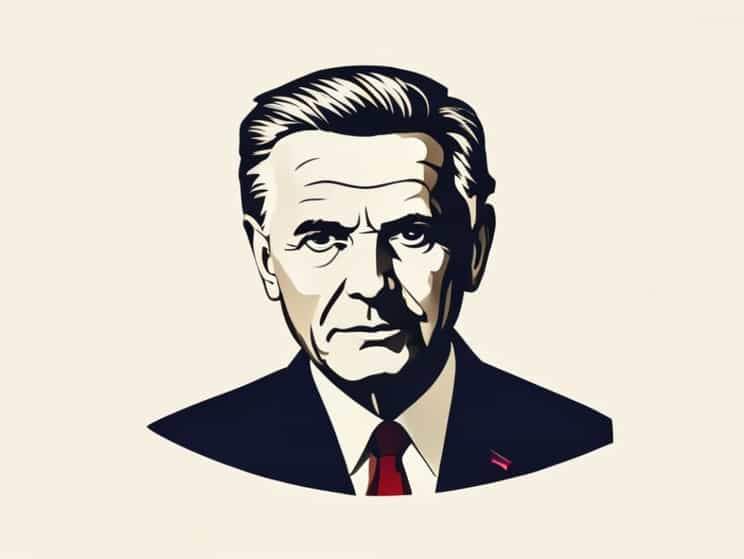
Ronald Reagan, the 40th President of the United States, remains one of the most influential figures in modern American history. Understanding the age of Ronald Reagan throughout key moments of his life provides insight into how his experiences shaped his political philosophy, leadership style, and public persona. Born on February 6, 1911, in Tampico, Illinois, Reagan’s early life, career in Hollywood, and later political achievements are often examined alongside his age during pivotal moments. His longevity allowed him to witness and influence decades of significant social, economic, and political change in the United States.
Early Life and Education
Ronald Reagan was born into a modest family, and his formative years were marked by the challenges of the Great Depression. By the time he graduated from Eureka College in 1932, Reagan was 21 years old. His age during these years reflected a young man entering adulthood during a period of economic uncertainty, which likely influenced his later views on government, personal responsibility, and economic policy.
Hollywood Career and Public Persona
Reagan’s first foray into public life began in Hollywood, where he started as a radio announcer before becoming a film actor. By the time he signed a contract with Warner Bros. in 1937, he was 26 years old. His age during this period played a crucial role in shaping his public persona as a charismatic and approachable figure. Reagan appeared in over 50 films throughout the 1940s and 1950s, gradually building a reputation that combined charm, relatability, and a strong sense of communication, which later became essential in his political career.
Political Awakening and Leadership Roles
Reagan’s interest in politics deepened during his work as a union leader in Hollywood, eventually leading him to shift from the Democratic Party to the Republican Party. By 1966, when he was elected Governor of California at the age of 55, Reagan had accumulated a wealth of experience in public speaking, leadership, and media management. His age at this stage allowed him to combine youthful energy with seasoned judgment, enabling him to navigate the complexities of California politics effectively.
Presidential Years
Ronald Reagan was inaugurated as President of the United States on January 20, 1981, at the age of 69, making him the oldest person to assume the presidency at that time. His age brought a sense of gravitas and historical perspective to the office, and it also sparked discussions about the role of age in leadership. Reagan served two terms, leaving office in 1989 at the age of 77. His age during these years was often highlighted in media discussions, yet it did not appear to hinder his energy or ability to influence both domestic and international policy.
- Domestic PolicyAt age 69, Reagan championed supply-side economics, tax cuts, and a reduction in government spending, policies that had long-lasting impacts on the American economy.
- Foreign PolicyReagan’s age and experience allowed him to navigate the Cold War’s complex geopolitical landscape, culminating in negotiations with Soviet leader Mikhail Gorbachev that contributed to the eventual end of the Cold War.
- Public CommunicationReagan’s age and seasoned public speaking skills earned him the nickname The Great Communicator, reflecting his ability to connect with Americans across generations.
Post-Presidency Years
After leaving office in 1989 at 77 years old, Reagan remained a significant public figure. His post-presidency years were spent engaging in public speaking, writing memoirs, and participating in political discussions. At age 78, he survived an assassination attempt, demonstrating resilience and further solidifying his public image as a determined and enduring leader. His age during these years contributed to a perception of wisdom and experience, making him a respected figure in both domestic and international spheres.
Later Life and Legacy
In 1994, Reagan was diagnosed with Alzheimer’s disease, and he publicly disclosed his condition at the age of 83. Despite the challenges posed by the disease, he continued to influence public discourse through his legacy and writings. Reagan passed away on June 5, 2004, at the age of 93, leaving behind a profound impact on American politics, culture, and history. His age at death underscored a life spanning nearly a century, during which he witnessed transformative changes and played a pivotal role in shaping modern America.
Impact of Reagan’s Age on His Presidency
The age of Ronald Reagan during his presidency influenced both public perception and political strategy. Older presidents often face scrutiny regarding stamina and cognitive abilities, yet Reagan’s performance demonstrated that age can coexist with effective leadership. His ability to articulate vision, maintain diplomatic relationships, and address economic challenges was enhanced by decades of accumulated experience. Additionally, Reagan’s age helped him frame his presidency as one of wisdom, stability, and moral clarity.
- ExperienceBy his late sixties, Reagan had decades of experience in Hollywood, politics, and public engagement, which informed his decision-making.
- PerspectiveHis age allowed him to contextualize contemporary challenges within a broader historical framework, appealing to a wide demographic of voters.
- CommunicationAge contributed to the authority and resonance of his speeches, helping him connect emotionally and intellectually with the American public.
The age of Ronald Reagan at various stages of his life provides a unique lens through which to understand his achievements and influence. From his early adulthood in Illinois to his years in Hollywood, his tenure as Governor of California, and finally his presidency and post-presidential life, Reagan’s age intertwined with his experiences to shape a distinctive leadership style. His long life, spanning 93 years, allowed him to impact American politics profoundly, leaving a legacy that continues to be studied and admired. By examining the age of Ronald Reagan in context, one gains insight into how personal experience, maturity, and historical perspective can intersect to shape leadership, vision, and enduring influence in public life.