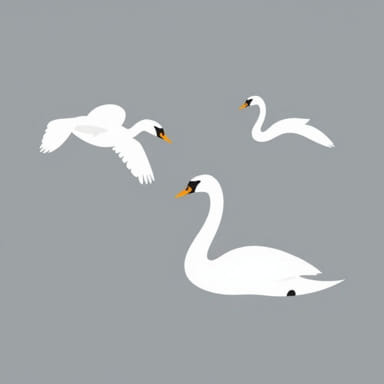
Among the many graceful species of birds, the whooper swan stands out with its striking appearance and majestic flight. Known for their long migrations and powerful presence, these swans often attract attention from bird watchers and outdoor enthusiasts alike. However, many people wonder whether whooper swans can be considered dangerous. Their large size, loud calls, and territorial nature may lead some to be cautious around them. Understanding their behavior, habitats, and potential risks can help clarify whether interactions with whooper swans pose any danger to humans or other animals.
Understanding the Nature of Whooper Swans
Physical Characteristics of Whooper Swans
The whooper swan, scientifically known asCygnus cygnus, is a large waterfowl species known for its elegant appearance. These swans are easily recognizable by their white plumage, long necks, and bright yellow-and-black beaks. Adult whooper swans can weigh up to 14 kilograms (about 30 pounds) and have a wingspan that stretches nearly 2.75 meters (about 9 feet).
- White plumage with yellow-and-black bills
- Long, curved neck used for feeding in shallow waters
- Strong wings capable of long-distance migration
- Powerful legs for swimming and walking on land
These physical attributes not only give whooper swans their beauty but also provide them with the strength to defend themselves if they feel threatened.
Habitat and Lifestyle
Whooper swans are primarily found in wetlands, lakes, and rivers across northern Europe and Asia. They migrate to milder climates during winter, often settling in temperate regions where food sources are abundant. These birds are social and typically gather in large flocks, especially during migration and in wintering grounds.
- Breeding in arctic tundra and northern wetlands
- Wintering in open waters and coastal estuaries
- Feeding on aquatic plants, grasses, and small invertebrates
Behavior of Whooper Swans
Territorial Tendencies
Whooper swans are known for their territorial instincts, particularly during the breeding season. Mated pairs fiercely guard their nesting sites against intruders, including other birds and sometimes humans who venture too close. During this period, their behavior can shift from passive to defensive quickly.
- Increased aggression during nesting season (spring and early summer)
- Both males and females participate in defending territory
- Displays include wing-flapping, hissing, and charging
While these displays may appear aggressive, their primary purpose is to intimidate rather than injure.
Parental Protection
During nesting season, adult whooper swans become highly protective of their young. They closely guard their cygnets and may react to perceived threats by hissing loudly, making aggressive gestures, or even physically chasing away intruders.
- Protective behavior peaks after hatching
- Cygnets are dependent on parents for food and safety
- Swans often guide their young across water and land
Are Whooper Swans Dangerous to Humans?
Defensive Actions Against Humans
Generally, whooper swans are not dangerous to humans under normal circumstances. However, if they feel cornered or their nests are disturbed, they may display aggressive behavior. These actions are typically limited to intimidating postures and loud vocalizations. In rare cases, a swan may strike with its wings or attempt to chase a person away.
- Incidents are rare and mostly involve territorial defense
- Physical injuries from swans are uncommon but possible in close proximity
- Keeping a respectful distance helps avoid conflicts
Precautionary Measures Around Whooper Swans
When encountering whooper swans in the wild or at parks, it is advisable to follow a few simple precautions to minimize potential risks:
- Do not approach nesting swans or their young
- Observe swans from a safe distance, especially during breeding season
- Avoid feeding swans by hand, as this may provoke unexpected reactions
- Respect local wildlife regulations and park guidelines
By practicing caution and mindfulness, most encounters with whooper swans remain peaceful and enjoyable.
Potential Risks to Other Animals
Interactions with Other Birds
Whooper swans often compete with other waterfowl for territory and resources. They may drive away smaller birds from preferred nesting or feeding areas, especially during the breeding season. This can result in displacement but rarely causes serious harm to other birds.
- Competition for food and nesting sites with ducks, geese, and other swans
- Occasional fights with similar-sized waterfowl species
- Generally non-lethal interactions, but may cause stress to other birds
Threats to Domestic Animals
While whooper swans may occasionally confront dogs or other pets that approach too closely, such incidents are infrequent. Most animals instinctively avoid confrontations with these large birds.
- Dogs may provoke defensive responses if off-leash near swans
- Large swans can deliver strong wing blows if they feel threatened
- Supervising pets near waterfowl helps prevent negative encounters
Conservation and Human Coexistence
Conservation Status
The whooper swan is currently classified as a species of Least Concern by conservation organizations. However, habitat loss and pollution continue to pose threats in some regions. Conservation efforts focus on protecting wetlands and maintaining clean water sources for these birds.
- Protected under various national and international wildlife agreements
- Habitat preservation programs support swan populations
- Public education campaigns promote awareness about swan conservation
Promoting Peaceful Coexistence
Peaceful coexistence between humans and whooper swans relies on respect and understanding. By recognizing their natural behaviors and maintaining a safe distance, people can enjoy observing these beautiful birds without disrupting their habitats.
- Support local wildlife organizations working to protect swans
- Participate in bird-watching activities that promote ethical wildlife viewing
- Follow guidelines set by conservation authorities and parks
In summary, whooper swans are not inherently dangerous to humans or other animals. Their occasional aggressive behavior stems from their need to protect themselves and their offspring, particularly during breeding season. With their impressive size and defensive displays, they can appear intimidating, but physical attacks are rare. By showing respect for their space and understanding their instincts, people can safely enjoy watching these elegant birds in their natural habitats. Whether gliding gracefully on a lake or nesting in a remote wetland, whooper swans continue to captivate those who encounter them, symbolizing beauty, strength, and the wild spirit of nature.