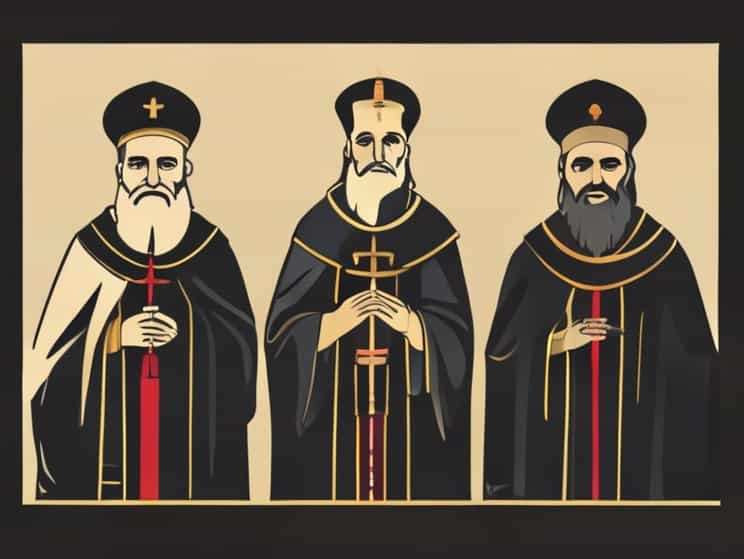
The Assembly of Canonical Orthodox Bishops is one of the most important organizational bodies within the Orthodox Christian world, especially in North America. It serves as a unifying council for hierarchs representing various Orthodox jurisdictions, fostering cooperation and shared mission while respecting the diversity of traditions within Orthodoxy. Its work spans pastoral care, evangelism, education, and interfaith dialogue, providing an institutional structure to guide the faithful in modern contexts. To fully understand its role, it is essential to examine its history, mission, structure, and impact on the Orthodox community.
Historical Background of the Assembly
The Assembly of Canonical Orthodox Bishops has its roots in the decision of global Orthodox leaders to create regional councils that would work toward greater unity among Orthodox Christians living outside the traditional homelands. In North America, where Orthodox immigrants from Greece, Russia, Serbia, Romania, and other nations established communities, the need for coordination became clear. Previously, these churches often functioned independently, creating overlapping jurisdictions. The Assembly emerged as a means to bring together bishops from these diverse traditions into a common forum.
Formation and Purpose
The formal creation of the Assembly took place in 2010, following the decision of the Fourth Pre-Conciliar Pan-Orthodox Conference held in Chambésy, Switzerland. This decision called for regional assemblies of bishops to collaborate until full canonical unity could be achieved. The Assembly of Canonical Orthodox Bishops of the United States of America was thus established to provide structure and coordination, ensuring that Orthodox Christians in the region could witness a more unified Church.
Mission and Objectives
The Assembly of Canonical Orthodox Bishops operates with several key goals, rooted in both pastoral care and strategic vision for Orthodoxy. Its mission is not only administrative but also deeply spiritual, seeking to embody the unity of the faith while addressing the challenges of modern life.
- To promote unity among Orthodox Christians of different jurisdictions
- To strengthen missionary work and evangelism
- To coordinate theological education and clergy formation
- To engage in interfaith and ecumenical dialogue
- To respond to social and moral issues with a unified voice
Structure of the Assembly
The Assembly of Canonical Orthodox Bishops is composed of hierarchs from the various Orthodox jurisdictions recognized as canonical. These bishops represent patriarchates and autocephalous churches such as the Ecumenical Patriarchate, the Patriarchate of Antioch, the Moscow Patriarchate, the Serbian Orthodox Church, the Romanian Orthodox Church, and others. The structure is deliberately collaborative, ensuring that all bishops have a voice in decision-making.
Committees and Working Groups
To carry out its mission, the Assembly organizes itself into committees and working groups. Each committee focuses on a particular area of church life, such as youth ministry, theological education, military chaplaincy, or pro-life initiatives. By delegating responsibilities, the Assembly ensures that practical needs are met and that expertise is applied to specific challenges.
Pastoral and Educational Efforts
A major role of the Assembly of Canonical Orthodox Bishops is in education and pastoral care. The Assembly works to coordinate seminaries and theological schools, ensuring that future clergy are trained in both the traditions of the Church and the realities of ministry in the modern world. These institutions prepare leaders who are able to serve diverse communities, balancing fidelity to Orthodox teaching with sensitivity to contemporary cultural issues.
Youth and Family Ministries
Recognizing the importance of engaging young people, the Assembly supports programs that nurture faith among youth and families. Summer camps, youth conferences, and parish-based ministries all serve to pass on the Orthodox faith to the next generation. This focus ensures that the Church remains vibrant and relevant in the lives of young Orthodox Christians growing up in multicultural societies.
Interfaith and Ecumenical Dialogue
In a world of religious diversity, the Assembly of Canonical Orthodox Bishops also plays an important role in interfaith and ecumenical relations. Through dialogue with other Christian denominations and with non-Christian faiths, the Assembly seeks to promote peace, mutual understanding, and cooperation on shared social issues. This work reflects Orthodoxy’s commitment to witness the Gospel while engaging respectfully with other traditions.
Social and Moral Engagement
The Assembly does not restrict itself to internal church matters. It also provides moral guidance on pressing social issues, offering statements and resources on topics such as bioethics, family life, poverty, and religious freedom. By speaking with one voice, the Assembly helps Orthodox Christians navigate the challenges of modern society while staying rooted in the timeless teachings of the Church.
Humanitarian Outreach
Another aspect of the Assembly’s mission involves humanitarian aid and social services. Whether responding to natural disasters, supporting refugees, or providing assistance to the poor, the Assembly encourages Orthodox parishes and organizations to collaborate in service. This reflects the Church’s calling to embody Christ’s love through acts of mercy.
Challenges Facing the Assembly
Despite its achievements, the Assembly of Canonical Orthodox Bishops faces ongoing challenges. One of the main difficulties is the reality of overlapping jurisdictions, where different Orthodox churches maintain separate structures in the same territory. While the Assembly fosters cooperation, full administrative unity has not yet been achieved. Balancing diverse traditions and maintaining harmony among bishops also requires patience and dialogue.
Maintaining Tradition in a Modern Context
Another challenge lies in adapting to modern society while maintaining fidelity to Orthodox tradition. Issues such as secularization, cultural diversity, and the rise of digital communication require creative responses. The Assembly works to address these challenges without compromising the integrity of Orthodox faith and practice.
Impact on Orthodox Christianity in America
The presence of the Assembly of Canonical Orthodox Bishops has significantly influenced the life of Orthodox Christianity in America. It has created a stronger sense of unity among the faithful, offering opportunities for collaboration that were previously limited. Through its work, parishes and clergy from different jurisdictions now cooperate more closely in missions, education, and charity.
Building Unity Among Jurisdictions
While administrative unity remains a long-term goal, the Assembly has already fostered greater collaboration among Orthodox jurisdictions. This unity strengthens the witness of Orthodoxy in North America, presenting a more coherent voice to the wider society and helping the faithful to feel part of a larger spiritual family.
The Assembly of Canonical Orthodox Bishops represents an important step toward greater unity and cooperation among Orthodox Christians in North America. Rooted in tradition yet engaged with modern challenges, the Assembly provides pastoral care, promotes education, fosters interfaith dialogue, and offers moral guidance on contemporary issues. While challenges remain, its work demonstrates the enduring vitality of Orthodoxy in today’s world. By drawing together bishops from multiple traditions, the Assembly reflects the catholicity and universality of the Orthodox faith, offering hope for future generations of believers.