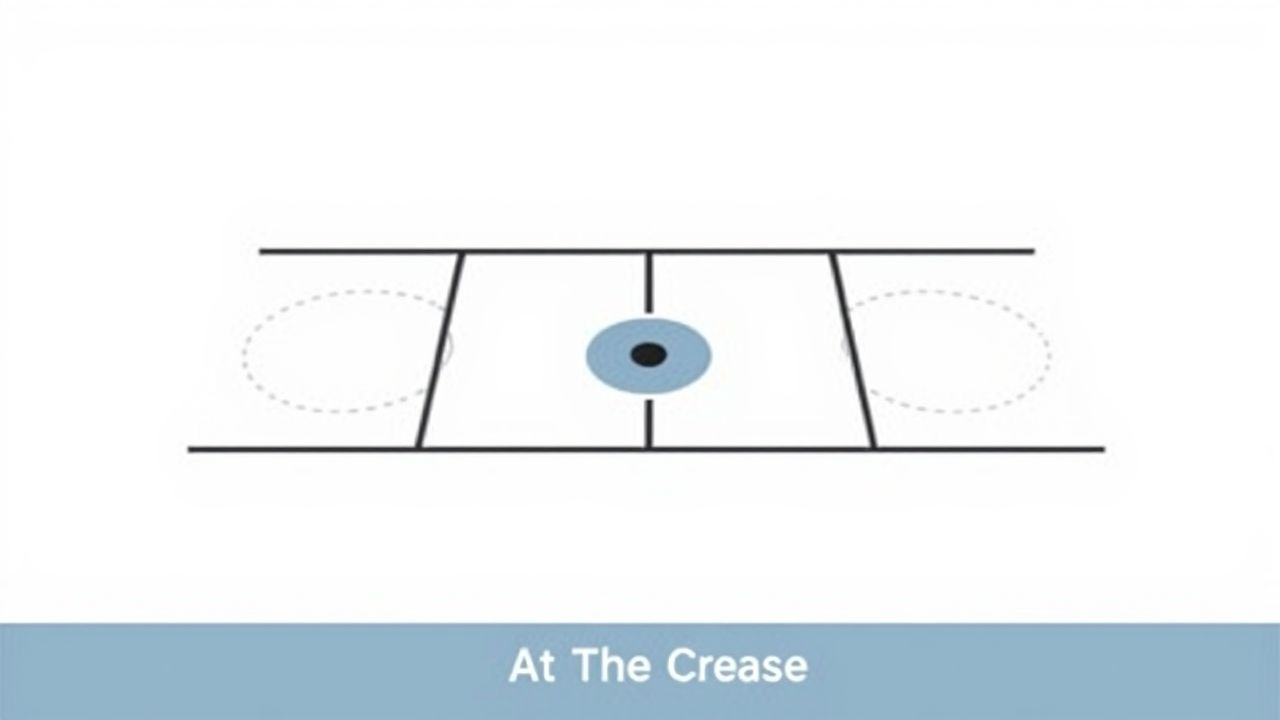
In sports, especially in cricket and hockey, the phrase ‘at the crease’ holds significant meaning. It refers to a specific area on the playing field and is often used to describe a player’s position or readiness to take action. Understanding this term and its contextual importance can help sports enthusiasts, commentators, and learners grasp the dynamics of the game better. This topic explores the meaning, usage, and significance of ‘at the crease’ in sports, highlighting its relevance and examples to clarify its application in real scenarios.
Definition of ‘At The Crease’
The term ‘at the crease’ primarily originates from cricket, where the crease is a marked line on the pitch that defines the batsman’s safe area. To be ‘at the crease’ means the batsman is standing within this designated zone, ready to face the ball. The crease acts as a crucial boundary that determines whether a batsman is safe from being run out or stumped. Beyond cricket, the phrase can also be used metaphorically or in other sports contexts to describe a position of readiness or strategic placement near a critical boundary.
The Crease in Cricket
- Batsman’s Crease: The line where the batsman stands to hit the ball. There are two main creases the popping crease and the bowling crease.
- Bowler’s Crease: The line from which the bowler delivers the ball.
- Importance: The crease marks the batsman’s safe zone. If the batsman’s foot is grounded behind the popping crease, they cannot be run out.
Therefore, when commentators say a batsman is ‘at the crease,’ it means the batsman is currently active and positioned to face the bowler’s delivery.
Usage of ‘At The Crease’ in Sports Commentary
‘At the crease’ is a common phrase used by cricket commentators and analysts to describe the state or position of a batsman. It indicates that the player is ready to bat and is physically standing in the crease area on the field. This phrase conveys more than just location it suggests mental preparedness and involvement in the game.
Examples in Cricket Commentary
- ‘The seasoned batsman is now at the crease, ready to face the fast bowler.’
- ‘With the team struggling, the young player steps up at the crease to steady the innings.’
- ‘He’s been at the crease for over two hours, showing great patience and skill.’
These examples show how ‘at the crease’ signals a player’s current engagement in the game and often highlights their importance in the team’s performance.
Metaphorical Use of ‘At The Crease’
While the phrase is specific to cricket, ‘at the crease’ can also be used metaphorically in broader English to describe a position of readiness or being prepared to face a challenge. For example, in business or life situations, someone might say they are ‘at the crease’ to indicate they are ready for an important event or decision.
Metaphorical Examples
- ‘With the presentation tomorrow, I feel like I’m at the crease, waiting to deliver my best.’
- ‘After months of training, the athlete is finally at the crease, ready to compete.’
This figurative use helps bring vivid imagery from the sport into everyday language, emphasizing preparedness and focus.
The Crease in Other Sports
Besides cricket, the term ‘crease’ is also significant in ice hockey. In hockey, the crease is a semi-circular area in front of the goal that the goalie protects. Players ‘at the crease’ are those positioned very close to the goal, often aiming to score or defend crucial moments.
Hockey Context
- Goalie Crease: The marked area around the net where the goalie has priority and opposing players have limited access.
- Players at the Crease: Offensive players try to position themselves at the crease to deflect or score goals, while defenders work to clear them out.
In hockey, being ‘at the crease’ indicates a high-pressure situation near the goal, similar to the cricket crease where the batsman must perform under pressure.
Why Understanding ‘At The Crease’ Is Important
For cricket and hockey fans, knowing what ‘at the crease’ means adds depth to watching and appreciating the game. It helps in understanding player strategies, game flow, and crucial moments. For players, the crease is a mental and physical boundary where concentration, technique, and quick decision-making come into play.
Key Reasons to Understand the Term
- Improves Game Comprehension: Knowing the significance of the crease helps fans follow the game’s finer details.
- Enhances Communication: Using the term correctly allows better conversation about sports.
- Reflects Readiness: Being ‘at the crease’ symbolizes being prepared to face challenges, applicable in sports and life.
How to Use ‘At The Crease’ in Sentences
Incorporating this phrase in your vocabulary can enrich your sports commentary or everyday speech. Here are some practical examples:
- ‘The captain is at the crease, leading the team with confidence.’
- ‘With just a few runs needed, the player stayed calm at the crease.’
- ‘She positioned herself at the crease in front of the goal, waiting for a pass.’
- ‘After weeks of preparation, he felt ready and at the crease for the big presentation.’
The phrase ‘at the crease’ is much more than just a sports term. It signifies a position of readiness, focus, and action, primarily in cricket and hockey. Understanding its literal meaning in sports and its metaphorical applications in daily language can improve communication and appreciation of the games. Whether describing a batsman ready to face a ball or someone prepared to tackle a challenge, being ‘at the crease’ is about standing at the starting line, ready for what’s next. This vivid expression continues to find relevance both on the field and beyond.