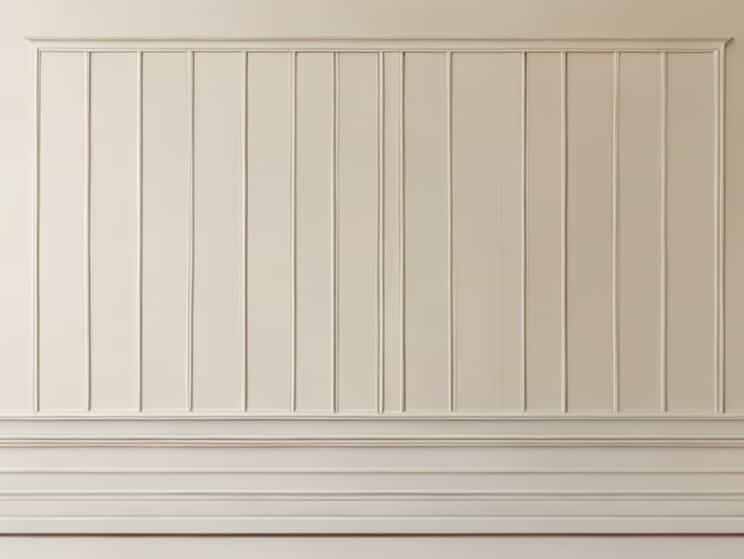
Wainscoting is a classic design element that adds texture, elegance, and character to interior walls. Often used in dining rooms, hallways, and living spaces, it serves both decorative and functional purposes, protecting walls from scuffs and wear while enhancing aesthetic appeal. One of the most common questions among homeowners and interior designers is the average height of wainscoting, as this measurement is crucial for creating balanced and visually appealing interiors. While there is no one-size-fits-all answer, understanding typical dimensions, proportions, and design principles can help guide proper installation and achieve a professional look.
What Is Wainscoting?
Wainscoting is a type of paneling applied to the lower portion of interior walls. Traditionally made of wood, it can also be crafted from MDF, PVC, or other materials. Its primary functions include
- Protecting walls from damage caused by furniture, children, or pets
- Adding architectural interest and enhancing the overall style of a room
- Providing a backdrop for decorative elements like chair rails, moldings, or artwork
Wainscoting can be simple or ornate, with styles ranging from flat panels to raised panels or beadboard, offering versatility for various design aesthetics.
Factors Influencing Wainscoting Height
The height of wainscoting is not strictly standardized and often depends on several factors. Designers consider room proportions, ceiling height, furniture placement, and personal preference when determining the ideal height. Some of the main considerations include
- Ceiling heightIn rooms with standard 8-foot ceilings, wainscoting typically covers the lower third of the wall, while in taller rooms, it may extend higher for proportional balance.
- Furniture placementWainscoting should complement elements like dining chairs, sideboards, or sofas. Matching the panel height to the back of chairs is a common practice.
- Design styleTraditional, formal rooms often use higher wainscoting, while casual or contemporary spaces may favor lower profiles.
Average Height Guidelines
While preferences vary, the most commonly recommended heights for wainscoting are
- Standard Height32 to 36 inches from the floor, ideal for most rooms with standard ceiling heights.
- Extended Height42 inches or higher, often used in formal dining rooms or spaces with 9-foot or taller ceilings.
- Chair Rail AlignmentMany designers align the top of wainscoting with the height of chairs, usually around 36 inches, to prevent damage and create visual balance.
Choosing a height within these ranges ensures that the wainscoting appears proportional and complements the overall interior design.
Types of Wainscoting and Their Impact on Height
The type of wainscoting installed can also affect its height and visual impact. Popular styles include
- BeadboardVertical slats often run from baseboard to chair rail, with standard heights around 32 inches but can extend higher for a more dramatic look.
- Raised PanelFeatures framed panels with raised centers; typically installed between 32 and 42 inches for a classic appearance.
- Flat PanelSmooth, recessed panels that can be customized in height; works well in modern or minimalist interiors.
- Board and BattenVertical battens over flat panels; height can vary depending on ceiling height and room proportions.
The style chosen often guides the installer in selecting an appropriate height that enhances the architectural character of the room.
Proportions and Visual Balance
Maintaining proportion is essential when determining the height of wainscoting. A general design principle is that wainscoting should occupy approximately one-third of the total wall height in standard rooms. For example, in a room with an 8-foot ceiling, a height of 32 inches creates a visually balanced look. Taller ceilings may allow wainscoting to rise to 42 or 48 inches without overwhelming the space. Additionally, the spacing of panels and the width of moldings contribute to the overall visual balance and can influence the perceived height of the wainscoting.
Practical Considerations for Installation
Beyond aesthetics, practical considerations also influence the average height of wainscoting. Homeowners and installers should consider
- ProtectionWainscoting serves as a protective barrier against scuffs and dents, so positioning it above chair height is practical in dining rooms.
- Furniture compatibilityEnsure wainscoting does not interfere with existing furniture placement or wall fixtures.
- Material selectionDurable materials like hardwood or high-quality MDF withstand impacts better, especially when installed at lower heights.
- CustomizationIn rooms with unusual dimensions or design features, custom heights may be necessary to achieve a cohesive look.
Addressing these considerations ensures that wainscoting is both functional and visually appealing.
Design Tips for Choosing the Right Height
To determine the best height for wainscoting, consider the following tips
- Measure ceiling height and calculate one-third of the total height for a standard proportion.
- Observe furniture placement, particularly chair backs and shelving, to avoid conflicts.
- Test visual balance by temporarily marking the desired height on the wall with painter’s tape.
- Consider the style and detailing of the wainscoting; elaborate designs may look better slightly taller.
- Account for wall features such as windows, doors, and molding to ensure harmonious integration.
These steps help create a well-proportioned and aesthetically pleasing installation.
The average height of wainscoting typically ranges from 32 to 36 inches for standard rooms, with taller options extending to 42 inches or more in rooms with higher ceilings. The ideal height depends on factors such as ceiling height, furniture placement, room proportions, and the chosen style of wainscoting. By understanding these variables and applying design principles like the one-third wall rule, homeowners and designers can create visually balanced spaces that are both functional and attractive. From beadboard to raised panels and board-and-batten styles, wainscoting remains a timeless design choice that adds elegance, protection, and character to any interior. Careful planning and attention to proportion ensure that this classic architectural feature enhances the overall beauty and usability of a room while providing lasting value and charm.