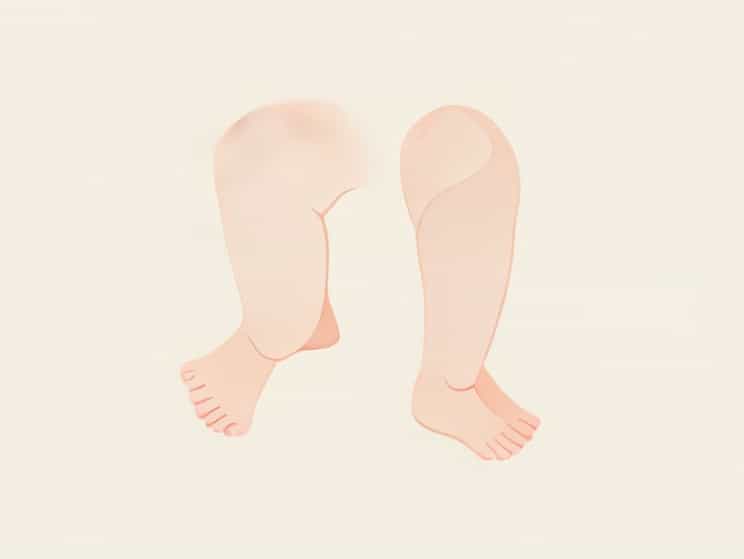
Parents often notice that their babies’ legs appear bowed, causing concern about potential health issues. Bowed legs, or genu varum, are a common observation in infants and toddlers. In most cases, this condition is a normal part of development and usually corrects itself as the child grows. Understanding the causes, types, and treatments for bowed legs can help parents distinguish between natural growth patterns and medical conditions that may require intervention. This topic explores why babies’ legs may look bowed, what to expect during development, and when to seek medical advice.
What Are Bowed Legs in Babies?
Bowed legs occur when a child’s legs curve outward at the knees while the feet and ankles remain together. This appearance is more noticeable when the child stands and can vary in severity. Bowing can affect one or both legs and may be symmetrical or asymmetrical. Many parents first notice bowed legs when their baby begins to stand or walk, typically between the ages of 12 and 18 months. While it can be alarming, bowed legs are often a normal developmental stage.
Physiological Bowing
Physiological bowing is the most common type of bowed legs in babies. It occurs naturally due to the position of the baby in the womb and the rapid growth of the bones during infancy. As babies develop, their legs are slightly curved, and the outward bowing often persists during the first year of life. By around age 2, most children’s legs begin to straighten naturally without any medical intervention. Physiological bowing is usually symmetrical and does not cause pain or difficulty in movement.
Causes of Bowed Legs
Several factors can contribute to bowed legs in babies, ranging from natural growth patterns to underlying medical conditions.
1. Developmental Factors
During early development, a baby’s leg bones are soft and malleable. The curvature helps the legs adapt to the fetal position and can remain visible after birth. As the child grows, weight-bearing activities and muscle development help straighten the legs over time.
2. Nutritional Deficiencies
In some cases, bowed legs can result from nutritional deficiencies, particularly vitamin D deficiency, which leads to rickets. Rickets causes softening and weakening of the bones, resulting in bowing. Adequate nutrition, including sufficient calcium and vitamin D, is essential for healthy bone development.
3. Genetic and Congenital Factors
Some children may be born with conditions that affect bone growth and alignment, such as Blount’s disease. Blount’s disease causes abnormal growth in the tibia, leading to more pronounced bowing that may worsen over time if not treated. Family history can also play a role in predisposition to bowed legs.
Recognizing Normal vs. Abnormal Bowed Legs
It is important for parents to differentiate between normal developmental bowing and signs that may indicate a medical issue.
Signs of Normal Bowing
- Symmetrical curvature of both legs
- Legs gradually straighten by age 2 to 3
- No pain or discomfort when standing or walking
- Normal development milestones are being met
Signs of Abnormal Bowing
- Asymmetrical bowing affecting only one leg
- Severe curvature that worsens over time
- Pain, swelling, or tenderness in the legs or knees
- Delayed walking or difficulty bearing weight
- Family history of metabolic or bone disorders
Diagnosis and Medical Evaluation
If a pediatrician suspects that a child’s bowed legs may be abnormal, several evaluations can be performed. Physical examination is the first step, assessing leg alignment, range of motion, and symmetry. X-rays or imaging studies may be used to determine the degree of bowing and to rule out conditions such as Blount’s disease or rickets. Blood tests can check for nutritional deficiencies or metabolic disorders affecting bone health.
Treatment Options
Treatment for bowed legs depends on the underlying cause. For most cases of physiological bowing, no treatment is necessary, and the legs will gradually straighten with growth. In cases of rickets, supplementation with vitamin D and calcium can help strengthen bones and correct bowing. For Blount’s disease or severe bowing, orthopedic interventions such as braces or surgery may be required to realign the legs and promote healthy growth.
Home Care and Support
Parents can support healthy leg development at home by encouraging safe movement and weight-bearing activities. Crawling, standing, and walking help strengthen muscles and improve bone alignment. Ensuring a balanced diet rich in calcium, vitamin D, and other nutrients is essential for bone health. Regular check-ups with a pediatrician help monitor growth and detect any abnormalities early.
When to Seek Medical Advice
Parents should consult a doctor if they notice
- Leg bowing that worsens over time
- Significant asymmetry between the legs
- Pain, difficulty walking, or delayed developmental milestones
- Signs of nutritional deficiency such as delayed growth or bone fragility
Babies’ legs looking bowed is a common and often normal part of early development. Physiological bowing usually resolves on its own as the child grows, while severe or asymmetrical bowing may indicate underlying medical conditions that require evaluation. Understanding the causes, recognizing the signs of normal versus abnormal bowing, and providing proper nutrition and physical activity can support healthy leg development. Early detection and treatment of conditions like rickets or Blount’s disease are crucial for preventing long-term complications, ensuring that children develop strong, straight legs as they grow. With proper guidance and care, most cases of bowed legs in babies are temporary and correct naturally, allowing children to reach their milestones with confidence.