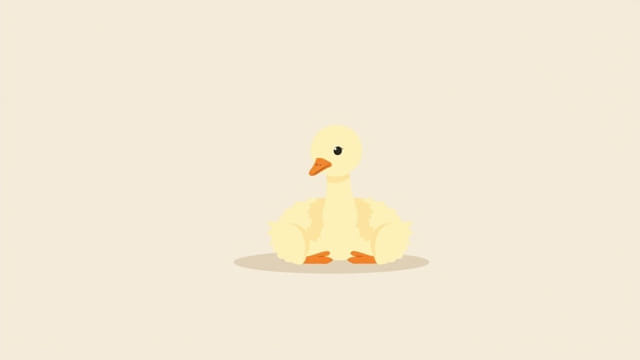
When observing geese in the wild or on a peaceful farm, one of the most delightful sights is a group of fluffy, yellow baby geese following their parents in a line. These young birds are not only adorable but also quite fascinating in their behavior and development. For those curious about what baby geese are called, the answer is simple yet often overlooked. These young waterfowl have a specific name that distinguishes them from adults, and learning about them offers insight into the life cycle, parenting habits, and survival instincts of geese.
What Are Baby Geese Called?
Baby geese are calledgoslings. The term ‘gosling’ is used to describe a young goose that has not yet reached maturity. This name comes from the Old English word gos, meaning goose, and the diminutive suffix -ling, which indicates something small or young. Goslings are typically covered in soft down feathers, cannot yet fly, and rely heavily on their parents for protection and guidance.
Stages of a Goose’s Life
To better understand what a gosling is, it’s helpful to look at the typical stages in a goose’s life cycle:
- Egg: The life of a goose begins inside an egg, incubated by the mother for about 25 to 30 days.
- Gosling: Once hatched, the baby is known as a gosling. This stage lasts several weeks, during which the young bird grows rapidly.
- Juvenile: As goslings develop feathers and begin flying, they enter the juvenile stage.
- Adult goose: After several months, a goose becomes an adult, capable of mating and raising young.
Appearance and Behavior of Goslings
Goslings are easy to recognize by their soft, fluffy appearance and small size. Most are covered in light yellow or grayish down feathers and have small beaks and feet compared to their adult form. As they grow, their feathers darken and become more defined until they resemble their parents.
Physical Characteristics
- Soft down feathers for insulation
- Rounded body and short neck
- Webbed feet for swimming
- High-pitched chirping sounds
Despite their small size, goslings are active and surprisingly mobile shortly after hatching. Within a day or two, they can walk, swim, and even dive under water when threatened. Their instinct to follow their parents closely is strong, a behavior known asimprinting.
Imprinting and Parental Guidance
Imprinting is a process where goslings form a strong attachment to the first moving object they see after hatching usually their mother. This ensures they follow her and stay safe. In the wild, goslings rely on both parents for warmth, guidance, and defense against predators.
Habitat and Diet of Baby Geese
Goslings are most commonly found in areas near water, such as lakes, ponds, rivers, or marshes. Their aquatic environment provides safety, food, and a place to learn survival skills.
Typical Habitat
- Shallow water bodies with access to grassy banks
- Wetlands or marshes rich in vegetation
- Open fields near freshwater sources
The diet of a gosling consists primarily of vegetation. From a young age, they nibble on grass, aquatic plants, and small insects. Their digestive systems are adapted to process plant material efficiently, and they spend much of their time foraging with their parents.
Growth and Development
The transformation from gosling to adult goose is rapid. Within six to ten weeks, goslings develop flight feathers and begin learning to fly. Their growth is marked by several key milestones that indicate their readiness to join the adult flock fully.
Development Milestones
- Week 1-2: Basic motor skills, ability to swim, and early foraging behavior develop.
- Week 3-5: Wing and leg strength improve; goslings begin exercising by flapping and running.
- Week 6-8: Feathers replace down, and flight practice begins.
- Week 9-10: Most goslings achieve first successful flight.
Parental care continues throughout this period, with adult geese fiercely defending their young from potential predators such as foxes, raccoons, and birds of prey.
Goslings in the Wild vs. Captivity
There is a notable difference between goslings raised in the wild and those raised in farms or domestic environments. While all goslings share common instincts, their behavior, diet, and growth rate can vary based on their environment.
Wild Goslings
- Learn survival skills through observation
- Must adapt to changing weather and predators
- Form strong bonds within the flock
Domestic Goslings
- Receive regular feed and clean water
- May be handled by humans, leading to less fear of people
- Often raised for pets, education, or farming
Regardless of setting, goslings require warmth, shelter, and clean environments to thrive. Heat lamps or brooding boxes are commonly used in domestic care to mimic the warmth of a mother goose.
The Role of Goslings in Goose Populations
Goslings represent the future of goose populations. Each year, geese invest a great deal of time and energy into raising their young. Successful gosling development ensures that species like the Canada Goose, Greylag Goose, and Snow Goose continue to thrive across their respective habitats.
Geese Family Dynamics
Geese are known for strong family bonds. Mated pairs often stay together for life and work as a team to protect and raise their offspring. Some species even return to the same nesting areas annually, showing impressive memory and site fidelity.
Interesting Facts About Goslings
- Goslings can swim almost immediately after hatching.
- They often sleep under their mother’s wings for warmth and protection.
- In large flocks, multiple goslings may mingle, forming nurseries watched over by a few adults.
- Geese parents communicate with their goslings through a variety of honks, grunts, and body signals.
Baby geese are called goslings, and they are a vital part of the goose life cycle. From the moment they hatch, these curious and energetic birds begin a journey of growth, learning, and survival. Their close bond with their parents, rapid development, and natural instincts make them fascinating creatures to observe and study. Whether seen in the wild or raised in a domestic setting, goslings offer a beautiful glimpse into the world of waterfowl. By understanding more about goslings, their needs, and their role in nature, we can better appreciate the delicate balance of life in the animal kingdom.