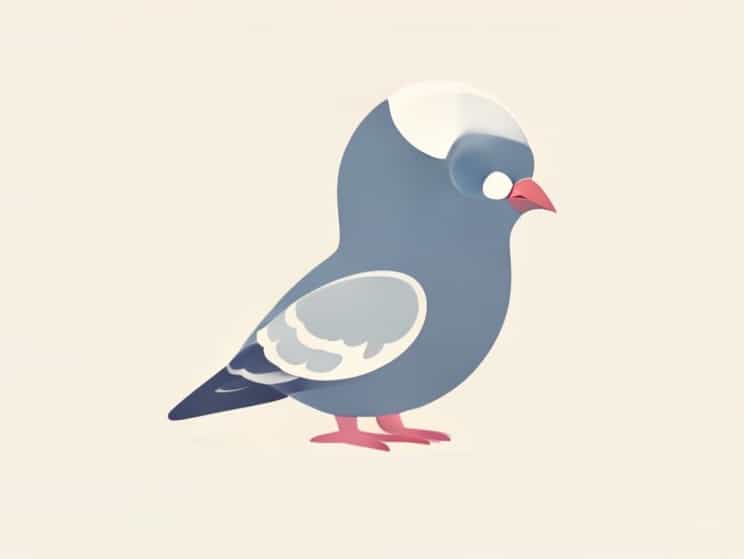
The baby pigeon, commonly referred to as a squab, is a fascinating creature that captures the interest of bird enthusiasts, biologists, and urban dwellers alike. Unlike adult pigeons, squabs have distinct physical and behavioral characteristics that make them unique within the avian world. They are often raised in nests by their parents until they are ready to fledge, at which point they develop the skills necessary to survive independently. Understanding the life of a squab provides valuable insight into avian development, parental care, and the role of pigeons in both natural and urban ecosystems.
What is a Squab?
A squab is the term used to describe a young domestic pigeon that is typically under four weeks of age. Squabs are born altricial, meaning they are relatively helpless at birth and require extensive parental care. They are usually covered in soft down feathers rather than the fully developed feathers seen in adult pigeons. During the first few weeks, squabs remain in the nest, relying on their parents for warmth, food, and protection.
Physical Characteristics of Squabs
Squabs have several distinct physical traits that differentiate them from adult pigeons
- Downy FeathersInstead of fully formed feathers, squabs are covered in soft, fluffy down, which helps keep them warm.
- Closed or Partially Open EyesNewborn squabs have their eyes closed or only slightly open, gradually opening as they grow.
- Plump BodiesSquabs are typically round and plump due to the steady supply of nutrient-rich food provided by their parents.
- Short Wings and TailsTheir wings and tails are underdeveloped, making them incapable of flying until they fledge.
Diet and Feeding Habits
Squabs are fed a special secretion produced by adult pigeons called pigeon milk. Both male and female pigeons produce this nutrient-rich substance in their crop, which is essential for the squab’s rapid growth and development. The diet of squabs gradually transitions as they grow older, incorporating seeds, grains, and other foods that adult pigeons consume. The feeding period is critical, as proper nutrition ensures that squabs develop strong feathers, bones, and overall health necessary for survival outside the nest.
Parental Care
Pigeons exhibit remarkable parental care when raising squabs. Both the male and female take turns incubating the eggs and feeding the hatchlings. This shared responsibility ensures that squabs receive constant warmth and nutrition. Pigeon parents are highly protective of their young, often remaining vigilant against predators and disturbances. The bond between pigeon parents and their squabs is vital for the survival and successful fledging of the young birds.
Development and Growth
The development of a squab can be divided into several key stages
- HatchingSquabs emerge from their eggs after an incubation period of approximately 17-19 days.
- Early Nestling StageDuring the first two weeks, squabs rely entirely on pigeon milk for sustenance and remain in the nest.
- Feather GrowthFeathers start developing between the second and third weeks, gradually replacing the downy covering.
- FledgingAround the fourth week, squabs begin to leave the nest and learn to fly, becoming more independent.
Behavioral Traits
Squabs exhibit several notable behaviors during their development
- Begging for FoodYoung squabs instinctively beg for pigeon milk from their parents by pecking and chirping.
- Limited MobilityInitially, squabs are mostly stationary within the nest, moving only slightly to adjust their position or respond to parental attention.
- Fledging ExplorationAs they grow, squabs begin exploring their surroundings, testing their wings, and practicing balance in preparation for flight.
Human Interaction and Squabs
Squabs have been of interest to humans for centuries, both as pets and as a source of food. In culinary contexts, squabs are prized for their tender meat, particularly in certain European, Asian, and Middle Eastern cuisines. When raised for consumption, squabs are typically harvested at a young age before they develop the flight abilities and toughness of adult pigeons. Additionally, bird enthusiasts and wildlife rehabilitators may care for orphaned or injured squabs, providing specialized diets and care to ensure their survival.
Urban Squabs
In urban environments, squabs are commonly found in nests on buildings, ledges, and other sheltered areas. City pigeons have adapted well to human presence, often nesting in areas that provide safety from predators. Urban squabs rely on both natural instincts and human-modified habitats for protection, demonstrating the adaptability of pigeons in a variety of environments.
Health and Risks
Raising and observing squabs comes with certain considerations for their health and safety. Some of the common challenges include
- PredatorsSquabs are vulnerable to predators such as cats, rats, and larger birds.
- Weather ExposureExtreme temperatures and inclement weather can threaten young squabs, making secure nesting crucial.
- DiseasesSquabs can be susceptible to avian diseases if proper hygiene and care are not maintained.
Conservation and Ethical Considerations
While pigeons are not typically endangered, the ethical treatment of squabs is important for maintaining healthy urban and rural populations. Conservation efforts may include providing safe nesting areas, monitoring health, and minimizing human interference. Understanding the life cycle and needs of squabs helps foster coexistence between humans and these resilient birds.
Squabs, the baby pigeons, are a remarkable example of avian development and parental care. From their down-covered bodies and reliance on pigeon milk to their fledging and eventual independence, squabs demonstrate the intricate processes involved in raising young birds. Whether observed in urban settings or cared for by enthusiasts, squabs offer valuable insights into the natural world and the adaptability of pigeons. By understanding their needs, behaviors, and growth, humans can better appreciate the role squabs play in ecosystems, culinary traditions, and urban wildlife management.