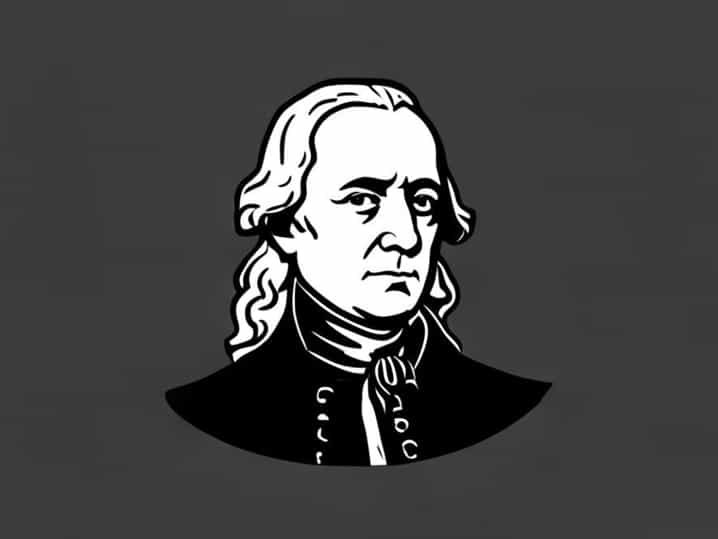
Baron de Montesquieu was a prominent Enlightenment philosopher whose ideas significantly shaped modern political thought. Born in the late 17th century, Montesquieu contributed to the intellectual movement that emphasized reason, individual liberty, and the importance of laws in governing society. His work explored the balance of power in government, the nature of laws, and the conditions necessary for freedom. Understanding Montesquieu’s life, contributions, and philosophical principles helps us appreciate his influence on contemporary political systems, including the separation of powers in modern democracies.
Early Life and Background
Baron de Montesquieu, whose full name was Charles-Louis de Secondat, Baron de La Brède et de Montesquieu, was born in 1689 in the region of Bordeaux, France. He came from a noble family, which provided him access to education and social connections that would later influence his intellectual development. Montesquieu inherited his father’s title and estate, allowing him to study law and participate in public affairs. His upbringing in a privileged environment gave him insight into both the workings of government and the responsibilities of the aristocracy.
Education and Influences
Montesquieu received a rigorous education in law and political philosophy. He studied at the University of Bordeaux, where he developed a deep understanding of Roman law and French legal traditions. His exposure to classical literature, history, and political theory shaped his analytical skills and philosophical outlook. Montesquieu was also influenced by the broader Enlightenment movement, which emphasized reason, empirical observation, and skepticism of absolute authority. Thinkers such as John Locke and other contemporary philosophers inspired his ideas on government and liberty.
Contributions to Political Philosophy
Montesquieu’s most significant contributions lie in his theories about government, law, and society. He believed that the structure of political institutions was essential to maintaining liberty and preventing tyranny. Montesquieu argued that no single branch of government should hold unchecked power, and his insights became foundational for modern democratic systems.
The Spirit of the Laws
Montesquieu’s most famous work,The Spirit of the Laws, published in 1748, explored the principles of political organization and governance. In this book, he examined the relationship between laws, culture, geography, and society. Montesquieu proposed that laws must reflect the specific conditions and customs of each society to be effective. He categorized governments into three main types-republics, monarchies, and despotisms-and analyzed how each system functioned and how power could be maintained responsibly within them.
Separation of Powers
One of Montesquieu’s most enduring contributions is the theory of the separation of powers. He argued that political power should be divided among different branches of government-executive, legislative, and judicial-to prevent abuse and protect individual freedoms. By ensuring that no single branch could dominate, Montesquieu believed that governments could maintain justice and stability. His ideas heavily influenced the development of constitutions in Europe and the Americas, particularly the United States Constitution, which incorporates a system of checks and balances inspired by his work.
Checks and Balances
In addition to separating powers, Montesquieu emphasized the importance of checks and balances. Each branch of government should have mechanisms to limit the powers of the others, creating a dynamic system of accountability. For example, a legislative body might make laws, the executive enforces them, and the judiciary interprets them. Montesquieu’s insights helped form the foundation for modern constitutional design and continue to inform debates about governance, accountability, and the protection of civil liberties.
Views on Liberty and Law
Montesquieu believed that liberty was a fundamental right that could be preserved through properly designed political systems. He argued that true freedom was possible only when laws were fair, consistent, and applied equally to all citizens. He also highlighted the importance of balancing governmental authority with individual rights, warning against arbitrary rule and concentration of power.
Role of Culture and Geography
Unlike some of his contemporaries, Montesquieu emphasized that the effectiveness of laws and political systems depended on the cultural, social, and geographical context of a country. Climate, economy, and customs could influence human behavior, which in turn affected governance. This empirical approach distinguished his philosophy from purely theoretical models and encouraged leaders to consider practical conditions when designing legal and political structures.
Impact on Democracy and Human Rights
Montesquieu’s ideas about separation of powers, checks and balances, and the rule of law laid the groundwork for modern liberal democracies. By advocating for institutional mechanisms that limit the power of rulers, he provided intellectual support for constitutions that protect individual freedoms. His emphasis on liberty, equality before the law, and responsible governance also influenced broader discussions about human rights, civil liberties, and democratic accountability.
Other Works and Contributions
In addition toThe Spirit of the Laws, Montesquieu wrote essays and letters that explored philosophy, politics, and social issues. His works on Persian letters, satire, and cultural critique examined European society and the challenges of governance. Montesquieu’s writings combined humor, observation, and philosophical reasoning, making complex ideas accessible to educated audiences of his time.
Persian Letters
In his bookPersian Letters, Montesquieu used satire and fictional letters from Persian travelers to critique French society and political institutions. This work illustrated his keen observation skills and his ability to convey ideas about social and political reform in an engaging way. It also introduced readers to cross-cultural perspectives, encouraging reflection on cultural relativism and the diversity of human societies.
Legacy and Influence
Baron de Montesquieu’s legacy endures through his contributions to political thought and constitutional design. His theories influenced revolutionary movements, constitutional framers, and modern political science. Montesquieu’s emphasis on liberty, the rule of law, and institutional checks on power remains relevant in contemporary discussions about governance, democracy, and human rights.
Influence on Modern Constitutions
- The United States Constitution adopted the separation of powers and checks and balances system
- European nations incorporated Montesquieu’s principles in parliamentary structures
- International human rights frameworks reflect his emphasis on liberty and equality before the law
- Political theorists continue to reference his work in discussions of governance and institutional design
Enduring Relevance
Even centuries after his death in 1755, Montesquieu’s ideas continue to guide policymakers, scholars, and activists. His approach to empirical observation, careful analysis of political systems, and insistence on liberty and justice make him a cornerstone of Enlightenment philosophy. Understanding his life, works, and philosophical principles provides insight into the development of modern political systems and the ongoing pursuit of freedom and good governance.
Baron de Montesquieu was an Enlightenment philosopher from France whose ideas revolutionized the understanding of law, government, and liberty. Through works likeThe Spirit of the LawsandPersian Letters, he introduced the concepts of separation of powers, checks and balances, and the importance of contextualizing laws within society. His emphasis on liberty, accountability, and responsible governance has left a lasting legacy on modern democracies, constitutional design, and political philosophy. Montesquieu’s contributions continue to shape discussions on law, human rights, and effective governance worldwide.