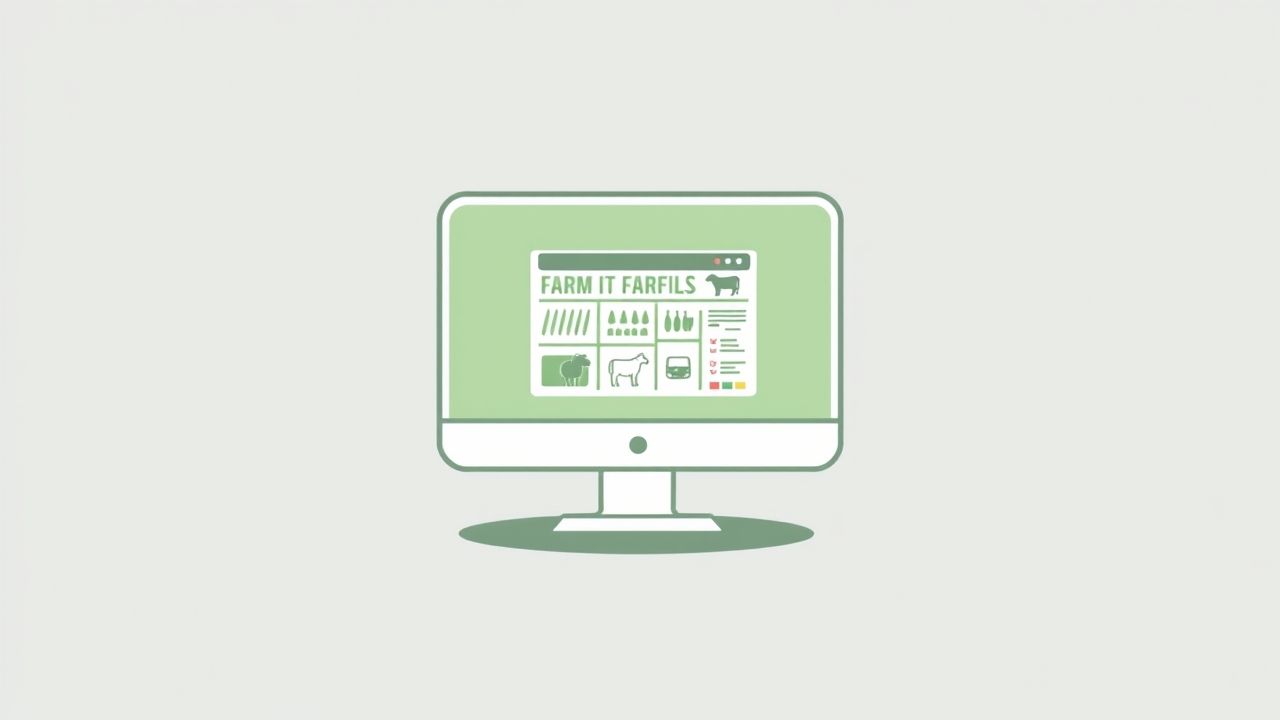
In modern agriculture, the use of technology has transformed how farms are managed and operated. One significant advancement is the introduction of computer-aided farm records. For students in Junior Secondary School 3 (JSS3), understanding the benefits of computer-aided farm records is essential in learning how technology supports agricultural development. Keeping accurate farm records helps farmers make better decisions, plan for the future, and improve productivity. When computers are used to store and manage these records, it becomes easier, faster, and more effective to organize and retrieve important information.
What Are Computer-Aided Farm Records?
Computer-aided farm records refer to the use of computers and software to record, store, and manage data related to farm activities. These records can include information on crops, livestock, equipment, expenses, sales, and more. Unlike traditional methods, such as writing in notebooks, computer-aided systems allow farmers to automate calculations, track trends, and generate useful reports with minimal effort.
Types of Farm Records Managed by Computers
- Crop production records
- Livestock records
- Financial records (income and expenses)
- Inventory and input records
- Labor and workforce management records
- Weather and soil condition data
Each of these record types plays a vital role in ensuring that farming operations are efficient and successful. With computer assistance, farmers can easily update and access their records anytime they need.
Benefits of Using Computer-Aided Farm Records
There are several advantages of using computer systems for farm record keeping. These benefits make farm management easier and help farmers stay organized and informed.
1. Improved Accuracy
Manual record keeping is prone to human errors, such as incorrect entries, miscalculations, or loss of important details. With computer-aided systems, data is entered more accurately, and calculations are performed automatically. This ensures that farm records are more reliable and consistent.
2. Easy Storage and Retrieval
Computer-aided farm records are stored digitally, which means they take up less physical space and are easier to organize. Farmers can quickly find past records without searching through piles of paper. This is especially useful for comparing data over time or checking previous decisions.
3. Better Planning and Decision Making
By analyzing trends and patterns in the farm data, farmers can make smarter decisions about planting seasons, crop rotation, livestock feeding schedules, and budgeting. For example, a farmer can look at past expenses and profits to decide which crops are more profitable and worth investing in again.
4. Time-Saving
Using a computer for farm record keeping saves time. Instead of writing everything by hand, farmers can enter data quickly and generate summaries with just a few clicks. This extra time can then be used for other important farm tasks, such as supervising workers or maintaining equipment.
5. Data Security and Backup
Digital records can be backed up on external drives or cloud storage to prevent loss due to fire, theft, or natural disasters. With proper passwords and protection, the data is also more secure than paper records, which can easily get damaged or lost.
6. Environmental Benefits
Reducing paper usage by storing data electronically helps protect the environment. It cuts down on the number of notebooks and documents that need to be printed, thus saving trees and reducing waste.
7. Financial Management
Keeping accurate income and expense records helps farmers manage their finances better. Computers can automatically calculate profits and losses, keep track of debts, and help with budgeting. This makes it easier for farmers to plan for future investments or apply for agricultural loans with proper documentation.
Role of Computer Literacy in Farm Management
To take advantage of computer-aided farm records, farmers or their assistants need basic computer skills. For JSS3 students, learning about computers and their applications in agriculture helps prepare them for future careers in farming or agribusiness. These skills include:
- Using spreadsheets for calculations and data entry
- Operating farm management software
- Understanding file storage and backup methods
- Generating reports and charts from farm data
These skills are important not just for large commercial farms, but also for small and medium-sized farms that want to improve efficiency and profitability.
Examples of Farm Management Software
Several software programs are designed specifically for agriculture. These tools offer features that support record keeping, crop planning, livestock monitoring, and financial analysis.
Popular Farm Software Tools
- AgriWebb
- FarmLogs
- Trimble Ag Software
- Farmbrite
- AgriERP
These tools can be adapted to different types of farms and often include mobile apps for convenience. While some are designed for commercial use, others are affordable and user-friendly for smallholder farmers and beginners.
Challenges and Considerations
While computer-aided farm records offer many benefits, there are also challenges to consider. These include:
- Access to computers and internet connectivity, especially in rural areas
- Initial cost of software and equipment
- Lack of computer skills among some farmers
These challenges can be addressed through government support, training programs, and school education. For example, schools can introduce agricultural computer training as part of their curriculum for JSS3 students, ensuring that the next generation of farmers is better prepared.
The Future of Technology in Farming
As technology continues to advance, farming will become even more data-driven. The use of drones, GPS systems, and artificial intelligence will work hand-in-hand with computer-aided farm records to create smart farms. These innovations will allow farmers to maximize productivity while reducing waste and environmental impact.
By learning about computer-aided farm records at an early stage, students gain the knowledge and awareness needed to adapt to modern farming methods and contribute to food security in the future.
Computer-aided farm records play a crucial role in modern agriculture. They improve accuracy, save time, support better decision-making, and help farmers manage resources more efficiently. For JSS3 students, understanding the benefits of using computers in farm management is not only educational it is a step toward embracing technology in real-world applications. As farming becomes more sophisticated, computer literacy will be essential for success in agricultural careers. With the right tools and training, computer-aided farm records can transform farming into a more productive, sustainable, and rewarding activity.