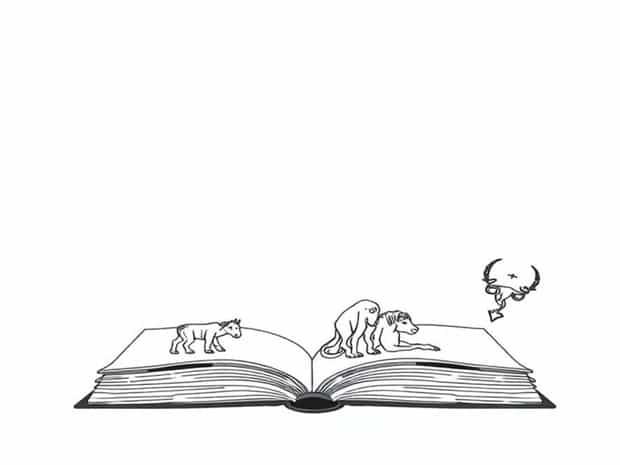
Germanic mythology has fascinated scholars, historians, and literature enthusiasts for centuries. Its rich tapestry of gods, goddesses, heroes, and epic tales offers a unique glimpse into the beliefs and cultural values of early Germanic peoples. Exploring this mythology through books allows readers to understand not only the fantastical narratives but also the social, spiritual, and historical contexts from which these stories emerged. For anyone eager to delve into the intricate world of Germanic myths, a carefully curated selection of books provides the ideal gateway into this ancient and compelling tradition.
Understanding Germanic Mythology
Before diving into specific books, it is important to grasp what Germanic mythology encompasses. Broadly speaking, it includes the myths and legends of the Germanic-speaking peoples of Northern Europe, including the Norse, Anglo-Saxons, and continental Germanic tribes. These stories were primarily transmitted orally before being documented in texts such as the Poetic Edda and Prose Edda, which remain some of the most authoritative sources. Germanic mythology addresses themes such as creation, destruction, the interplay between gods and humans, and the cyclical nature of time.
Key Themes and Figures
Some of the recurring themes in Germanic mythology include heroism, fate, and the struggle between order and chaos. Gods like Odin, Thor, and Freyja play central roles, each embodying distinct aspects of life, war, wisdom, and fertility. Additionally, mythical creatures such as giants, dwarves, and elves often influence the outcomes of events, providing both challenges and guidance to human and divine characters. Understanding these central figures and motifs can significantly enhance the reading experience when approaching books on the subject.
Essential Books on Germanic Mythology
When exploring Germanic mythology, several books stand out for their depth, accuracy, and accessibility. These texts cater to both casual readers and scholarly audiences, making them ideal for anyone seeking to learn more about these ancient traditions.
The Poetic Edda
The Poetic Edda is a cornerstone of Norse literature and a critical resource for anyone studying Germanic mythology. This collection of Old Norse poems includes heroic legends, mythological narratives, and wisdom literature. Notable tales such as the story of Ragnarok, the end of the world, and the adventures of gods like Odin and Thor, are preserved here. Modern translations, accompanied by detailed commentary, make the Poetic Edda accessible to contemporary readers.
The Prose Edda by Snorri Sturluson
Written in the 13th century, the Prose Edda is another foundational text that provides an organized account of Norse mythology. Snorri Sturluson, an Icelandic historian and poet, compiled myths and stories with the intention of preserving the poetic tradition. The text also offers guidance on skaldic poetry, making it valuable for understanding both literary form and content. Readers gain insights into the cosmology, deities, and heroic sagas of the Germanic world.
Gods and Myths of Northern Europe by H.R. Ellis Davidson
For those seeking a more analytical approach, H.R. Ellis Davidson’s work provides a thorough examination of Norse and Germanic myths within their historical and cultural context. The book explores religious practices, symbolism, and the social role of myth in early Germanic societies. Davidson’s accessible writing style ensures that even readers new to mythology can follow the complex narratives and themes without difficulty.
Germanic Mythology by Jacob Grimm
Jacob Grimm, better known for his fairy tales, was also a pioneering scholar in the field of philology and mythology. His book, Germanic Mythology, compiles extensive research on the legends, rituals, and linguistic traces of the Germanic peoples. Grimm’s work is notable for its rigorous scholarship, tracing the evolution of myths and offering comparisons with other Indo-European traditions. This text is particularly valuable for readers interested in the academic study of mythology.
Modern Interpretations and Retellings
While traditional sources provide foundational knowledge, contemporary authors have also contributed to the exploration of Germanic mythology. These modern books often reinterpret myths for today’s audience, blending historical insight with imaginative storytelling.
Norse Mythology by Neil Gaiman
Neil Gaiman’s Norse Mythology retells classic stories in an engaging and readable format. The book introduces readers to gods, giants, and heroes with a narrative flair that makes ancient myths feel vivid and alive. While not an academic text, Gaiman’s work captures the essence of the original myths, making it a perfect introduction for casual readers and young adults.
The Norse Myths by Kevin Crossley-Holland
Kevin Crossley-Holland offers another compelling modern retelling of Norse and Germanic myths. His book includes thorough introductions to each story, situating the tales within their cultural and historical contexts. The clear language and careful organization make it an excellent resource for both study and leisure reading, providing a bridge between scholarly sources and accessible storytelling.
Supplementary Resources and Guides
In addition to primary texts and modern retellings, several supplementary books help readers deepen their understanding of Germanic mythology. These include dictionaries, encyclopedias, and thematic studies.
-
The Viking Spiritby Daniel McCoy This book explores the spiritual and mythological dimensions of Norse culture, highlighting the significance of myths in everyday life and religious practice.
-
Norse Mythology A Guide to Gods, Heroes, Rituals, and Beliefsby John Lindow Lindow provides a comprehensive reference to the figures, stories, and rituals of Germanic mythology, making it an essential companion for students and enthusiasts.
-
The Norse Myths Stories of the Norse Gods and Heroesby Carolyne Larrington Combining translations of primary sources with insightful commentary, this book serves as both a narrative collection and an analytical study.
Tips for Reading Germanic Mythology
Reading books on Germanic mythology can be both rewarding and challenging. The language, symbolism, and cultural references often require careful attention. Here are some tips to enhance your experience
-
Start with accessible translations or modern retellings before tackling original texts.
-
Keep a glossary of gods, heroes, and mythical creatures for easy reference.
-
Compare different sources to understand variations in the stories.
-
Consider the historical and cultural context to fully appreciate the significance of each myth.
-
Engage with visual and artistic interpretations, such as illustrations and museum exhibits, to deepen your understanding of mythological imagery.
Books on Germanic mythology offer a rich exploration of ancient beliefs, heroic tales, and divine narratives. From foundational texts like the Poetic Edda and Prose Edda to modern retellings by authors such as Neil Gaiman, there is a wealth of material for readers of all interests. Whether you are drawn to academic analysis, literary storytelling, or cultural history, studying Germanic mythology through books provides a fascinating journey into the minds and imaginations of early Germanic peoples. By exploring these texts, readers not only gain knowledge of myths and legends but also develop a deeper appreciation for the enduring influence of Germanic culture on modern literature, art, and spiritual thought.