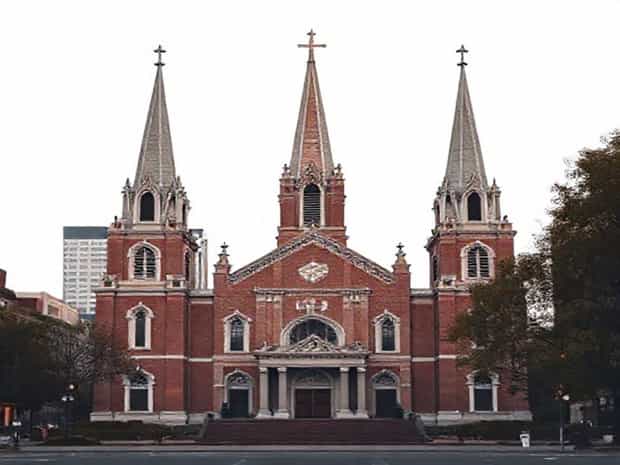
Boston’s grandiose Trinity Church is more than just a religious building; it is a cultural landmark and a masterpiece of architecture that has captivated visitors for over a century. Nestled in Copley Square, the church stands as a symbol of the city’s rich history and artistic vision. Its striking Romanesque Revival design, intricate details, and spiritual atmosphere make it one of Boston’s most celebrated landmarks. Travelers, historians, and architecture enthusiasts alike often include a visit to Trinity Church on their itineraries, drawn by its timeless beauty and enduring influence.
The Historical Significance of Trinity Church
Trinity Church holds a prominent place in Boston’s history, not only as a place of worship but also as a representation of the city’s post-Civil War spirit. Constructed between 1872 and 1877, it was designed by renowned architect Henry Hobson Richardson. The building’s completion marked the rise of a new architectural style, known as Richardsonian Romanesque, which went on to influence countless buildings across the United States.
A Community Landmark
The church was originally built to serve Boston’s growing Episcopal community, but it quickly became much more than a house of worship. It evolved into a gathering place for civic and cultural life, hosting lectures, concerts, and important public events. Its location in Copley Square, surrounded by other significant landmarks such as the Boston Public Library, further reinforced its role as a centerpiece of urban life.
Architectural Brilliance of Trinity Church
One of the reasons Trinity Church stands out is its distinctive design. Richardson’s approach was bold for the time, blending massive stonework with decorative elements that gave the building a unique identity. Its style came to be seen as a distinctly American interpretation of Romanesque architecture.
Exterior Features
- Stone FacadeThe church is built with granite, sandstone, and limestone, creating a textured and colorful exterior that has aged gracefully over time.
- Central TowerRising above the building, the square tower is a defining feature of the design, lending the structure both strength and elegance.
- Decorative CarvingsIntricate stone carvings, arches, and recessed doorways showcase the craftsmanship of the builders and add to the church’s visual richness.
Interior Beauty
The inside of Trinity Church is equally magnificent. Upon entering, visitors are greeted by an expansive open space filled with warmth and color. Unlike many Gothic churches that emphasize verticality, Richardson designed Trinity to draw the eye horizontally, giving it a grounded and welcoming atmosphere.
- MuralsThe interior walls are adorned with murals painted by John La Farge, an innovative artist whose use of color and symbolism elevated the church’s spiritual impact.
- Stained Glass WindowsLight streams through vibrant stained glass, some of which were designed by famous artists including La Farge himself and later additions by Tiffany & Co.
- WoodworkBeautifully carved wooden pews and decorative details create a balance between artistry and function.
The Role of John La Farge
La Farge’s murals within Trinity Church are often regarded as some of the most significant examples of American religious art in the 19th century. His innovative use of color, combined with symbolic imagery, transformed the church’s interior into a visual narrative of faith. These murals set a new standard for religious art in the United States and contributed to the church’s reputation as both a spiritual and artistic treasure.
Trinity Church in Copley Square
The church’s placement in Copley Square is no accident. Surrounded by cultural and academic institutions, it contributes to the square’s role as a hub of intellectual and artistic life in Boston. Today, visitors can admire the contrast between Trinity Church’s Romanesque design and the modern glass facade of the John Hancock Tower nearby. This juxtaposition of old and new creates one of the most iconic cityscapes in Boston.
Recognition and Preservation
Trinity Church is not only admired locally but also recognized nationally and internationally. It has been consistently listed as one of the most important buildings in America and has received preservation efforts to ensure its continued vitality.
National Historic Landmark
In 1970, Trinity Church was designated a National Historic Landmark, cementing its place as one of the finest examples of American architecture. This recognition ensures that preservation efforts remain a priority for future generations.
Restoration Projects
Over the years, Trinity Church has undergone several restoration efforts. These projects have addressed structural concerns, preserved La Farge’s murals, and updated facilities to meet modern needs without compromising historical integrity. Such efforts highlight Boston’s dedication to maintaining this cultural treasure.
Trinity Church as a Tourist Attraction
Visitors from around the world flock to Boston’s grandiose Trinity Church not only for its religious services but also to experience its architectural and cultural significance. The church offers guided tours, providing insight into its history, design, and role in the community. For those interested in architecture, it serves as a living textbook of Romanesque Revival style, while art enthusiasts can marvel at La Farge’s masterpieces.
Events and Community Programs
Trinity Church remains a vibrant community center, hosting music performances, educational programs, and charitable activities. Its outreach and inclusivity continue to reflect the spirit of service and engagement envisioned by its founders. Seasonal events, such as holiday services and concerts, attract large audiences and further cement the church’s place in Boston’s cultural calendar.
Why Trinity Church Matters Today
In an era of modern skyscrapers and rapid urban development, Trinity Church stands as a reminder of Boston’s heritage. Its enduring beauty and significance show how architecture can shape a city’s identity and foster a sense of community. For locals, it remains a place of faith and gathering. For visitors, it is an inspiring destination that combines history, art, and spirituality in one remarkable building.
Boston’s grandiose Trinity Church is much more than a religious site it is a landmark that embodies the city’s cultural, historical, and artistic achievements. From its groundbreaking Richardsonian Romanesque design to its breathtaking interior murals and stained glass, every detail tells a story of creativity and devotion. Whether you are an architecture enthusiast, a history lover, or simply a curious traveler, a visit to Trinity Church offers a profound experience that connects the past with the present. As one of Boston’s crown jewels, Trinity Church continues to inspire awe, cementing its place as an essential part of the city’s identity.