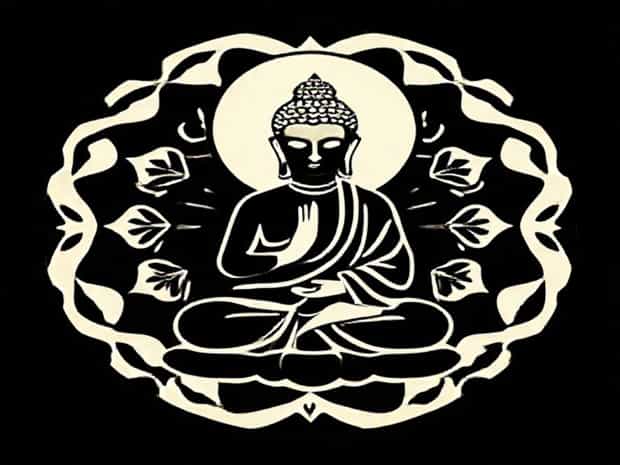
Buddhism is often misunderstood in discussions about theism, as it does not conform neatly to the typical categories of monotheism or polytheism found in Western religions. Instead, Buddhism presents a unique perspective on divinity, ultimate reality, and spiritual authority. While some Buddhist traditions include reverence for divine beings, the core teachings of Buddhism focus on self-realization, ethical conduct, and the attainment of enlightenment. Understanding the type of theism present in Buddhism requires exploring its historical development, doctrinal nuances, and the ways in which different schools interpret the existence and role of gods.
The Concept of Theism in Buddhism
In classical Western thought, theism generally implies belief in a supreme, personal God who actively governs the universe. Buddhism, however, does not emphasize a creator deity who commands moral obedience or dictates human destiny. Instead, Buddhist teachings center on the Dharma the universal law of truth and ethical practice and the individual’s path toward Nirvana. While theism in Buddhism is not central, the religion acknowledges the existence of various divine beings known as devas, bodhisattvas, and celestial figures, who inhabit higher realms but are not ultimate sources of salvation.
Non-Theistic Foundations
At its core, Buddhism is considered non-theistic because it does not posit an omnipotent God responsible for creation or judgment. The Buddha himself discouraged speculative metaphysical questions about the origin of the universe and the nature of a supreme deity, focusing instead on practical methods to reduce suffering (dukkha) and attain enlightenment. The Four Noble Truths and the Eightfold Path outline a path for human transformation independent of divine intervention, emphasizing personal responsibility and ethical action.
Forms of Theism in Buddhist Traditions
Although Buddhism is primarily non-theistic, various traditions incorporate theistic elements, creating a complex spectrum of belief
Mahayana Buddhism
Mahayana Buddhism, particularly in East Asia, often includes devotional practices directed toward celestial bodhisattvas and Buddhas such as Amitabha, Avalokiteshvara, and Ksitigarbha. These figures are revered for their compassion and spiritual power, and practitioners may pray to them for guidance, protection, or assistance. While these practices may resemble theism, the focus remains on personal cultivation and ethical conduct rather than unconditional reliance on a creator god.
Vajrayana Buddhism
In Vajrayana or Tibetan Buddhism, theism is manifested through a rich pantheon of enlightened deities and ritual practices. Devotional exercises, mantras, and visualization techniques involve invoking these deities to aid in spiritual progress. Yet, these figures are often understood as manifestations of enlightened qualities rather than independent gods who dictate human fate. The ultimate aim remains the realization of one’s own Buddha-nature.
Theravada Buddhism
Theravada Buddhism, prevalent in Southeast Asia, emphasizes a more austere, non-theistic approach. While devas and other supernatural beings are acknowledged, they are considered impermanent and subject to karma, much like humans. Prayer or offerings to these beings is viewed more as a supportive practice rather than an appeal to a supreme deity. The emphasis remains on individual practice, meditation, and ethical living as the path to liberation.
Theological Implications
The presence of deities and celestial beings in some Buddhist traditions can create confusion about theism in Buddhism. These figures serve several purposes
- SymbolicRepresent qualities such as compassion, wisdom, and protection, guiding practitioners in their spiritual development.
- DidacticProvide moral and ethical examples, reinforcing the teachings of the Buddha.
- SupportiveServe as focal points in meditation and ritual, aiding concentration and spiritual discipline.
Even with these divine figures, ultimate authority resides not in any god, but in the Dharma and the practitioner’s effort toward enlightenment. This positions Buddhism as a distinctive form of religious thought, blending non-theistic philosophy with devotional and theistic practices in a way that is unique among world religions.
Buddhism Compared to Other Religions
Unlike monotheistic religions such as Christianity, Islam, or Judaism, Buddhism does not emphasize a creator god or divine commandment. Unlike polytheistic religions, where gods often intervene in human affairs, Buddhist deities are typically revered as exemplars or beings who have achieved higher spiritual states. This creates a spectrum from non-theism to devotional theism, reflecting the diversity within Buddhist practice and interpretation.
Practical Aspects of Theism in Buddhism
In everyday practice, the presence of theistic elements manifests in rituals, prayers, and festivals. Devotional offerings to Bodhisattvas, chanting of mantras, and temple ceremonies can be seen as expressions of a quasi-theistic element. However, these acts are primarily intended to cultivate mindfulness, ethical behavior, and compassion, rather than secure favor from a supreme deity. The ultimate goal remains self-liberation and enlightenment, distinguishing Buddhist theism from theism centered on divine authority.
Buddhism presents a nuanced understanding of theism that challenges conventional categories. While primarily non-theistic in its philosophical foundation, it accommodates theistic practices through reverence for celestial beings, bodhisattvas, and Buddhas. These figures serve symbolic, ethical, and supportive roles in the practitioner’s spiritual journey. Understanding Buddhism as a type of theism requires recognizing its distinctive approach the focus is on human effort, ethical cultivation, and enlightenment, with divine figures functioning as guides rather than ultimate authorities. This unique perspective allows Buddhism to offer both non-theistic philosophical depth and devotional richness, appealing to a diverse range of spiritual seekers worldwide.