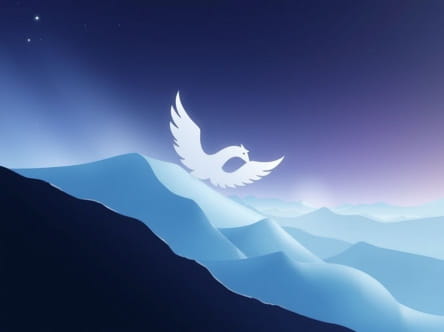
When John Keats wrote the line But on the viewless wings of Poesy, he was not merely describing poetic imagination he was giving it flight. This phrase appears in his famous Ode to a Nightingale, a work that reflects the power of the human mind to escape the physical world and transcend reality through the force of poetic inspiration. The idea that poetry could transport someone to an ethereal place without the need for physical motion became a powerful metaphor that resonated through centuries of literary tradition. In this topic, we explore the meaning, context, and significance of this line, as well as its broader implications in the realm of literature and human imagination.
The Origin of the Phrase
John Keats and the Romantic Movement
John Keats was one of the leading figures of the second generation of Romantic poets, alongside Shelley and Byron. The Romantics were deeply invested in the power of nature, the spirit, emotion, and imagination. In Ode to a Nightingale, Keats explores themes of mortality, art, and transcendence, using the nightingale’s song as a symbol of timeless beauty and poetic inspiration. The line But on the viewless wings of Poesy appears as he longs to escape the pains of life through his own creative powers.
Meaning of Viewless Wings of Poesy
The phrase suggests that poetry has wings but these wings are viewless, meaning invisible. Unlike physical wings that take a bird through the sky, the wings of poetry carry the mind into the realm of imagination. This beautifully illustrates the Romantic idea that poetry and imagination have a kind of divine or spiritual ability to lift the soul beyond the physical world.
The Function of Poetry as Escape
The Struggle with Mortality
In the lines preceding the phrase, Keats is overwhelmed by the awareness of human suffering and the inevitability of death. He wishes for a draught of wine or a drug that might take him away. But he realizes that instead of physical means, his escape can come through poesy poetic inspiration. This highlights the therapeutic and even transcendent function of poetry for Keats and others in the Romantic tradition.
Contrasting Reality with Imagination
Keats draws a stark line between the heaviness of real life and the freeing power of imagination. The nightingale becomes a metaphor for something eternal and untouched by time, while the poet remains trapped in a world of decay. But poetry offers a bridge. On its viewless wings, Keats can briefly cross over into that other, purer world even if only in thought.
Influence on Later Literature
A Symbol of Creative Freedom
The idea of the viewless wings of Poesy has influenced countless writers and poets after Keats. The phrase evokes not just a moment of inspiration, but a kind of spiritual flight. Writers across generations have adopted this image to describe how art especially poetry can lift us out of ourselves, providing a temporary escape from suffering, or insight into beauty and truth.
Imagination as a Transporting Force
Writers like T.S. Eliot, W.B. Yeats, and even modern fantasy authors have relied on the concept of imagination as a mode of travel. From stepping through the wardrobe in Narnia to flying over Hogwarts, the idea that stories can transport us elsewhere remains rooted in the same impulse Keats expressed. The viewless wings may not be seen, but they are certainly felt by readers and creators alike.
Deeper Philosophical Themes
Invisibility as Power
There is significance in the wings being viewless. What cannot be seen is often more powerful because it is not bound by physical limitations. Just as faith or love is not seen but deeply experienced, so too is poetry. Keats might be suggesting that the truest powers are intangible they work within us, altering our perception and allowing us to transcend without leaving the room.
The Role of Art in Human Experience
But on the viewless wings of Poesy also raises questions about the purpose of art. Is it merely decorative, or does it serve as a vital psychological and emotional tool? Keats seems to answer this clearly poetry is a means of understanding and enduring life. When the material world becomes too difficult, the creative spirit allows us to take refuge, even briefly, in beauty.
Relevance in Today’s World
Modern Applications of Poesy
In today’s fast-paced, technology-driven society, the notion of escape through poetry may seem antiquated to some. Yet the same idea is present in how people lose themselves in books, music, films, or even virtual reality. Keats’ vision of being lifted by art still resonates perhaps even more strongly as people search for meaning, peace, and inspiration amid daily stress and uncertainty.
Educational and Emotional Impacts
Educators and therapists alike have recognized the value of poetry and imagination. Students who engage with poetry learn to see the world through different lenses, while those suffering from trauma or stress often find comfort in expressing themselves through verse. The viewless wings still offer passage to healing and perspective.
Legacy of Keats’ Line
Memorable Language and Enduring Impact
What makes the phrase on the viewless wings of Poesy so memorable is not just its sound or poetic quality, but the universal truth it captures. Poetry and by extension, all art offers a form of flight, a way to break the bonds of time and place. Even if for a fleeting moment, the soul is free.
Why It Still Matters
Keats died young, yet he understood something about the human spirit that continues to inspire. His ode, and particularly this line, remind us that even in our darkest or most ordinary hours, we have the capacity to imagine something better, something beyond. That is the quiet, invisible strength of poetry its ability to transport us, uplift us, and remind us of our deepest truths.
But on the viewless wings of Poesy is more than just a poetic flourish it is a profound statement about the human condition and our need for escape, beauty, and transcendence. In just a few words, Keats captures the essence of what it means to be inspired and to use that inspiration to rise above the weight of reality. Whether you are a poet, reader, dreamer, or thinker, these invisible wings are available to all who seek them and they carry us still.