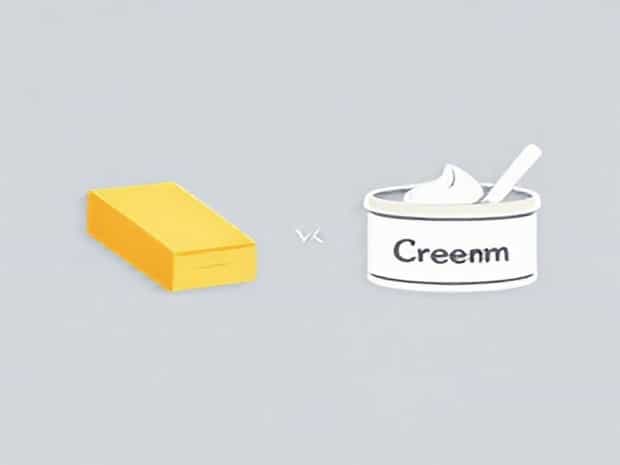
Butter and clotted cream are two iconic dairy products that have been cherished in kitchens around the world for centuries. While they may seem similar at first glance, their production methods, textures, flavors, and uses differ significantly. Understanding the differences between butter and clotted cream can help culinary enthusiasts, home cooks, and food lovers make informed choices when preparing traditional dishes, indulgent desserts, or classic British afternoon teas. Both have unique qualities that lend themselves to specific culinary applications, making it important to distinguish one from the other for the best taste and texture.
What is Butter?
Butter is a widely used dairy product made by churning cream until the fat separates from the buttermilk. The resulting product is a smooth, solid fat that is rich in flavor and versatile in the kitchen. Butter contains approximately 80% milk fat, with the remaining portion consisting of water and milk solids. Depending on the style, butter can be salted or unsalted, cultured or sweet cream, each offering subtle differences in taste. It has been a staple in baking, cooking, and spreading for centuries, valued for its ability to enhance flavor, texture, and moisture in dishes.
What is Clotted Cream?
Clotted cream, on the other hand, is a thick, creamy product traditionally made from unpasteurized full-fat cow’s milk. The cream is gently heated and then left to cool slowly, allowing the fat to rise to the top and form clots or a thick layer. This method produces a rich, creamy texture with a distinct nutty and slightly sweet flavor. Clotted cream contains a higher fat content than butter, often around 55-60% fat, which gives it a luxurious mouthfeel. It is an essential component of traditional British cream teas, typically served with scones and jam, and is less commonly used in cooking or baking due to its delicate texture.
Texture and Consistency
The texture and consistency of butter and clotted cream differ markedly. Butter is firm and spreadable when chilled, but softens at room temperature. Its smooth and creamy texture allows it to be used in a variety of applications, including baking, frying, and spreading. Clotted cream, in contrast, is thick, spoonable, and almost custard-like. It has a slightly grainy surface on top due to the clots formed during the heating process. Its richness and thickness make it ideal for topping scones, desserts, and fruits, but less practical for general cooking or baking purposes where a consistent fat distribution is required.
Flavor Profiles
Butter and clotted cream also differ in flavor. Butter has a mild, creamy taste that can range from slightly sweet to subtly tangy depending on whether it is salted or cultured. Its flavor enhances both sweet and savory dishes, making it extremely versatile. Clotted cream, however, has a richer, more decadent flavor, often described as nutty and slightly caramelized. The slow heating process develops these complex flavors, making clotted cream a luxurious addition to desserts, pastries, and afternoon teas. While butter blends seamlessly into recipes, clotted cream is generally enjoyed as a topping or accompaniment to highlight its unique taste.
Nutritional Differences
From a nutritional standpoint, butter and clotted cream have some differences. Butter is high in saturated fat and calories, with a moderate amount of fat-soluble vitamins such as A, D, E, and K. It is often considered an energy-dense ingredient suitable for flavoring and baking. Clotted cream, with its higher fat content, is even more calorie-rich and contains significant amounts of saturated fat. While both should be consumed in moderation, clotted cream is usually enjoyed in smaller quantities due to its richness, whereas butter is incorporated more broadly into cooking and baking.
Culinary Uses of Butter
Butter is a staple in kitchens worldwide because of its versatility. Some common culinary uses include
- Spreading on bread, toast, or muffins.
- Baking cakes, cookies, pastries, and other baked goods.
- Cooking and sautéing vegetables, meats, and sauces.
- Adding flavor and moisture to mashed potatoes, pasta dishes, and risottos.
- Finishing sauces, soups, and pan-seared meats for a glossy, rich texture.
Its adaptability in both sweet and savory dishes makes butter an indispensable ingredient in many cuisines, capable of enhancing flavor and texture in almost any recipe.
Culinary Uses of Clotted Cream
Clotted cream is traditionally associated with British afternoon tea, particularly when paired with scones and jam. Its thick and luxurious texture makes it ideal for spooning over baked goods and desserts rather than incorporating into cooked dishes. Common uses include
- Topping scones with strawberry or raspberry jam.
- Serving alongside fruit tarts, crumbles, or pies.
- Enhancing puddings or custards with a dollop of cream.
- Using as a decadent garnish for pancakes, waffles, or crepes.
- Occasionally served with savory dishes that benefit from a rich, creamy accent.
Clotted cream’s luxurious mouthfeel and flavor are best appreciated when eaten fresh and served cold or at room temperature, highlighting its distinctive richness.
Butter vs Clotted Cream in Traditional British Cuisine
In traditional British cuisine, both butter and clotted cream hold important roles. Butter is essential in baking, cooking, and everyday spreading, providing flavor and texture across a wide range of dishes. Clotted cream, however, occupies a ceremonial and indulgent niche, often reserved for afternoon teas and special occasions. Its use is more focused and celebratory, while butter is versatile and foundational. Understanding when to use each product is key to achieving authentic British flavors and textures in both classic and modern recipes.
Storage and Shelf Life
Butter and clotted cream differ in terms of storage and shelf life. Butter can be stored in the refrigerator for several weeks and can also be frozen for longer periods. Salted butter typically lasts longer than unsalted due to its preservative qualities. Clotted cream, being a high-moisture, high-fat product, has a shorter shelf life and should be consumed within a few days of opening. It is best stored in the refrigerator and served cold to preserve its texture and flavor. Proper storage ensures both products maintain their quality and taste for optimal use.
In summary, while butter and clotted cream may appear similar as creamy dairy products, their differences in production, texture, flavor, and culinary use are significant. Butter is versatile, mild, and integral to a wide variety of dishes, both sweet and savory. Clotted cream is thick, indulgent, and traditionally used as a topping or accompaniment in desserts and British afternoon teas. Nutritionally, both are high in fat, with clotted cream being richer, making moderation key. By understanding these distinctions, food enthusiasts can appreciate the unique qualities of each product and use them appropriately to enhance flavor, texture, and presentation in their cooking and dining experiences.
Whether choosing butter for everyday cooking or clotted cream for a special treat, both offer a taste of dairy craftsmanship that has been perfected over centuries. Recognizing the differences between butter and clotted cream allows for better culinary decisions, ensuring that each dish reaches its full potential in flavor, texture, and tradition.