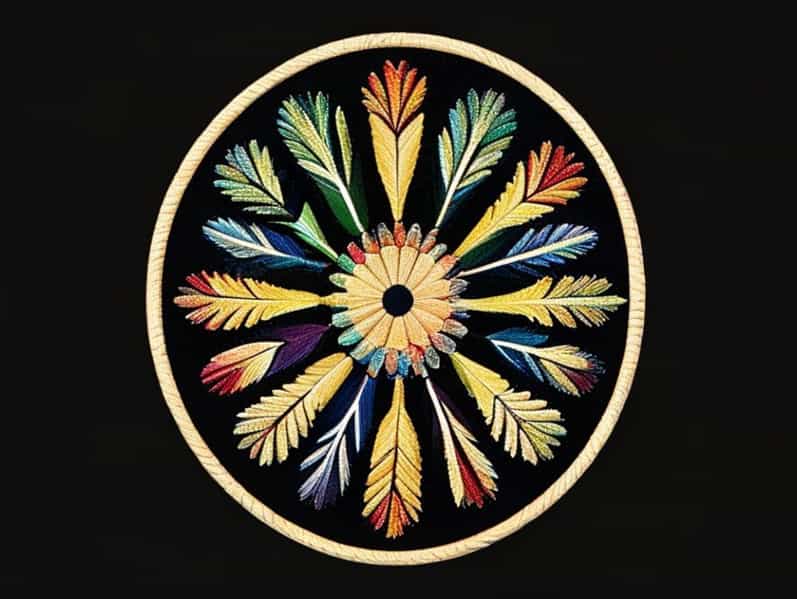
California Indian basketry is often described as one of the most sophisticated and beautiful basket-making traditions in the world. When people speak about California Indian basketry icons of the florescence, they are referring to a remarkable period when basket weaving reached extraordinary artistic, technical, and cultural heights among Native communities in California. These baskets were not only everyday tools but also powerful symbols of identity, knowledge, and creativity passed down through generations.
The Meaning of Florescence in California Indian Basketry
The term florescence refers to a period of flourishing or peak achievement. In the context of California Indian basketry, it describes a time when weaving traditions were vibrant, diverse, and deeply embedded in daily life. This period occurred before and during early contact with European settlers, when Indigenous communities maintained strong cultural systems.
During this florescence, baskets were produced in large numbers and with exceptional skill. Each tribe developed distinctive styles, materials, and patterns that reflected local environments and cultural values.
Why Basketry Was Central to California Indian Life
Basketry was essential to survival and social organization. California Indian baskets were used for cooking, storage, gathering food, fishing, ceremonies, and trade. Because pottery was rare in many regions, baskets fulfilled many roles that ceramics served elsewhere.
This practical importance encouraged constant innovation and refinement, leading to the creation of basketry icons that represented the highest level of craftsmanship.
Baskets as Living Knowledge
Every basket carried knowledge about plants, seasons, and techniques. Weavers understood which roots, grasses, and reeds to harvest and how to prepare them for weaving.
This deep ecological understanding contributed to the beauty and durability of the baskets.
Materials That Defined the Art
California Indian basketry relied on locally sourced natural materials. The choice of materials shaped the appearance and function of each basket.
- Willow shoots for structure
- Sedge roots for fine weaving
- Redbud for decorative color
- Bracken fern for dark patterns
The careful selection and preparation of these materials were essential to achieving the refined results seen in basketry icons of the florescence.
Regional Diversity in Basketry Styles
California is home to many Indigenous nations, each with its own basketry traditions. The florescence of basketry did not produce a single style, but a rich diversity of forms.
Northern California groups often favored tightly woven, detailed baskets, while Central and Southern California tribes developed bold patterns and distinctive shapes.
Distinctive Tribal Expressions
Groups such as the Pomo, Yokuts, Miwok, Chumash, and Hupa are widely recognized for their basketry excellence. Each community developed unique techniques that became cultural identifiers.
These distinctive expressions are what make California Indian basketry so celebrated.
Icons of the Florescence
When scholars refer to icons of the florescence, they often mean exceptional baskets that demonstrate mastery of form, design, and technique. These baskets stand out not because they were rare, but because they represent the highest standards of their tradition.
Such baskets often feature intricate geometric patterns, precise stitching, and harmonious color balance.
Symbolism in Design
Patterns were not purely decorative. Many designs carried symbolic meanings related to nature, spiritual beliefs, or social roles.
Understanding these symbols adds depth to the appreciation of California Indian basketry.
The Role of Women in Basketry Traditions
Basket weaving was primarily practiced by women, who were respected as artists and knowledge keepers. Skills were passed from mothers to daughters through observation and practice.
Master weavers gained recognition within and beyond their communities, especially during the florescence period.
Basketry as a Measure of Skill and Status
The quality of a basket often reflected the skill and experience of its maker. Finely woven baskets could take months or even years to complete.
Such baskets were valued possessions and sometimes used in ceremonies or as gifts to mark important events.
Impact of Colonization on Basketry
The arrival of European settlers disrupted Indigenous life and basketry traditions. Land loss, forced relocation, and cultural suppression reduced access to materials and traditional knowledge.
Despite these challenges, many weavers continued their work, adapting to new circumstances while preserving core techniques.
Transition From Daily Use to Artistic Recognition
As traditional lifestyles were disrupted, baskets began to be appreciated as art objects by collectors and museums.
This shift helped preserve many basketry icons, though it also changed their cultural context.
Preservation of Basketry Knowledge
Today, efforts are underway to revitalize California Indian basketry. Tribal programs, workshops, and cultural centers support new generations of weavers.
These efforts aim to reconnect basketry with its cultural roots rather than treating it solely as historical art.
Why California Indian Basketry Still Matters
California Indian basketry icons of the florescence continue to inspire admiration because they represent resilience, creativity, and deep environmental knowledge.
They remind us that art and utility can coexist, and that cultural traditions hold lasting value.
The Influence on Modern Art and Design
Modern artists and designers often draw inspiration from traditional basketry patterns and techniques. The visual language of California Indian basketry has influenced textiles, architecture, and contemporary art.
This influence shows how the florescence continues to shape creative expression today.
Understanding Basketry Beyond Museums
While many basketry icons are housed in museums, their true meaning comes from understanding the communities that created them.
They are not relics of a lost past, but expressions of living cultures.
California Indian basketry icons of the florescence represent a remarkable achievement in human creativity. They reflect a time when weaving traditions flourished, supported by strong cultural values and deep environmental knowledge.
By appreciating these baskets not only as beautiful objects but as carriers of history and identity, we honor the Indigenous communities who created them and continue to keep their traditions alive.