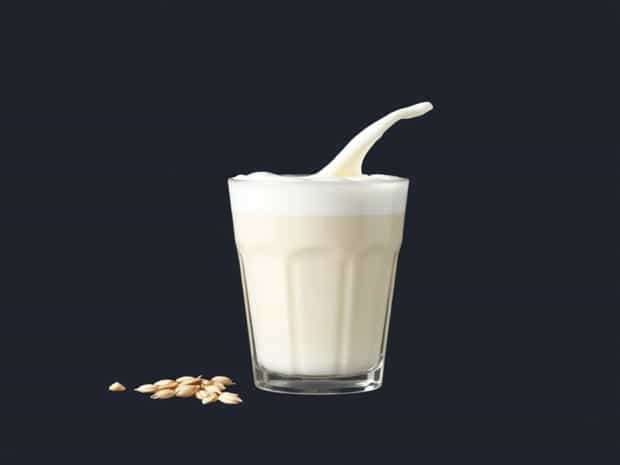
Oat milk has quickly become one of the most popular plant-based milk alternatives, loved for its creamy texture, mild flavor, and versatility in coffee, smoothies, and cooking. One of the most common questions among coffee enthusiasts and home baristas is whether oat milk can be frothed like traditional dairy milk. Frothing oat milk is possible, but it requires understanding its unique composition, selecting the right type of oat milk, and using the proper frothing techniques. When done correctly, oat milk can produce a rich, velvety foam that enhances lattes, cappuccinos, and other espresso-based drinks.
Understanding Oat Milk
Oat milk is made by blending oats with water and then straining the mixture to create a smooth liquid. Unlike cow’s milk, it has a lower protein content but contains natural sugars and beta-glucans that give it a creamy consistency. This unique composition makes oat milk suitable for frothing, although the foam may behave differently compared to dairy or other plant-based alternatives like soy or almond milk. Choosing the right oat milk with added stabilizers or barista versions can significantly improve frothing results.
Can You Froth Oat Milk?
The short answer is yes, oat milk can be frothed, but achieving stable foam requires attention to temperature, technique, and the specific brand or type of oat milk. Regular oat milk can froth, but it tends to produce larger bubbles that dissipate quickly. Barista-style oat milk, which is formulated with additional fats and emulsifiers, creates creamier and more stable microfoam, making it ideal for lattes, cappuccinos, and latte art. Understanding these differences helps home baristas choose the best option for frothing.
Types of Oat Milk for Frothing
Not all oat milks are created equal when it comes to frothing. Some varieties work better than others depending on your desired texture and beverage
- Regular oat milkSuitable for light froth but may separate quickly in hot coffee.
- Barista oat milkEnhanced with oils or stabilizers to create rich, long-lasting microfoam.
- Unsweetened vs. sweetenedSweetened oat milk may caramelize slightly under heat, affecting flavor and froth stability.
Frothing Oat Milk with a Steam Wand
One of the most effective ways to froth oat milk is using a steam wand on an espresso machine. This method introduces air and heat simultaneously, producing a smooth, velvety foam. To froth oat milk using a steam wand
- Pour cold oat milk into a frothing pitcher, filling it no more than halfway to allow room for expansion.
- Submerge the steam wand just below the surface and turn it on, creating a whirlpool effect.
- Stretch the milk by allowing small amounts of air to enter for the first few seconds, then fully submerge the wand to heat the milk evenly.
- Heat to around 140-150°F (60-65°C), avoiding excessive temperature that can break down the oat milk proteins.
- Tap the pitcher gently and swirl to remove large bubbles, producing a smooth, creamy foam suitable for pouring over espresso.
Using a Handheld Frother or Electric Frother
If you don’t have a steam wand, a handheld frother or an electric frother can also create satisfactory oat milk foam. These tools are convenient for home use
- Pour cold or slightly warmed oat milk into a frothing cup.
- Use the frother to whisk the milk, moving it gently up and down until foam forms.
- Electric frothers may also heat the milk while frothing, producing a warm, creamy foam.
While handheld and electric frothers may not produce the same microfoam as a steam wand, they are practical alternatives for everyday coffee preparation.
Tips for Frothing Oat Milk
- Use fresh, cold oat milk for best results, as older milk tends to froth less effectively.
- Choose barista versions of oat milk for stable, creamy foam suitable for latte art.
- Do not overheat oat milk; excessive heat can cause separation and reduce froth stability.
- Swirl or tap the frothing pitcher after frothing to eliminate large bubbles and achieve a smooth texture.
- Experiment with different brands and types, as protein content and additives affect froth quality.
Frothing Oat Milk for Different Beverages
Oat milk can be frothed for various drinks, offering a creamy and dairy-free alternative
- LattesSmooth microfoam blends well with espresso, creating a velvety mouthfeel.
- CappuccinosFoam rises above the cup’s surface, providing a light, airy texture.
- MacchiatosA thin layer of frothed oat milk complements espresso shots without overpowering flavor.
- Hot chocolateFrothing oat milk adds creaminess and helps blend cocoa powder evenly.
Common Challenges When Frothing Oat Milk
Frothing oat milk may not always be straightforward, especially for beginners. Some common challenges include
- Foam collapsingOat milk foam can dissipate quickly if over-stretched or overheated.
- Large bubblesRegular oat milk may produce uneven bubbles that require tapping and swirling to smooth out.
- SeparationHeating too rapidly can cause proteins and liquids to separate, reducing foam stability.
Being aware of these challenges allows baristas and home enthusiasts to adjust technique, temperature, and milk choice for the best results.
Frothing oat milk is not only possible but can produce creamy, delicious foam suitable for a wide range of coffee drinks and beverages. Choosing the right type of oat milk, such as barista versions, and using proper techniques with a steam wand, handheld frother, or electric frother ensures consistent results. Attention to temperature, milk freshness, and gentle frothing methods helps create a smooth, velvety foam that rivals dairy milk. By understanding how oat milk behaves during frothing, coffee lovers can enjoy dairy-free lattes, cappuccinos, and other frothy beverages with ease and confidence, expanding the possibilities for plant-based coffee creations.