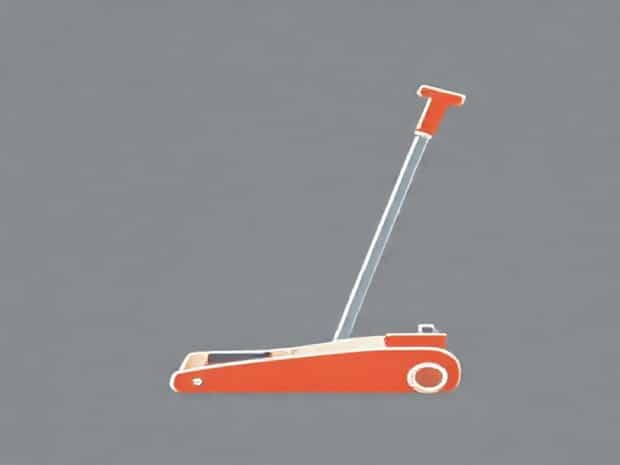
When working on cars or heavy equipment, a floor jack is one of the most reliable tools for lifting vehicles safely. It operates using hydraulic pressure created by jack oil inside the cylinder. Like any hydraulic device, proper fluid levels are essential for smooth operation. Many people wonder if it is possible to overfill a floor jack and what problems it might cause. Understanding how a floor jack works, the role of hydraulic oil, and the consequences of too much fluid will help you maintain your jack correctly and avoid dangerous mistakes.
How a Floor Jack Works
A floor jack uses hydraulic principles to lift heavy loads. When you pump the handle, oil is forced into a cylinder, creating pressure that pushes a piston upward. This movement raises the lifting arm and, in turn, elevates the vehicle or equipment. The system is designed to function only when there is the right amount of jack oil in the reservoir. If the level is too low, the jack will not generate enough pressure. But if it is too high, problems can also occur.
Can You Overfill a Floor Jack?
Yes, you can overfill a floor jack with too much hydraulic oil. The jack requires a specific range of fluid to operate properly, and adding more than necessary can lead to malfunctions. Overfilling happens when fluid goes past the fill line or when people top off oil without checking the actual level. Just like running with too little oil, running with too much can harm the jack’s performance and create safety risks.
What Happens if a Floor Jack is Overfilled?
Overfilling a floor jack may seem harmless at first, but it can cause several issues. Hydraulic systems need room for air displacement and smooth movement. When the reservoir is too full, there is no space for pressure changes, which can result in
- Leaking hydraulic oilExcess oil can force its way out of seals, creating messy leaks.
- Seal damagePressure from overfilled oil can strain and damage the seals inside the jack.
- Reduced lifting powerInstead of creating smooth hydraulic pressure, the jack may fail to lift properly.
- Erratic loweringToo much fluid can make the jack lower unevenly or jerk when releasing pressure.
- Air trapped in the systemOverfilling may introduce air bubbles that reduce efficiency and cause spongy lifting.
Signs Your Floor Jack Might Be Overfilled
If you suspect your floor jack has too much oil, look for the following signs
- Visible oil leaks around the seals or handle area
- Difficulty pumping the handle smoothly
- The jack does not lift as high as it should
- Unstable lowering motion
- Oil spilling out when stored on its side
These symptoms often appear soon after adding oil, which is why checking levels carefully is crucial.
How to Check the Oil Level in a Floor Jack
Checking the fluid level in a floor jack is simple but must be done correctly. Here’s the general process
- Place the jack on a flat, level surface.
- Make sure the lifting arm is fully lowered.
- Locate the oil fill plug, usually on the side of the reservoir.
- Remove the plug and check the level with a clean tool or by sight.
- The oil should be just below the fill hole, not spilling out.
By following these steps, you can avoid both underfilling and overfilling your floor jack.
How to Fix an Overfilled Floor Jack
If you accidentally put too much hydraulic oil in your floor jack, it can be corrected. Here’s how to remove the excess safely
- Lower the jack completely so there is no pressure inside.
- Locate the oil fill plug and open it carefully.
- Use a syringe, suction pump, or absorbent cloth to remove excess oil.
- Check the level again to make sure it sits just below the fill hole.
- Reinstall the plug securely before using the jack again.
Always dispose of removed oil properly, as hydraulic fluid can be harmful to the environment.
Best Practices for Maintaining Proper Fluid Levels
To avoid overfilling your floor jack, consider these maintenance tips
- Always lower the jack completely before adding oil.
- Check the manufacturer’s manual for the correct fluid type and level.
- Fill slowly and check frequently rather than adding large amounts at once.
- Clean the area around the fill plug to prevent debris from contaminating the system.
- Bleed the jack if you suspect air has entered the system after overfilling or oil changes.
Risks of Using an Overfilled Floor Jack
Continuing to use an overfilled jack can cause more than just performance problems. It may also compromise safety. A floor jack with excessive oil might slip, leak under load, or fail suddenly. Since jacks are often used under heavy vehicles, any malfunction could put the user at risk of serious injury. For this reason, it is always better to correct the fluid level before using the jack again.
Difference Between Overfilling and Underfilling
While overfilling can create leaks and pressure issues, underfilling is equally problematic. Too little oil prevents the jack from building enough pressure to lift a vehicle. The piston may stop halfway, or the jack may fail to hold weight. Both conditions reduce reliability and should be corrected immediately. Maintaining the correct oil level is about finding the balance, not simply adding more fluid when performance drops.
When to Refill Hydraulic Oil
Hydraulic oil in a floor jack does not need to be replaced frequently unless there is a leak or contamination. However, signs that it’s time to refill include
- The jack does not lift as high as before.
- You notice visible leaks on the ground or tool.
- The pumping motion feels rough or inconsistent.
- Air bubbles appear when bleeding the system.
Regular checks ensure you only add the amount needed, avoiding the risk of overfilling.
Overfilling a floor jack with hydraulic oil is possible, and it can create a range of issues from leaking seals to reduced lifting power. While the tool is designed for strength and reliability, it depends heavily on proper fluid levels to function safely. Checking the oil level before topping off, following the manufacturer’s guidelines, and correcting mistakes promptly will keep your jack working smoothly. By understanding the risks of too much fluid and practicing careful maintenance, you ensure both the longevity of your equipment and your own safety during automotive work.