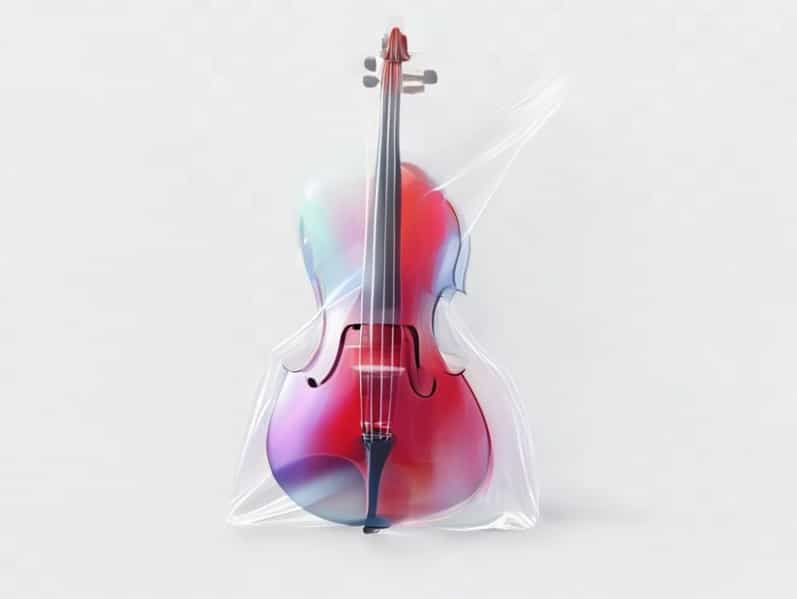
Cellophane sheets are widely used in packaging, arts and crafts, and even in scientific applications due to their unique properties. One question that often arises is whether a cellophane sheet is transparent or translucent. Understanding this distinction is important not only for practical applications but also for educational purposes, as it involves basic principles of light transmission and material science. This topic explores the characteristics of cellophane sheets, how they interact with light, and the factors that determine whether they appear transparent or translucent.
What is a Cellophane Sheet?
Cellophane is a thin, flexible film made from regenerated cellulose, which is derived from plant materials such as wood pulp or cotton. It has been used for over a century in packaging due to its ability to form a protective barrier against moisture, air, and contaminants. Its clarity and smooth surface also make it ideal for decorative purposes and wrapping gifts. Cellophane sheets come in various thicknesses and finishes, which can affect how much light passes through them, ultimately determining whether they are perceived as transparent or translucent.
Composition and Production
The production of cellophane involves dissolving cellulose in a chemical solution, then extruding it into thin sheets, which are subsequently dried and treated. This process gives cellophane its characteristic smoothness and flexibility. Additives, coatings, and dyes can be applied to alter properties such as glossiness, moisture resistance, and color, all of which can affect light transmission.
Transparent vs Translucent Key Differences
To determine whether cellophane is transparent or translucent, it is important to understand the difference between these two terms. Transparency refers to the ability of a material to allow light to pass through so that objects behind it can be clearly seen. Translucency, on the other hand, refers to materials that allow light to pass through, but scatter it in the process, making objects behind them appear blurred or partially obscured.
Transparent Materials
Transparent materials, such as clear glass or clear acrylic, provide a clear view of objects on the other side. In scientific terms, these materials have minimal light scattering and high light transmission. Transparency is often measured in terms of the percentage of light that passes directly through the material without distortion. A fully transparent sheet allows almost all light to pass straight through, creating a clear image of anything behind it.
Translucent Materials
Translucent materials, like frosted glass or wax paper, allow light to pass through but diffuse it, resulting in a blurred or softened image of objects behind them. These materials scatter light due to surface roughness, thickness variations, or embedded ptopics. Translucency is useful when privacy is needed, or when light diffusion is desired without fully obstructing visibility.
Is Cellophane Transparent or Translucent?
Whether a cellophane sheet is transparent or translucent depends on several factors, including thickness, color, coatings, and surface treatment. Standard clear cellophane sheets are generally considered transparent because they allow light to pass through with minimal scattering, enabling clear visibility of objects placed behind them. However, certain types of colored or treated cellophane sheets may scatter light more effectively, making them appear translucent.
Factors Affecting Transparency
- ThicknessThicker cellophane sheets may scatter more light, reducing transparency and giving a slightly translucent appearance.
- Surface FinishMatte or frosted finishes scatter light, turning what might normally be transparent into a translucent sheet.
- ColorDyes and pigments can reduce light transmission, affecting how transparent the sheet appears.
- CoatingsProtective coatings may slightly blur light transmission, depending on their refractive index and thickness.
Practical Examples
In gift wrapping, standard clear cellophane allows the contents of a package to be seen clearly, demonstrating its transparency. Meanwhile, colored or patterned cellophane diffuses light, creating a more opaque look and adding a decorative effect, which is more characteristic of translucency. In scientific experiments, untreated cellophane is often used for clear coverings or barriers where transparency is required, while treated sheets may be used for diffusing light or creating privacy.
Applications Based on Transparency
Packaging and Display
Transparent cellophane is ideal for packaging that allows consumers to view the product without opening it, such as baked goods, candies, or flowers. It provides protection while showcasing the contents. Translucent variants may be used when partial visibility is sufficient or when light diffusion enhances the aesthetic effect.
Arts and Crafts
In arts and crafts, both transparent and translucent cellophane sheets are popular. Transparent sheets are used for clear window-like effects or for layering without obscuring underlying materials. Translucent sheets add color and texture, scattering light to create interesting visual effects in stained glass projects, collages, or decorative ornaments.
Scientific and Industrial Use
Transparent cellophane is often used in laboratory settings as a protective barrier or as a membrane in certain experiments. Its ability to allow light to pass with minimal distortion is valuable for observational purposes. Translucent versions are employed where light diffusion or privacy is needed, such as in light-diffusing panels or privacy covers.
Cellophane sheets are typically transparent, allowing light to pass through with minimal scattering so objects behind the sheet can be seen clearly. However, the appearance can shift toward translucency depending on factors like thickness, surface finish, color, and coatings. Understanding these properties helps in selecting the right type of cellophane for packaging, crafts, scientific purposes, or decorative applications. By choosing the appropriate sheet, one can either showcase contents clearly or create a diffused, decorative effect, making cellophane a versatile material in a variety of industries and creative projects.