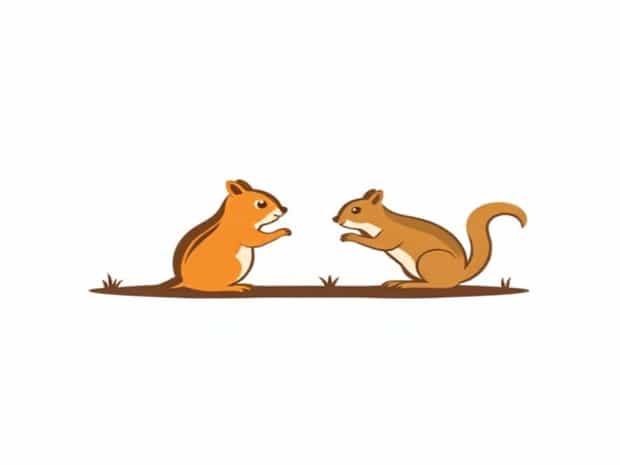
Chipmunks and ground squirrels are small rodents often confused due to their similar size and burrowing habits. Both belong to the squirrel family, Sciuridae, but they have distinct behaviors, physical characteristics, and habitats. Understanding the differences between chipmunks and ground squirrels can help nature enthusiasts, hikers, and wildlife observers identify these animals correctly. Despite their similarities, each species plays a unique role in its ecosystem, contributing to soil aeration, seed dispersal, and food chains. Comparing chipmunks and ground squirrels involves examining their physical traits, diet, social behavior, and ecological significance.
Physical Characteristics
One of the easiest ways to differentiate between a chipmunk and a ground squirrel is by observing their physical features. Chipmunks are typically smaller, measuring about 5 to 6 inches in body length, excluding the tail. They have distinctive stripes running from their head to their back, usually five dark stripes alternating with lighter stripes. Their tails are bushy but shorter compared to tree squirrels.
Ground squirrels, on the other hand, are larger, ranging from 8 to 12 inches in body length. They often have more uniform fur without the prominent stripes seen on chipmunks, although some species may have subtle patterns. Ground squirrels have more robust bodies and shorter tails, which are less bushy than chipmunks. Observing these features in the wild can help identify the species at a glance.
Facial Differences
- Chipmunks have smaller, rounder faces with prominent cheek pouches for storing food.
- Ground squirrels have broader faces with less noticeable cheek pouches.
- Chipmunks’ eyes appear larger relative to their heads, giving them a more alert look.
Habitat and Distribution
Chipmunks and ground squirrels occupy different habitats depending on their species and geographic range. Chipmunks are often found in wooded areas, forests, and shrublands. They prefer environments with ample cover and food sources such as nuts, seeds, and berries. They are excellent climbers and sometimes venture into low tree branches, although they spend much of their time on the ground.
Ground squirrels are more commonly associated with open areas, such as grasslands, meadows, and prairies. They dig extensive burrow systems that provide shelter from predators and extreme weather. Ground squirrels are more tolerant of human-modified landscapes and can often be found near agricultural fields, parks, and suburban areas. Understanding habitat preferences can help determine which species is present in a given location.
Burrowing Behavior
- Chipmunks dig smaller, shallow burrows with multiple entrances, often hidden under logs or rocks.
- Ground squirrels create complex burrow networks with chambers for nesting, food storage, and hibernation.
- Both species use their burrows for safety, but ground squirrel burrows are larger and more permanent.
Diet and Feeding Habits
Both chipmunks and ground squirrels are omnivorous, but their diets differ slightly based on availability of food and habitat. Chipmunks primarily feed on nuts, seeds, berries, and fruits. They also eat insects and small invertebrates, especially during the summer months when protein is needed for growth and energy.
Ground squirrels have a more varied diet, including seeds, nuts, grasses, roots, and occasionally small insects. Some species, like the California ground squirrel, are known to forage near agricultural areas and consume crops. Both chipmunks and ground squirrels store food in burrows or cheek pouches to prepare for winter or periods of scarcity, but chipmunks are particularly known for carrying large amounts in their cheek pouches.
Food Storage Techniques
- Chipmunks transport food to underground storage chambers in their burrows.
- Ground squirrels create larger caches of food near or inside their burrows.
- Both species help in seed dispersal, indirectly contributing to forest regeneration.
Social Behavior
Chipmunks are generally solitary animals, except during mating season or when raising young. They maintain and defend small territories, marking their areas with scent glands and vocalizations. Chipmunks are agile and rely on quick movements and vigilance to avoid predators.
Ground squirrels exhibit more social behavior and often live in colonies. They communicate using vocal alarms to warn others of approaching predators, and some species have cooperative behaviors such as shared burrow defense. Ground squirrels also engage in social grooming, which strengthens colony bonds and reduces stress.
Activity Patterns
- Chipmunks are diurnal, active during daylight hours, and spend nights in burrows.
- Ground squirrels are also diurnal but may adjust activity based on temperature and predator presence.
- Both species hibernate or enter periods of torpor in colder regions, although chipmunks tend to store more food for survival.
Predators and Threats
Both chipmunks and ground squirrels face threats from a variety of predators. Common predators include hawks, owls, foxes, snakes, and domestic cats. Chipmunks rely on speed, agility, and burrow concealment to escape danger. Ground squirrels depend on colony alert systems and burrow networks for safety. Human activities, such as habitat destruction and pesticide use, also pose significant risks to both species.
Ecological Importance
Chipmunks and ground squirrels play important roles in their ecosystems. By digging burrows, they aerate the soil and promote nutrient cycling. Their food storage and caching behavior contribute to seed dispersal, aiding in the growth of plants and trees. Additionally, they serve as prey for a variety of predators, maintaining balance in the food chain. Understanding the ecological roles of these rodents highlights the importance of conserving their habitats.
Conservation Considerations
- Protect natural habitats from deforestation and urban expansion.
- Minimize the use of rodenticides that can harm non-target species.
- Promote awareness about the benefits of chipmunks and ground squirrels in gardens and forests.
- Encourage coexistence by providing safe spaces and natural food sources.
While chipmunks and ground squirrels share many similarities, they differ in size, appearance, habitat preferences, and social behavior. Recognizing these differences helps wildlife enthusiasts and researchers identify and appreciate each species. Both chipmunks and ground squirrels contribute to their ecosystems through soil aeration, seed dispersal, and serving as prey for larger animals. Understanding their unique characteristics and ecological roles allows humans to coexist responsibly with these fascinating rodents, ensuring their continued presence in natural and suburban landscapes.