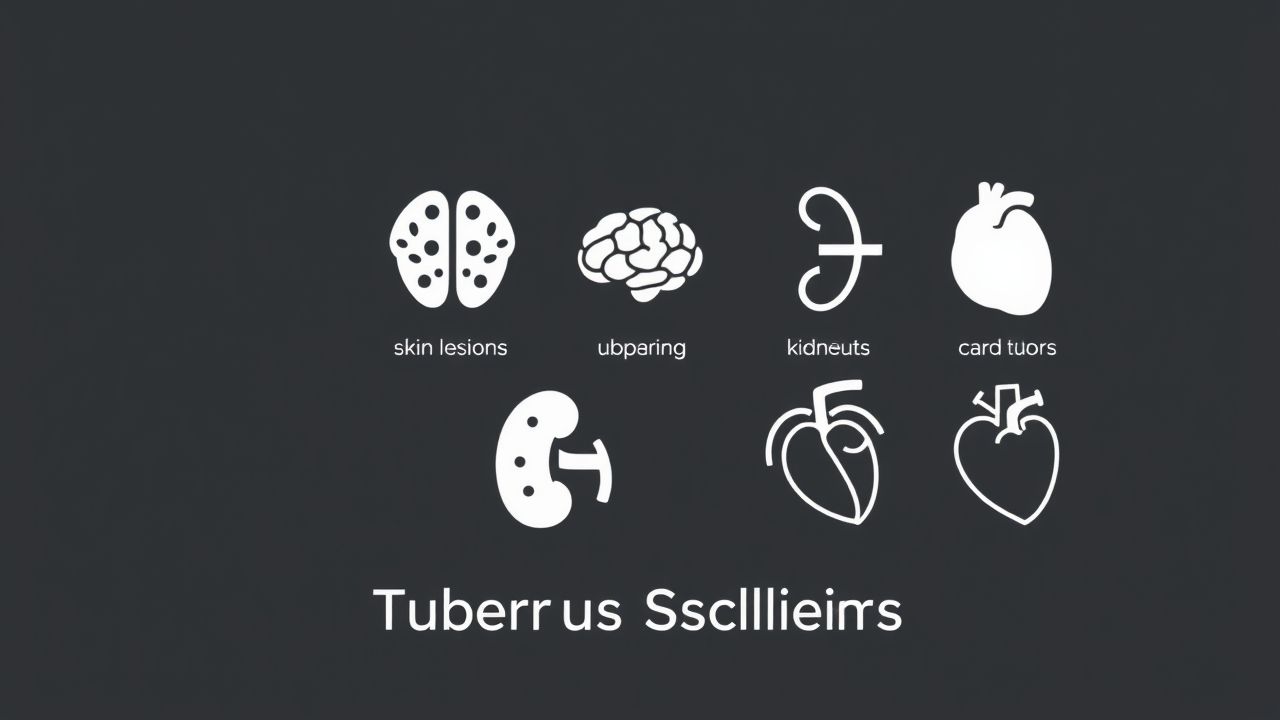
Tuberous sclerosis is a rare genetic disorder that can affect multiple organ systems, including the brain, skin, kidneys, heart, lungs, and eyes. It is caused by mutations in either the TSC1 or TSC2 genes, which normally help regulate cell growth. When these genes are altered, abnormal cell growth can lead to benign tumors in various tissues. The clinical features of tuberous sclerosis vary widely from person to person, ranging from mild skin changes to severe neurological complications. Understanding the full spectrum of signs and symptoms is essential for timely diagnosis and effective management.
Overview of Tuberous Sclerosis
Tuberous sclerosis complex (TSC) is characterized by a combination of skin manifestations, neurological symptoms, and involvement of internal organs. It can present at any age, but many features are noticeable in childhood. The severity of symptoms depends on the location and size of the benign tumors known as hamartomas.
Genetic Basis
The condition is inherited in an autosomal dominant manner, although many cases occur due to new (de novo) mutations. The TSC1 gene encodes a protein called hamartin, and the TSC2 gene encodes tuberin; both proteins work together to suppress excessive cell growth. Mutations disrupt this balance, resulting in abnormal tissue development.
Neurological Features
Neurological involvement is among the most significant aspects of tuberous sclerosis, as it can greatly impact quality of life and development.
Seizures
Seizures are one of the earliest and most common clinical features. They may present as
- Infantile spasms, often appearing in the first year of life
- Focal seizures affecting one part of the body
- Generalized seizures involving the whole body
Uncontrolled seizures can lead to developmental delays and cognitive impairment, making early treatment crucial.
Neurodevelopmental Disorders
Many individuals with TSC experience learning difficulties, autism spectrum disorder, or behavioral problems. These may be related to structural brain changes, such as cortical tubers and subependymal nodules, which are characteristic findings in neuroimaging studies.
Subependymal Giant Cell Astrocytoma (SEGA)
SEGA is a benign brain tumor associated with TSC that can cause blockage of cerebrospinal fluid flow, leading to hydrocephalus. Symptoms may include headaches, nausea, vomiting, and changes in vision or behavior.
Skin Manifestations
Skin changes are often the first visible signs of tuberous sclerosis and can assist in early diagnosis.
Hypomelanotic Macules
Also known as ash leaf spots, these are areas of skin with reduced pigmentation, often present at birth or appearing in early childhood. They are usually best seen under ultraviolet light.
Facial Angiofibromas
These small, reddish or flesh-colored bumps typically appear on the cheeks, nose, and chin during childhood or adolescence. They result from overgrowth of fibrous tissue and blood vessels.
Shagreen Patches
These are thickened, leathery areas of skin, often found on the lower back. They are a hallmark skin lesion of TSC and can appear in later childhood.
Other Skin Findings
- Fibrous plaques on the forehead or scalp
- Periungual fibromas around the nails
Renal Involvement
The kidneys are frequently affected in tuberous sclerosis, and monitoring their function is important throughout life.
Angiomyolipomas
These benign tumors are composed of blood vessels, muscle, and fat. While often asymptomatic, larger angiomyolipomas can cause bleeding, flank pain, or kidney dysfunction.
Renal Cysts
Some individuals develop fluid-filled cysts, which may not cause symptoms but can contribute to reduced kidney function over time.
Cardiac Features
Heart involvement is more common in infants and young children with TSC.
Rhabdomyomas
These benign tumors of the heart muscle often develop before birth or in early infancy. They may cause arrhythmias or obstruct blood flow, although many shrink or disappear as the child grows.
Pulmonary Involvement
The lungs can be affected, particularly in adult women with TSC, through a condition called lymphangioleiomyomatosis (LAM).
Lymphangioleiomyomatosis
LAM is characterized by the growth of abnormal smooth muscle cells in the lungs, leading to cystic changes and breathing difficulties. Symptoms can include shortness of breath, chest pain, and recurrent pneumothorax.
Ophthalmic Features
Eye involvement in tuberous sclerosis is usually mild but can be an important diagnostic clue.
Retinal Hamartomas
These benign growths on the retina may not significantly affect vision but can be detected during routine eye examinations.
Oral Manifestations
The mouth and gums can also show signs of TSC, including
- Dental enamel pits
- Fibromas on the gums or tongue
Diagnostic Criteria
Diagnosis of tuberous sclerosis relies on a combination of major and minor clinical features, as well as genetic testing. Major features include hypomelanotic macules, facial angiofibromas, shagreen patches, cortical tubers, and renal angiomyolipomas. Minor features may include dental enamel pits, confetti skin lesions, and retinal achromic patches.
Management and Monitoring
While there is no cure for tuberous sclerosis, early detection of clinical features allows for better symptom management and improved outcomes. Management strategies include
- Antiepileptic medications for seizure control
- mTOR inhibitors to reduce tumor size
- Regular imaging to monitor organ involvement
- Specialist consultations for skin, kidney, heart, and lung care
Importance of Multidisciplinary Care
Given its wide-ranging effects, tuberous sclerosis requires coordinated care from neurologists, dermatologists, nephrologists, cardiologists, pulmonologists, and other specialists. Regular check-ups help detect complications early and provide timely interventions.
Prognosis
The outlook for individuals with tuberous sclerosis varies depending on the severity of organ involvement and the effectiveness of symptom management. Some people lead relatively normal lives with minimal complications, while others may experience significant challenges due to neurological or systemic issues.
The clinical features of tuberous sclerosis are diverse and can affect nearly every organ system. Recognizing patterns such as seizures, characteristic skin lesions, kidney tumors, and cardiac rhabdomyomas can lead to early diagnosis. With careful monitoring and a multidisciplinary approach, many individuals with TSC can achieve a good quality of life, even though the condition is lifelong. Ongoing research continues to improve understanding and treatment options for this complex disorder.