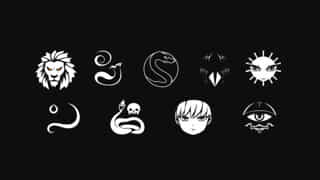
The anime world is rich with stories that explore human nature, morality, and epic battles between good and evil. Among these, the theme of the ‘Deadly Seven Sins’ has captivated audiences by weaving together action, drama, and philosophical questions about the darker sides of human character. While the traditional concept of the seven deadly sins lust, gluttony, greed, sloth, wrath, envy, and pride originates from Christian theology, many anime series have adapted or reinvented these sins to create unique narratives full of complex characters and thrilling plots. The ‘Deadly Seven Sins’ anime genre has become a fascinating way to delve into human flaws and redemption through dynamic storytelling and vivid animation.
Understanding the Concept of the Seven Deadly Sins in Anime
The seven deadly sins have been a powerful tool for storytelling, especially in anime, where exaggerated characters and supernatural abilities can personify these abstract ideas. Unlike their religious origins, anime adaptations often portray these sins not just as moral failures but as symbolic traits that define characters’ motivations, struggles, and growth.
In anime, the seven deadly sins might appear as literal demons, cursed powers, or the inner demons of heroes and villains alike. This flexibility allows creators to explore themes such as temptation, guilt, power, and forgiveness. The sins serve as both obstacles and sources of strength, shaping the characters’ destinies in unexpected ways.
How Anime Interprets the Seven Sins
- Personification of sins as characters or powers
- Symbolic representation of human flaws and internal conflicts
- Use as thematic elements to drive character development and plot
Popular Anime Featuring the Deadly Seven Sins Theme
One of the most well-known anime directly inspired by the seven deadly sins isThe Seven Deadly Sins (Nanatsu no Taizai). This series combines fantasy, adventure, and action, centering on a group of knights each representing one of the sins. The story follows their journey to clear their names, fight evil, and protect the kingdom. The anime creatively ties each sin to the knights’ personalities and powers, giving them depth and relatability despite their flaws.
Another example isDeath Note, where the sins are not personified but deeply embedded in the story’s exploration of morality, justice, and corruption. The protagonist, Light Yagami, exhibits pride and wrath as he judges others with godlike power, leading to complex questions about sin and redemption.
Key Titles Inspired by Seven Deadly Sins
- The Seven Deadly Sins (Nanatsu no Taizai): Direct personification of sins as heroes
- Death Note: Exploration of sin through moral ambiguity
- Black Clover: Characters battle sins and demons with magical powers
Thematic Depth: Exploring Morality and Redemption
The appeal of the seven deadly sins theme lies in its rich moral complexity. Anime often uses these sins to question what makes a person good or evil. Characters struggle with their inner darkness, sometimes succumbing to it, sometimes overcoming it. This struggle offers a compelling narrative arc that resonates with viewers because it mirrors real human experiences.
Redemption is a recurring theme in these stories. Characters branded by their sins often seek forgiveness or change, showing that sin does not have to define one’s identity. The battles fought both internal and external symbolize the universal human conflict between desire and conscience.
Common Moral Themes in Seven Sins Anime
- The duality of human nature
- The possibility of redemption and change
- The consequences of giving in to temptation
Character Archetypes and Their Connection to the Sins
In many seven deadly sins anime, characters are carefully designed to embody specific sins, which influence their personalities, abilities, and storylines. For example, a character representing wrath might have explosive powers and a hot temper, while one representing envy might be cunning and jealous. These archetypes provide clear distinctions that help the audience understand characters’ motivations and predict potential conflicts.
However, these traits are not always negative. Often, the sins come with strengths that make the characters more powerful or charismatic. This nuanced portrayal adds layers to the storytelling, encouraging viewers to sympathize with characters who are traditionally seen as flawed or villainous.
Examples of Character-Sin Pairings
- Wrath: Fierce, aggressive fighters with short tempers
- Greed: Characters driven by desire for power or wealth
- Sloth: Often lazy or indifferent but may possess hidden talents
- Envy: Jealous characters who strive to outdo others
Visual and Symbolic Representation
The seven deadly sins theme often translates into striking visual symbolism within anime. Each sin can be represented by unique motifs, colors, or magical effects that highlight the character’s connection to that sin. For example, pride might be symbolized with royal imagery or radiant light, while gluttony might have themes of excess and consumption.
This use of symbolism enhances the viewer’s experience by creating a visual language that reinforces the story’s themes. It also allows for creative fight scenes and power displays that tie back to the characters’ underlying sins, making battles more meaningful.
Visual Elements Commonly Used
- Distinct color palettes for each sin
- Iconography like crowns for pride or chains for envy
- Special effects reflecting the nature of each sin’s power
The Cultural Impact and Popularity
The seven deadly sins theme resonates globally due to its universal exploration of human flaws and morality. Anime series that incorporate this theme attract diverse audiences who enjoy the mix of action, fantasy, and philosophical depth. The concept’s adaptability allows it to be reimagined in countless ways, keeping the genre fresh and exciting.
Merchandising, fan art, and discussions about these anime series show how deeply the theme connects with viewers. It sparks conversations about ethics, personal growth, and the nature of good and evil, demonstrating the power of anime as a medium for storytelling that goes beyond entertainment.
Reasons for Enduring Appeal
- Relatable themes of struggle and redemption
- Dynamic characters with rich backstories
- Engaging blend of fantasy and moral questions
The Everlasting Fascination with Deadly Seven Sins in Anime
The ‘Deadly Seven Sins’ anime genre offers more than just thrilling battles and captivating characters; it delves into the essence of what it means to be human. By personifying the seven deadly sins, these stories explore complex emotions, ethical dilemmas, and the possibility of change. Whether through heroic knights, cunning villains, or conflicted anti-heroes, the theme remains a powerful lens for understanding human nature.
As anime continues to evolve, the seven deadly sins theme will likely inspire new stories that challenge, entertain, and provoke thought. Its rich symbolism and moral depth ensure that it remains a favorite among fans who seek both excitement and meaningful narratives in their anime experience.