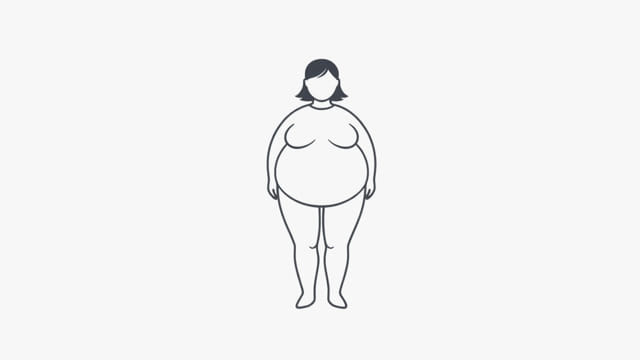
When encountering unfamiliar or uncommon English words, it’s often helpful to look at how they’re used in real-life contexts. One such word is ‘corpulent.’ While not as commonly used in everyday conversation today, it still appears in literature, journalism, and formal descriptions. Understanding what it means and how to use it in a sentence can enrich your vocabulary and help you express ideas more precisely. This topic explores the meaning of corpulent, explains its usage, and provides various examples to show how it functions in sentence structures.
What Does ‘Corpulent’ Mean?
The word ‘corpulent’ is an adjective that describes someone who is large or overweight, particularly in terms of body fat. It is derived from the Latin wordcorpus, which means ‘body.’ In English, it is often used to describe someone who is noticeably heavy in a somewhat formal or literary way. Although it carries a neutral tone, the word may sometimes be interpreted as slightly old-fashioned or even euphemistic depending on the context.
Definition of ‘Corpulent’
The formal dictionary definition of corpulent is:
- Corpulent (adjective): Having a large, bulky body; overweight or fat.
This term is most often used to refer to a person, though it could be metaphorically applied to animals or even objects in creative writing to suggest largeness or mass.
Examples of ‘Corpulent’ Used in Sentences
To better understand how to use ‘corpulent’ in a sentence, here are several example sentences that demonstrate its usage in different contexts:
- The corpulent man struggled to squeeze into the narrow theater seat.
- Despite his corpulent frame, the politician moved gracefully through the crowd, shaking hands and smiling.
- She described the villain in her novel as a corpulent banker with greedy eyes and a booming laugh.
- The dog, once energetic and slim, had grown corpulent after years of overfeeding.
- His corpulent body made it difficult for him to keep up with the younger players on the field.
As seen in these examples, the word ‘corpulent’ can be used in descriptive writing to convey specific physical traits of a subject. It is particularly useful in settings where the tone is more formal or narrative in nature.
Contextual Usage of ‘Corpulent’
The use of ‘corpulent’ tends to be more common in writing than in spoken English. In daily conversation, people are more likely to use simpler or more neutral terms such as ‘overweight,’ ‘heavyset,’ or ‘large.’ However, in literature, news topics, or formal essays, ‘corpulent’ may be chosen to add a level of sophistication or vivid imagery to the description.
Where You Might Encounter the Word
- In Literature: Authors may use the word corpulent to paint a detailed character description, especially in classical novels or period writing.
- In Journalism: Feature stories or opinion pieces may include the term when describing public figures, often in a physical or symbolic context.
- In Academic Writing: It might appear in essays related to body image, historical portrayals of body types, or health studies.
Though not a slang term, ‘corpulent’ is certainly more formal and may sometimes sound outdated or too blunt in modern casual dialogue. It’s important to consider your audience and tone before using it.
Synonyms and Related Words
If you’re writing and wish to vary your vocabulary or choose a word that better suits your tone, here are some synonyms and closely related words to ‘corpulent’:
- Overweight
- Obese
- Plump
- Chubby
- Stout
- Portly
- Rotund
- Heavyset
Each of these words has a slightly different connotation. For instance, chubby and plump may sound more affectionate, while obese is a clinical term. Portly and stout can sound polite or even flattering, while corpulent sits somewhere in the middle of formality and neutrality.
Word Tone and Sensitivity
When describing someone’s appearance, it’s always a good idea to be sensitive. Words that describe body size can be emotionally charged, and corpulent, though formal, might still offend in certain situations. It’s generally best used in descriptive writing where the intent is clear and respectful.
How to Use ‘Corpulent’ in Your Own Writing
If you’re writing fiction, biographies, or essays that require detailed physical descriptions, using corpulent can add clarity and elegance to your prose. Here are some sentence templates you can adapt:
- Thecorpulent figureblocking the doorway looked at us with suspicion.
- In his youth, he was thin and athletic, but now he had growncorpulentfrom years of indulgence.
- She drew a caricature of her boss as acorpulent monarchseated on a throne of files.
These examples show how the word can be used to add imagery and nuance. It helps the reader visualize not just the size, but often the character or attitude associated with the person being described.
Historical and Cultural Notes
Historically, being corpulent was sometimes seen as a sign of wealth or status, especially in societies where food was scarce. In old portraits or literature, corpulence was occasionally associated with prosperity, power, or authority. In modern times, however, societal views have shifted, and the emphasis has moved toward health, fitness, and body positivity. As a result, descriptions like corpulent are more likely to be analyzed through a cultural lens.
Frequency in Modern Usage
Today, the word corpulent is not commonly used in everyday conversation, but it remains relevant in written contexts. Its relative rarity can make your writing stand out, especially if you’re aiming for a rich or descriptive tone. However, because it carries implications about body size, always consider the impact of using the word on your audience.
Understanding how to define corpulent in a sentence adds a valuable tool to your vocabulary. It’s a descriptive, formal word that conveys a clear image of someone who is significantly overweight. While it may not be common in casual speech, it serves a specific purpose in narrative, journalistic, and formal writing. If you’re aiming for clear, elegant, or period-appropriate descriptions, corpulent is a strong word to use just remember to use it thoughtfully and respectfully.