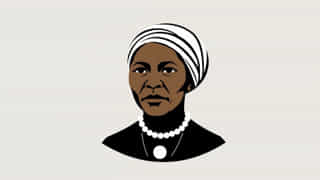
Harriet Tubman is one of the most celebrated figures in American history, known for her fearless work as an abolitionist, freedom fighter, and humanitarian. Best remembered for her role in the Underground Railroad, she helped hundreds of enslaved people escape to freedom. Her story has inspired generations, but many still ask the question: did Harriet Tubman die, and if so, when and how? Understanding the end of her life helps complete the picture of a woman who devoted her existence to justice, equality, and freedom for all.
The Final Years of Harriet Tubman
Harriet Tubman’s later years were marked by continued activism and declining health. After the Civil War, she settled in Auburn, New York, where she had purchased land years earlier. There, she worked to improve the lives of African Americans and aging former slaves. Despite facing personal financial struggles, Tubman continued to give generously and cared for others in her community.
Life in Auburn, New York
In Auburn, Tubman transformed her home into a haven for the elderly and those in need. She opened the Harriet Tubman Home for the Aged in the early 1900s. Though she struggled with funds, she relied on donations and community support to maintain the property. This home became a central part of her life during her final years.
Health Decline and Medical Issues
Throughout her life, Harriet Tubman suffered from seizures and severe headaches, likely resulting from a head injury she sustained as a child when an overseer struck her with a heavy object. In her later years, these symptoms worsened. Tubman underwent brain surgery at Boston’s Massachusetts General Hospital in the late 1890s in an attempt to alleviate her pain, but her condition did not fully improve.
The Death of Harriet Tubman
Yes, Harriet Tubman did die. She passed away on March 10, 1913, at approximately 91 years of age. Her death occurred in Auburn, New York, at the very home she had established to care for elderly African Americans. She died of pneumonia, a common cause of death among the elderly during that time.
A Peaceful Passing
In the final days of her life, Harriet Tubman was surrounded by friends, family, and those she had helped. According to records and accounts, she remained mentally strong and spiritually prepared. Her final words reportedly were, I go to prepare a place for you, echoing a deep sense of purpose that defined her entire life.
Funeral and Burial
Tubman was buried with full military honors at Fort Hill Cemetery in Auburn. As a nurse, scout, and spy for the Union Army during the Civil War, she earned this recognition from the United States government. Her gravestone is simple but powerful, reflecting the quiet dignity of her life.
Legacy After Death
Although her death marked the end of a life filled with extraordinary courage, Harriet Tubman’s legacy only grew stronger in the years that followed. Her contributions to civil rights and humanitarian efforts are remembered in schools, museums, and public monuments throughout the United States.
Harriet Tubman in Public Memory
- Schools and streets across America bear her name.
- She was featured in literature, music, film, and art as a symbol of courage and justice.
- Plans were announced to place her image on the U.S. $20 bill, recognizing her historic contributions.
Her burial site has become a place of pilgrimage for many who want to honor her life and sacrifices. Historical markers, guided tours, and commemorative events are held regularly to ensure her legacy lives on.
Myths and Misconceptions About Her Death
Some myths and rumors have surrounded Harriet Tubman’s death over the years. However, there is no credible evidence to suggest any mystery or unusual circumstances regarding her passing. While folklore has added dramatic touches to her life story, the fact remains that she died peacefully in her sleep, having lived a long and meaningful life.
Correcting the Record
One misconception is that she died in poverty or alone. Though she did face financial challenges, Tubman was never abandoned. The community she helped build rallied around her, offering support and love in her final days. Historical documentation confirms that she was respected and honored at the time of her passing.
Harriet Tubman’s Enduring Impact
Even in death, Harriet Tubman continues to influence movements for freedom and justice. Her name is invoked in discussions about civil rights, gender equality, and humanitarian efforts. She has become more than just a historical figure; she is a symbol of resilience and moral courage.
Educational Programs and Tributes
Various educational programs have been established in her name, ensuring that future generations learn about her remarkable life. Museums dedicated to her work and legacy offer immersive experiences that honor her contribution to American history.
Recognition by the Government
In 1990, the United States Congress passed legislation recognizing Harriet Tubman’s life and work. A national historic park in her name now exists in Auburn, New York, and another in Maryland, where her journey toward freedom began.
To answer the original question yes, Harriet Tubman did die, and her passing marked the end of a life devoted to justice, compassion, and freedom. But in many ways, her spirit never left. Through her actions, writings, and the people she helped, Harriet Tubman remains a powerful presence in American history and culture. Her death, far from being the end, became the foundation of a legend that continues to inspire to this day. Visiting her resting place, reading her story, and carrying her legacy forward are all ways we can ensure that Harriet Tubman’s remarkable life is never forgotten.