Cinnamon is a beloved spice used worldwide for its warm, sweet, and aromatic flavor. However, not all cinnamon is created equal. Among the most popular types are Ceylon cinnamon and Saigon cinnamon, each with distinct characteristics that affect their flavor, aroma, and culinary uses. Understanding the difference between Ceylon and Saigon cinnamon can help cooks and bakers choose the right variety for their recipes, health benefits, and taste preferences. While both types offer delicious cinnamon flavor, they differ significantly in origin, flavor profile, appearance, and chemical composition.
Origins and Botanical Differences
Ceylon Cinnamon: True Cinnamon
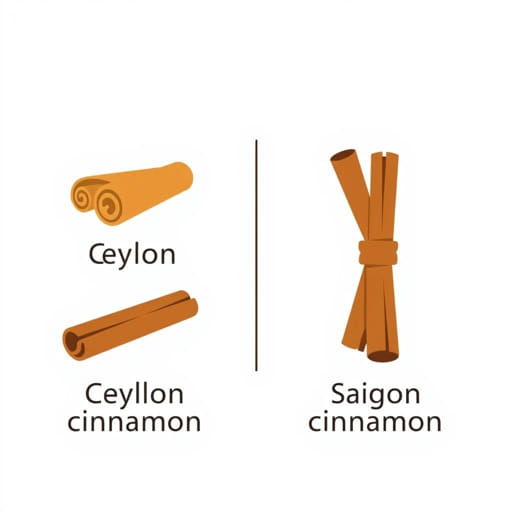
Ceylon cinnamon, also known as true cinnamon, is native to Sri Lanka (formerly called Ceylon), as well as parts of India and Madagascar. It is derived from the inner bark of the Cinnamomum verum tree. The bark is carefully harvested and rolled into thin, delicate quills, often with multiple thin layers visible. This type of cinnamon is prized for its subtle sweetness and delicate flavor, making it popular in gourmet cooking and traditional medicine.
Saigon Cinnamon: A Stronger Variety
Saigon cinnamon, also called Vietnamese cinnamon, comes from the Cinnamomum loureiroi tree, native to Vietnam and parts of Indonesia. This cinnamon has a thicker, rougher bark and is typically sold as single-layered, curled sticks. Saigon cinnamon is known for its robust, spicy, and intense flavor with a higher oil content compared to Ceylon cinnamon. It is widely used in baking and savory dishes that require a more pronounced cinnamon taste.
Flavor and Aroma Profile
Delicate and Sweet Ceylon Cinnamon
Ceylon cinnamon offers a mild, sweet, and complex flavor. Its aroma is gentle and warm, with hints of citrus and clove undertones. This subtle profile allows it to blend well in desserts, beverages, and dishes where a nuanced cinnamon flavor is desired. Many chefs prefer Ceylon cinnamon for delicate pastries, custards, and spiced teas where a refined flavor is important.
Bold and Spicy Saigon Cinnamon
Saigon cinnamon stands out for its bold, spicy, and sweet flavor. It has a pronounced aroma that is both sweet and peppery, with a warmth that can dominate dishes if used excessively. Due to its strong flavor, Saigon cinnamon is ideal for hearty desserts, spiced meats, and dishes that can balance or require a powerful cinnamon note. Its intensity is favored in recipes like chili, barbecue rubs, and robust baked goods.
Appearance and Texture Differences
Ceylon Cinnamon Characteristics
Ceylon cinnamon sticks are thinner, softer, and have multiple layers rolled inside, giving them a delicate, almost paper-like texture. When broken, the sticks are brittle and can easily be ground into a fine powder. The color is usually lighter, ranging from tan to light brown. These quills are often sold in premium markets and specialty stores due to their delicate nature and lower availability.
Saigon Cinnamon Characteristics
Saigon cinnamon sticks are thicker, harder, and have a rougher texture with a single curled layer. The bark is denser, making it more difficult to break and grind. The color is typically darker, ranging from medium to dark brown, reflecting its stronger flavor and higher oil content. Saigon cinnamon is widely available in grocery stores and commonly sold in bulk due to its popularity and potency.
Chemical Composition and Health Aspects
Ceylon Cinnamon: Low Coumarin Content
One of the major differences between Ceylon and Saigon cinnamon lies in their coumarin levels. Coumarin is a natural compound that can be harmful in large quantities, causing liver damage and other health issues when consumed excessively. Ceylon cinnamon contains very low levels of coumarin, making it safer for regular consumption and often recommended for medicinal use and daily dietary intake.
Saigon Cinnamon: Higher Coumarin Levels
Saigon cinnamon contains significantly higher amounts of coumarin, sometimes up to 50 times more than Ceylon cinnamon. While this does not pose immediate risk in moderate culinary use, frequent or large consumption of Saigon cinnamon may lead to health concerns over time. Those who consume cinnamon daily or in supplement form should be cautious and consider Ceylon cinnamon as a safer option.
Uses in Cooking and Baking
When to Use Ceylon Cinnamon
Ceylon cinnamon’s mild and sweet flavor makes it ideal for recipes that require a subtle cinnamon touch without overpowering other ingredients. It works well in custards, ice creams, smoothies, delicate baked goods like cinnamon rolls, and spiced teas. Its aroma complements sweet dishes, fruits, and creamy desserts, providing complexity without harshness.
When to Use Saigon Cinnamon
Saigon cinnamon’s bold, spicy profile is perfect for recipes that benefit from a strong cinnamon presence. It enhances the flavor of pies, spice cakes, chili, barbecue sauces, and savory dishes like Moroccan tagines. Because of its intensity, it should be used sparingly or balanced with other spices to avoid overwhelming the dish.
Cost and Availability
Ceylon Cinnamon: Premium and Pricier
Due to its limited growing regions and labor-intensive harvesting process, Ceylon cinnamon is generally more expensive and considered a premium product. It’s often sold in specialty stores or health food markets. Consumers looking for high-quality cinnamon with health benefits usually opt for Ceylon cinnamon despite the higher cost.
Saigon Cinnamon: More Affordable and Common
Saigon cinnamon is more widely cultivated and available, making it more affordable and easier to find in regular grocery stores. Its robust flavor and lower price point make it popular among home cooks and commercial food producers who want a strong cinnamon flavor without a high cost.
Summary of Key Differences
- Origin: Ceylon from Sri Lanka; Saigon from Vietnam.
- Flavor: Ceylon is mild and sweet; Saigon is bold and spicy.
- Appearance: Ceylon sticks are thin and multi-layered; Saigon sticks are thick and single-layered.
- Coumarin Content: Low in Ceylon; high in Saigon.
- Uses: Ceylon for delicate desserts and teas; Saigon for hearty dishes and robust baking.
- Price: Ceylon is more expensive; Saigon is more affordable.
Choosing the Right Cinnamon for You
Choosing between Ceylon and Saigon cinnamon depends on your flavor preferences, health considerations, and culinary uses. If you want a safe, mild cinnamon for daily use or delicate recipes, Ceylon cinnamon is the best choice. If you prefer a stronger, spicier cinnamon punch and plan to use it occasionally in bold dishes, Saigon cinnamon can be a good option. Being aware of their differences allows you to get the most from this beloved spice, enhancing your cooking while considering health and taste.
both Ceylon and Saigon cinnamon bring unique qualities to the table. From their origins and chemical makeup to their flavor and usage, these two types of cinnamon have distinct identities. Understanding these differences helps consumers and chefs make informed choices to elevate their dishes with the perfect cinnamon flavor.