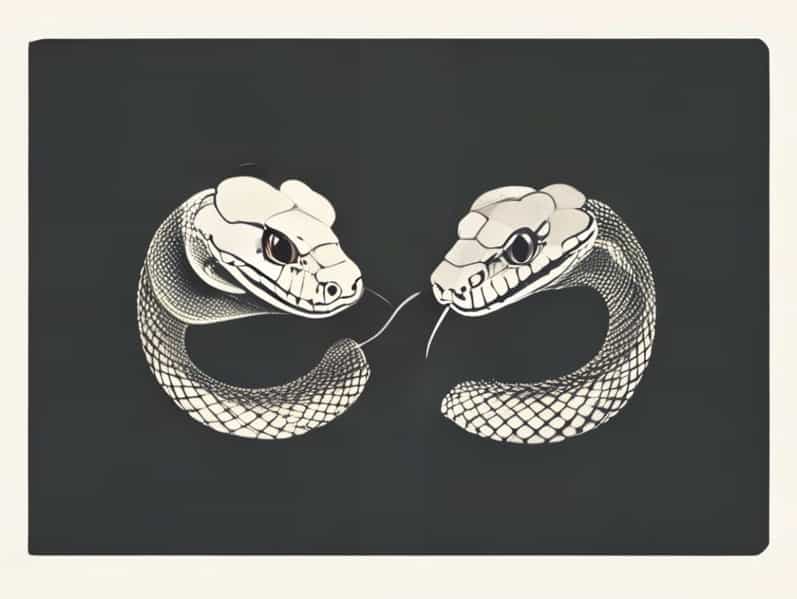
Many people feel uneasy when they encounter a snake near water, especially in regions where venomous species are known to live. One of the most common sources of confusion is telling the difference between a cottonmouth and a water snake. These two types of snakes often share the same habitats and can look similar at a quick glance. However, understanding their differences is important for safety, wildlife awareness, and reducing unnecessary fear or harm to non-venomous snakes.
What Is a Cottonmouth Snake?
The cottonmouth, also known as the water moccasin, is a venomous snake native to the southeastern United States. It belongs to the pit viper family, which also includes rattlesnakes and copperheads.
Cottonmouths are semi-aquatic and are often found near swamps, rivers, lakes, and marshes. They are well known for their defensive behavior and their distinctive warning display.
Key Characteristics of a Cottonmouth
- Venomous pit viper
- Thick, heavy-bodied appearance
- Triangular-shaped head
- Often dark brown or black in color
- White interior of the mouth when threatened
What Is a Water Snake?
Water snakes are a broad group of non-venomous snakes, most commonly from the genus Nerodia. They are also native to North America and are frequently mistaken for cottonmouths.
Unlike cottonmouths, water snakes pose no venomous threat to humans, although they may bite if handled or provoked.
Common Traits of Water Snakes
- Non-venomous
- More slender body shape
- Rounded head shape
- Often patterned with bands or blotches
- Active swimmers and hunters
Difference in Head Shape
One of the most talked-about differences between cottonmouth and water snake species is head shape. Cottonmouths generally have a wide, triangular head that is clearly distinct from the neck.
Water snakes usually have narrower, more oval-shaped heads that blend smoothly into the body. However, water snakes can flatten their heads when threatened, making this feature less reliable on its own.
Body Thickness and Overall Shape
Cottonmouths tend to have thick, muscular bodies that appear heavy even when resting. Their build gives them a stocky and solid look.
Water snakes are usually slimmer and more flexible in appearance, though larger individuals can still look bulky.
Color and Pattern Differences
Cottonmouth coloration is often dark and muted. Many adult cottonmouths appear almost solid black or dark brown, especially as they age.
Water snakes typically show clearer patterns, such as bands, stripes, or blotches. These markings are often more visible and contrast with the background color.
Eye and Facial Features
Cottonmouths have vertical, cat-like pupils, which is a common feature of venomous pit vipers. They also have heat-sensing pits between the eyes and nostrils.
Water snakes have round pupils and lack heat-sensing pits. Observing pupils can help, but only if viewed safely and from a distance.
Mouth Display and Defensive Behavior
The cottonmouth gets its name from its defensive behavior. When threatened, it may open its mouth wide to reveal the white interior, serving as a warning signal.
Water snakes do not display a white mouth lining in the same way. Instead, they may flee quickly or strike repeatedly if cornered.
Behavior in Water
Cottonmouths are often seen floating on the surface of the water with much of their body visible. They appear calm and slow-moving.
Water snakes usually swim with their bodies mostly submerged, moving more quickly and actively through the water.
Habitat Preferences
Both cottonmouths and water snakes live near water, which adds to the confusion. However, cottonmouths are more common in swamps, slow-moving waters, and marshy areas.
Water snakes are more adaptable and can be found in ponds, rivers, lakes, and even urban waterways.
Aggression and Human Interaction
Cottonmouths have a reputation for aggression, but in reality they often prefer to avoid confrontation. They stand their ground more often than fleeing, which can make them seem aggressive.
Water snakes are more likely to escape quickly, but if caught, they may bite repeatedly as a defense.
Venom and Risk Level
The most important difference between cottonmouth and water snake is venom. Cottonmouths are venomous and capable of delivering a medically significant bite.
Water snakes are harmless in terms of venom, though their bites can still cause minor injury or infection.
Common Myths and Misidentifications
A common myth is that all dark snakes near water are cottonmouths. This leads to unnecessary killing of harmless water snakes.
Understanding identification features helps protect both people and wildlife.
Why Accurate Identification Matters
Correctly identifying a cottonmouth versus a water snake can prevent panic and reduce harm. It also encourages respect for ecosystems.
Snakes play an important role in controlling fish, amphibian, and rodent populations.
What to Do If You Encounter a Snake
If you encounter a snake near water, the safest approach is to keep your distance and avoid sudden movements.
Do not attempt to handle or kill the snake, regardless of whether you believe it is venomous.
Safety Tips
- Stay several feet away
- Do not provoke or throw objects
- Allow the snake to move away
- Educate others calmly
Regional Differences and Overlap
In some regions, cottonmouths and water snakes live side by side. This overlap increases the chance of confusion.
Learning local snake species can improve identification accuracy.
Visual Clues Versus Behavior Clues
While visual clues are helpful, behavior often provides stronger hints. Cottonmouths tend to hold their ground, while water snakes usually retreat.
However, behavior can vary, so no single trait should be used alone.
Respecting Wildlife
Both cottonmouths and water snakes are part of healthy ecosystems. Fear-driven reactions often cause more harm than the snakes themselves.
Education promotes coexistence rather than conflict.
The difference between cottonmouth and water snake lies in a combination of features, including head shape, body thickness, coloration, behavior, and venom presence. While they may look similar at first glance, understanding these distinctions helps improve safety and appreciation for wildlife. Cottonmouths deserve caution due to their venom, while water snakes deserve protection as harmless native species. By learning these differences, people can respond more calmly and responsibly when encountering snakes near water.