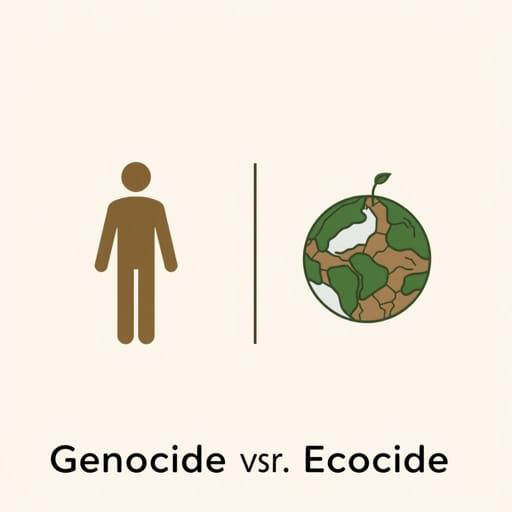
Understanding the difference between genocide and ecocide is essential in today’s world where both human and environmental crises dominate global discussions. While both terms describe severe forms of destruction, they focus on different targets and carry distinct legal, ethical, and social implications. Genocide refers to the systematic extermination of a particular group of people based on race, ethnicity, religion, or nationality. Ecocide, on the other hand, involves the large-scale destruction or degradation of ecosystems and the environment, often threatening the survival of multiple species, including humans. By exploring the definitions, legal frameworks, examples, and consequences of these two phenomena, we can better appreciate their distinctions and the urgency of addressing both human rights and environmental protection.
Defining Genocide
Genocide is a term coined in the 20th century to describe the deliberate and systematic attempt to destroy a national, ethnic, racial, or religious group. It encompasses acts that aim to annihilate the group in whole or in part, including mass killings, forced sterilizations, displacement, and severe restrictions on cultural or religious practices. The United Nations Convention on the Prevention and Punishment of the Crime of Genocide (1948) legally defines genocide and provides the basis for prosecution under international law. The focus is on human populations and the intent behind the acts of destruction.
Examples of Genocide
- The Holocaust (1941-1945), during which six million Jews were systematically exterminated by Nazi Germany.
- The Rwandan Genocide (1994), which saw the mass killing of Tutsi people by Hutu extremists.
- The Armenian Genocide (1915-1917), targeting Armenians in the Ottoman Empire through mass killings and deportations.
Defining Ecocide
Ecocide, by contrast, refers to the extensive destruction or damage to ecosystems, natural resources, and the environment, often resulting in significant harm to biodiversity and human communities that depend on these resources. Unlike genocide, ecocide is focused on non-human life as well as human life indirectly affected by environmental collapse. It includes deforestation, pollution, oil spills, large-scale mining, and climate change-related activities that devastate ecosystems. While there is growing advocacy to recognize ecocide as an international crime, it has not yet been fully codified in international law, though proposals exist to make it punishable alongside crimes against humanity.
Examples of Ecocide
- The deforestation of the Amazon rainforest, causing loss of biodiversity and displacement of indigenous communities.
- The Deepwater Horizon oil spill (2010), which led to widespread environmental damage in the Gulf of Mexico.
- Industrial pollution leading to air and water contamination in urban and rural areas, affecting millions of human and non-human lives.
Key Differences Between Genocide and Ecocide
Although genocide and ecocide share the concept of intentional destruction, their targets, intent, and implications differ significantly.
Target of Destruction
Genocide specifically targets human populations based on identity, aiming to eliminate a group entirely or partially. Ecocide targets the environment, ecosystems, and natural resources, often impacting human populations indirectly through loss of resources and environmental degradation.
Intent and Motivation
The motivation behind genocide is often political, ideological, or rooted in prejudice against a specific group. The goal is the systematic extermination of a people. Ecocide, while sometimes economically motivated, focuses on exploitation of natural resources, industrial development, or negligence toward environmental consequences, rather than targeting humans directly.
Legal Recognition
Genocide is a well-established international crime under the UN Convention, with clear legal frameworks for prosecution. Ecocide is gaining attention in international law but is not yet universally recognized as a prosecutable offense. Advocates argue for including ecocide under the International Criminal Court to prevent catastrophic environmental destruction.
Scope of Impact
Genocide’s impact is primarily on specific human groups, though it may indirectly affect the wider society and culture. Ecocide affects ecosystems, biodiversity, and human populations reliant on natural resources. The effects of ecocide are often long-term, affecting future generations and planetary health.
Overlap Between Genocide and Ecocide
While genocide and ecocide are distinct, there are cases where they intersect. Environmental destruction can exacerbate human suffering and lead to conditions that contribute to genocidal acts. Conversely, genocidal policies can involve ecocidal elements, such as scorched earth tactics, mass displacement, and destruction of agricultural land, affecting both people and their environment.
Historical Examples of Overlap
- During World War II, scorched earth policies destroyed crops, forests, and water sources, impacting both populations and ecosystems.
- The colonization of indigenous lands often combined forced displacement (cultural genocide) with environmental exploitation, leading to ecological degradation.
Ethical and Moral Considerations
Both genocide and ecocide raise critical ethical questions about humanity’s responsibility toward each other and the planet. Genocide challenges moral obligations to respect human life, equality, and dignity. Ecocide raises concerns about intergenerational justice, stewardship of natural resources, and the rights of non-human life. Both highlight the consequences of unchecked power, negligence, and exploitation.
Prevention and Accountability
Preventing genocide requires strong international legal mechanisms, early warning systems, education, and promotion of human rights. Ecocide prevention necessitates environmental regulations, sustainable development policies, corporate accountability, and recognition of ecological rights. Holding perpetrators accountable, whether through international tribunals for genocide or potential future courts for ecocide, is crucial for justice and deterrence.
Role of International Organizations
The United Nations, International Criminal Court, and environmental advocacy groups play significant roles in preventing both forms of destruction. While genocide has established mechanisms for investigation and prosecution, ecocide advocacy is pushing for similar international recognition to hold individuals and corporations accountable for environmental harm.
Understanding the difference between genocide and ecocide is vital for comprehending the scope of human and environmental crises in the modern world. Genocide targets specific human groups with intent to destroy, whereas ecocide targets ecosystems and the environment, indirectly impacting human and non-human life. Both carry severe consequences, require ethical consideration, and demand proactive measures for prevention. Recognizing their distinctions and overlaps enables societies, policymakers, and international organizations to craft informed strategies that protect human rights, biodiversity, and planetary health. By addressing both genocide and ecocide with legal, social, and environmental tools, humanity can work toward a safer, more just, and sustainable future.