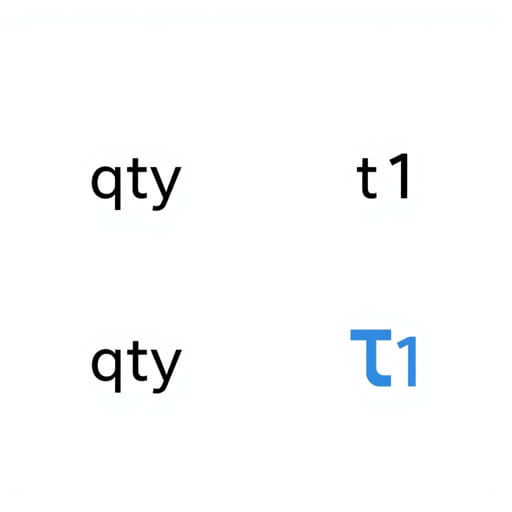
When using Zerodha, India’s leading discount stockbroker, investors often come across different terms in their holdings and positions windows. Two of the most common ones that create confusion are ‘QTY’ and ‘T1’. Both of these appear when you buy or sell shares, and they serve different purposes in tracking settlement cycles and share availability. Understanding the difference between QTY and T1 in Zerodha is crucial for effective portfolio management and avoiding misinterpretation of holdings, especially for those new to the stock market or the Zerodha platform.
What Does QTY Mean in Zerodha?
Definition and Purpose
QTY in Zerodha stands for ‘Quantity’ and refers to the number of shares that have been completely settled and credited to your demat account. This means you now officially own these shares, and they are fully available for sale without any restrictions. QTY reflects your settled and deliverable holdings.
When Is QTY Updated?
QTY is updated after the stock settlement cycle is completed. In the Indian stock market, the settlement follows a T+1 cycle, meaning trades are settled one working day after the trade date. If you buy shares on Monday, those shares will be reflected as QTY in your holdings by Tuesday evening.
- Trade Day (T): You buy shares.
- Next Day (T+1): Shares are credited to your demat account and show up under QTY.
How QTY Is Used in Trading
Once your shares appear under QTY, you can sell them at any time without restrictions. These shares are fully settled, and you own them legally and technically. If you plan to hold stocks for the long term or want to sell them later without delay, these will be the shares you work with.
What Does T1 Mean in Zerodha?
Understanding the Concept
T1 in Zerodha refers to shares that are in the ‘T+1’ stage of settlement essentially, they were bought on the previous trading day but have not yet been credited to your demat account. These shares are not yet settled and are still in the process of delivery from the clearing corporation to your account.
Where T1 Shares Appear
In Zerodha’s console or Kite app, T1 shares appear separately in your holdings as a temporary indicator of pending deliveries. This helps users track incoming shares from recent purchases before they become part of the settled quantity (QTY).
- T1 Holding: Indicates the shares purchased yesterday (T day) but not yet settled.
- Not Fully Owned Yet: You don’t have legal possession of these shares until they move to QTY.
Can T1 Shares Be Sold?
Yes, you can sell T1 shares in Zerodha, but there’s a caveat. Since these shares are not yet settled, selling them may result in a short delivery if the shares are not delivered by the clearinghouse on time. In such cases, Zerodha may conduct an auction, and you could be penalized. It’s advisable to wait until shares appear under QTY before selling to avoid complications.
Difference Between QTY and T1 in Zerodha
Ownership Status
- QTY: Fully owned and settled shares, officially credited to your demat account.
- T1: Recently purchased shares still in the settlement process, not fully owned yet.
Availability for Selling
- QTY: Can be sold anytime with no risk of penalty.
- T1: Can be sold, but selling may lead to short delivery if settlement delays occur.
Settlement Cycle
- QTY: Shares already settled (T+1 complete).
- T1: Shares in the process of settling (within T+1 cycle).
Visibility in Holdings
- QTY: Visible as part of your total stock holdings.
- T1: Shown separately to indicate incoming stock delivery.
Trading Implications
- QTY: No trading restrictions or risks.
- T1: May attract auction penalty in case of delivery failure.
Why Is It Important to Know the Difference?
Understanding the distinction between QTY and T1 helps investors make informed decisions. If you are unaware of the status of your shares, you might mistakenly believe you can sell them freely. For active traders, this distinction helps manage risk, prevent short deliveries, and stay compliant with stock settlement norms.
Avoiding Trading Mistakes
One of the common mistakes among new traders is selling T1 holdings assuming they are already settled. This may result in losses due to auction penalties or forced buybacks by the broker. Always double-check your holdings and only sell QTY shares unless you’re confident about the delivery timelines.
Planning Trades Efficiently
Being aware of when shares move from T1 to QTY helps in planning future trades. For example, if you intend to sell shares, you might wait until they appear under QTY, especially in volatile markets where settlement risks are higher.
Additional Terms Related to QTY and T1
What Is T+1 Settlement?
India now follows the T+1 rolling settlement cycle. This means that trades made today (T) are settled on the next working day (T+1). The shares you buy today are delivered to your demat account by the end of the next business day, making them part of your QTY holdings.
What Is Short Delivery?
If you sell T1 shares and they are not delivered to you on time, Zerodha may not be able to transfer those shares to the buyer. This is called short delivery. In such a case, the exchange may hold an auction to acquire shares from another seller to fulfill the obligation. You may bear the cost of the price difference if the auction price is higher.
Tips for Zerodha Users
- Always verify your holdings before placing a sell order.
- Use the Holdings section on Kite or Zerodha Console to check the QTY and T1 figures separately.
- Avoid selling T1 shares unless absolutely necessary and you’re aware of the risk.
- Keep track of settlement cycles, especially around market holidays and weekends.
The difference between QTY and T1 in Zerodha lies in the settlement status of shares. QTY reflects the settled, fully owned shares in your demat account, while T1 represents shares bought a day before but still pending settlement. Knowing this distinction helps you avoid short delivery issues, plan trades better, and manage your portfolio more effectively. As you grow as an investor or trader in the Indian stock market, mastering these small but significant details can greatly enhance your trading efficiency and protect you from unnecessary financial risks.