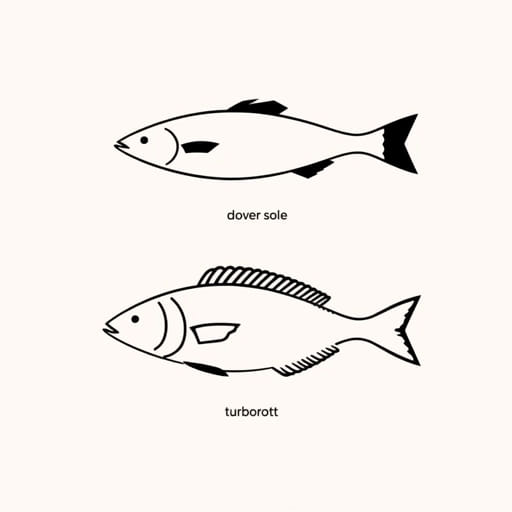
When it comes to choosing high-quality fish for a delicious seafood meal, Dover sole and turbot are two names that often come up. Both are flatfish prized in many cuisines for their delicate flavor and firm texture. However, despite some similarities, these fish differ significantly in taste, texture, appearance, and culinary uses. If you are curious about how Dover sole and turbot compare, this topic will guide you through their key characteristics to help you make an informed choice for your next seafood dish.
What is Dover Sole?
Dover sole is a species of flatfish found mainly in the North Atlantic Ocean and parts of the Mediterranean Sea. Known scientifically asSolea solea, it is famous for its mild, sweet flavor and fine, flaky texture. Dover sole is typically smaller than turbot, with a long, slender body and smooth skin that is usually brownish in color.
This fish is often considered a delicacy and is popular in European cooking, especially in French cuisine. The flesh of Dover sole is lean, with a subtle sweetness that makes it suitable for a variety of cooking methods, including pan-frying, grilling, and baking. Its firm but tender texture allows it to hold together well during cooking without becoming dry.
What is Turbot?
Turbot is another type of flatfish, scientifically namedScophthalmus maximus, found in the North Atlantic, the Baltic Sea, and the Mediterranean. It is larger and more rounded compared to Dover sole, with a diamond-shaped body covered in rough, bony scales. Turbot’s flesh is white, dense, and has a rich flavor that is often described as more intense than Dover sole.
Turbot is highly prized in gourmet kitchens due to its firm texture and distinctive taste. It is usually served in fine dining restaurants and can be prepared by roasting, steaming, or poaching. Because of its size, turbot provides more substantial fillets, making it a favorite for impressive presentations.
Key Differences Between Dover Sole and Turbot
Appearance and Size
- Dover Sole: Long, slender, and oval-shaped with smooth, brownish skin. Typically smaller, averaging 1 to 2 pounds.
- Turbot: Large, diamond-shaped body with rough, bony skin. Usually larger, weighing between 5 to 15 pounds or more.
Texture and Flavor
- Dover Sole: Mild, sweet flavor with delicate, flaky flesh. The texture is tender yet firm enough to hold its shape during cooking.
- Turbot: Richer and more robust flavor. The flesh is dense, firm, and slightly chewy compared to Dover sole.
Habitat and Availability
- Dover Sole: Commonly caught in the English Channel, North Sea, and Mediterranean. More widely available in European markets.
- Turbot: Found in colder waters of the North Atlantic, Baltic Sea, and Mediterranean. Considered rarer and often more expensive due to its size and demand.
Culinary Uses and Cooking Methods
- Dover Sole: Versatile for pan-frying, grilling, or baking. Often served with light sauces or simple garnishes to highlight its delicate taste.
- Turbot: Suited for roasting, steaming, or poaching. Its firm flesh stands up well to richer sauces and complex preparations.
Nutritional Benefits of Dover Sole and Turbot
Both Dover sole and turbot are excellent sources of lean protein, low in fat, and rich in essential nutrients such as omega-3 fatty acids, vitamins B6 and B12, and minerals like selenium and phosphorus. These nutrients support heart health, brain function, and overall wellness. Choosing either fish can be part of a balanced, nutritious diet.
Which One Should You Choose?
Your choice between Dover sole and turbot depends largely on your personal taste preferences and the type of dish you want to prepare. If you prefer a milder, more delicate flavor and smaller portions, Dover sole is an excellent option. It is also more affordable and easier to cook for home chefs who want simple yet elegant seafood dishes.
On the other hand, if you want a richer taste and a larger fish suitable for a special occasion or gourmet recipe, turbot is ideal. Its firm texture and distinctive flavor make it perfect for sophisticated meals and creative culinary presentations. Keep in mind that turbot tends to be pricier and less commonly found in everyday markets.
Tips for Cooking and Serving Dover Sole and Turbot
- Handling: Both fish should be fresh, with firm flesh and a mild ocean scent. Avoid fish that smells overly fishy or has discolored skin.
- Preparation: Clean and fillet carefully, especially with Dover sole, which can be delicate. Turbot requires skillful filleting due to its thick skin and bony structure.
- Cooking: For Dover sole, try cooking with lemon, butter, and herbs to enhance its subtle flavor. For turbot, richer sauces like beurre blanc or caper butter complement its taste well.
- Serving: Serve Dover sole with light sides such as steamed vegetables or simple rice dishes. Turbot pairs well with creamy mashed potatoes, roasted vegetables, or flavorful grains.
Dover sole and turbot both offer unique qualities that make them prized flatfish in the seafood world. While Dover sole appeals with its mild flavor and delicate texture, turbot impresses with a richer taste and firmer flesh. Understanding these differences helps you select the best fish for your meal, whether you want a quick pan-fried dish or an elegant gourmet presentation. Whichever you choose, both fish bring exceptional taste and nutrition to the table, making them excellent choices for seafood lovers.