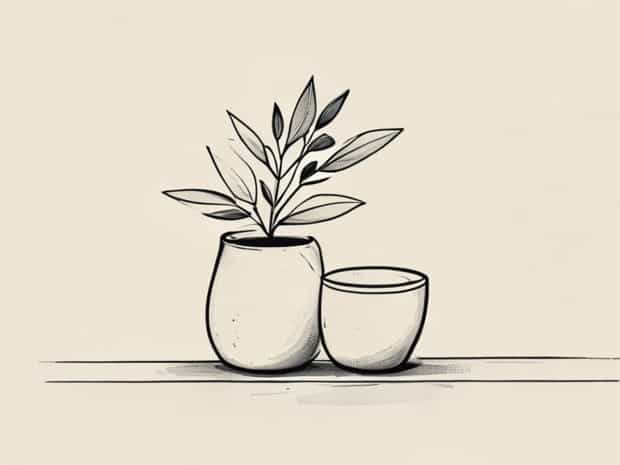
Learning how to create an easy still life drawing is one of the best ways to practice observation, patience, and artistic expression. Still life art has been used for centuries by beginners and professionals alike, because it allows an artist to focus on shapes, proportions, shading, and textures using everyday objects. Whether you are a student, a hobbyist, or someone looking to improve your creative skills, understanding the process of making an easy still life drawing can help you grow as an artist while also enjoying a calming and rewarding activity.
What Is Still Life Drawing?
Still life drawing is the art of sketching or painting inanimate objects that are often arranged in a pleasing composition. These objects can be simple household items such as fruit, cups, books, or flowers. The goal is to represent them realistically or artistically on paper. An easy still life drawing focuses on simple shapes and arrangements that allow beginners to practice without feeling overwhelmed.
Why Artists Practice Still Life
Many famous artists, from Renaissance painters to modern illustrators, have created still life works. The practice allows them to
- Study light and shadow in detail.
- Understand proportion and perspective.
- Experiment with different drawing techniques.
- Develop patience and focus on details.
Choosing Objects for Easy Still Life Drawing
The first step in still life drawing is selecting your objects. For beginners, it is best to choose items with simple shapes that can be broken down into basic forms like circles, rectangles, or cylinders. This makes the drawing process less intimidating and easier to approach.
Examples of Simple Objects
- Fruit such as apples, bananas, or oranges.
- A single vase or cup.
- Books stacked neatly.
- A simple flower with visible petals.
- A bottle or jar with a clear outline.
By starting with one or two items, you can focus more on accuracy and shading rather than feeling overwhelmed by a large composition.
Setting Up Your Composition
After selecting your objects, you need to arrange them in a way that looks balanced and visually appealing. This arrangement is known as a composition. Even in an easy still life drawing, a thoughtful composition makes a big difference.
Tips for Composition
- Place your objects at different angles to avoid monotony.
- Use contrast pair a round fruit with a tall vase.
- Keep enough space between objects so they don’t look crowded.
- Think about the direction of light and how shadows will fall.
Materials Needed for Easy Still Life Drawing
One of the advantages of still life drawing is that it doesn’t require expensive tools. You can start with basic materials and gradually explore more advanced options as you progress.
Essential Tools
- Pencils (HB for outlines, 2B-6B for shading).
- Eraser (regular and kneaded erasers work best).
- Sketchbook or plain drawing paper.
- A sharpener for precision.
- Optional charcoal, colored pencils, or ink for variation.
Step-by-Step Guide to Easy Still Life Drawing
If you want to start right away, following a simple process can help you create a drawing that looks polished without being overwhelming.
1. Observe the Objects Carefully
Spend a few minutes just looking at your chosen objects. Notice their shapes, shadows, and how they relate to each other in space. Observation is key to making your drawing realistic.
2. Sketch Basic Shapes
Break down each object into basic shapes. For example, a cup can be drawn as a cylinder, and an apple as a circle. Lightly sketch these forms to set the foundation for your composition.
3. Refine the Outlines
Once the basic shapes are in place, refine them into more accurate outlines. Add curves, edges, or details that make the object recognizable, but keep your lines light so you can make changes easily.
4. Add Shading and Shadows
Shading gives depth and realism to still life drawing. Identify the light source and use darker tones where shadows fall. Blend the pencil strokes smoothly to show the transition between light and dark.
5. Highlight Details
After shading, add finer details like the texture of a fruit’s skin or the ridges on a book’s spine. These small touches bring your still life drawing to life.
6. Review and Adjust
Step back and look at your drawing as a whole. Make adjustments to balance proportions, darken shadows, or clean up outlines with an eraser. This final check ensures your composition feels complete.
Practicing Easy Still Life Drawing
Like any skill, practice is essential for improvement. The more you draw, the more confident you will become in observation, shading, and composition. Beginners can start with short sketches of 10 to 15 minutes before attempting longer, more detailed drawings.
Ideas for Practice Sessions
- Draw the same object from different angles.
- Experiment with different light sources, such as natural light or a desk lamp.
- Use only one type of pencil, such as a 2B, to challenge yourself.
- Limit yourself to three objects and explore how they interact visually.
Benefits of Still Life Drawing
Still life is not only an art exercise but also a mental and emotional practice. Spending time sketching simple objects can improve focus and reduce stress. For many people, creating easy still life drawings becomes a relaxing hobby as well as a foundation for more advanced art forms.
Skills You Develop
- Patience and concentration.
- Understanding of shapes, light, and shadow.
- Improved hand-eye coordination.
- Artistic confidence to tackle complex subjects later.
Making Still Life Drawing More Creative
Once you feel comfortable with basic drawings, you can add your own artistic touch. This could mean experimenting with bold shading, using colored pencils, or even creating abstract interpretations of everyday objects. The beauty of easy still life drawing is that it gives you freedom to learn and grow while expressing your style.
Easy still life drawing is one of the best ways for beginners and experienced artists alike to practice essential art techniques. By starting with simple objects, focusing on composition, and practicing shading, anyone can create meaningful and visually pleasing artwork. Over time, this practice not only improves technical skill but also builds creativity, observation, and patience. With just a pencil and paper, you can transform ordinary objects into works of art, proving that still life remains a timeless and valuable form of drawing.