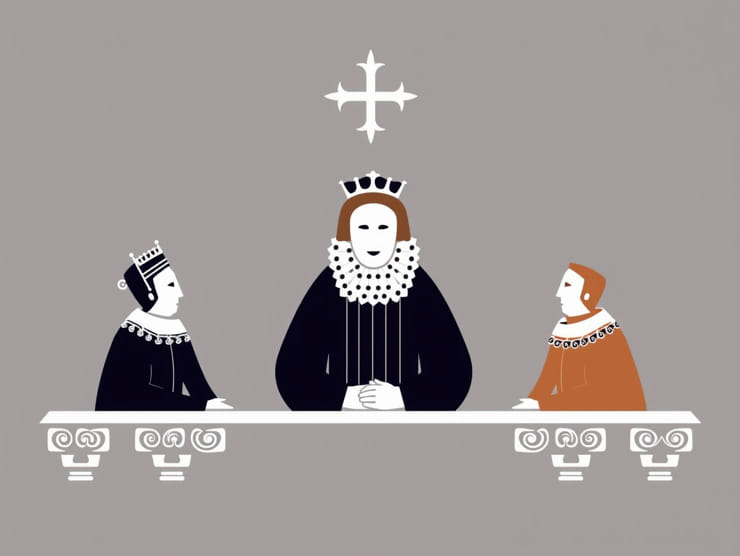
The periods of Elizabethan and Jacobean drama represent two of the most influential eras in English literary history, especially in the realm of tragedy. From the late 16th century into the early 17th, England experienced a dramatic explosion of theatrical works that reflected shifting political tensions, religious uncertainties, and evolving societal values. Tragedies from the Elizabethan and Jacobean periods are not only rich in poetic language and philosophical depth but also serve as a mirror to the psychological and moral anxieties of their time. These works continue to resonate with modern audiences due to their timeless exploration of ambition, power, betrayal, fate, and human suffering.
Understanding Elizabethan Tragedy
The Context of Elizabethan Drama
Elizabethan tragedy refers to plays written during the reign of Queen Elizabeth I (1558-1603). This era was marked by national pride, relative political stability, and the flourishing of the arts, particularly theater. The Renaissance spirit encouraged the rediscovery of classical texts, including those of Seneca and Aristotle, which greatly influenced the structure and themes of Elizabethan tragedies.
Key Features of Elizabethan Tragedy
Elizabethan tragedies typically followed the five-act structure influenced by Roman models, but they introduced innovations that made them uniquely English. Some defining characteristics include
- Tragic HeroUsually a noble figure with a fatal flaw (hamartia) that leads to his downfall.
- Supernatural ElementsGhosts, omens, and prophecies often play significant roles in shaping the narrative.
- Poetic LanguageUse of iambic pentameter and elaborate metaphors to elevate the dialogue.
- Revenge MotifsInspired by Senecan drama, many Elizabethan tragedies revolve around themes of vengeance.
- Philosophical ReflectionsExploration of free will, fate, and the nature of evil.
Notable Playwrights and Works
The most prominent figure of Elizabethan tragedy is William Shakespeare. His tragic works such asHamlet,Othello,King Lear, andMacbethhave become canonical. These plays illustrate complex psychological characters and moral dilemmas that are still relevant today.
Another important figure is Christopher Marlowe, whose playDoctor Faustusexamines ambition, damnation, and the cost of knowledge. Marlowe’s tragedies were often darker and more philosophical, setting the tone for future Jacobean dramatists.
The Transition to Jacobean Tragedy
Historical Background of the Jacobean Era
The Jacobean era began with the accession of James I in 1603 and lasted until around 1625. Compared to the optimistic tone of the Elizabethan age, Jacobean society was more disillusioned. Political conspiracies, religious conflicts, and philosophical skepticism influenced the mood of the time. These changes were reflected in the darker and more cynical tone of Jacobean tragedy.
Distinguishing Features of Jacobean Tragedy
Jacobean tragedies retained many Elizabethan elements but intensified them in terms of violence, moral ambiguity, and complexity. Some key characteristics include
- Darker ThemesGreater focus on corruption, deceit, and existential despair.
- Grim EndingsOften, multiple deaths occur, sometimes with no clear resolution or justice.
- Psychological DepthCharacters are more introspective, and moral choices are more ambiguous.
- Urban SettingsShift from castles and courts to cities and domestic spaces, reflecting social realism.
- Sexual and Political IntriguePlays frequently deal with taboo subjects and power struggles within families and states.
Prominent Jacobean Tragedians
While Shakespeare continued to write during the Jacobean period, other playwrights rose to prominence with even darker works. John Webster’sThe Duchess of MalfiandThe White Devilare prime examples of Jacobean tragedy, filled with gore, betrayal, and complex female characters.
Thomas Middleton and Cyril Tourneur also contributed significantly. Middleton’sThe Revenger’s Tragedycritiques societal decay through satire and dark humor. Ben Jonson, though better known for his comedies, also wrote tragedies likeSejanusandCatiline, which are notable for their political critique and historical detail.
Comparing Elizabethan and Jacobean Tragedy
Evolution of Tragic Tone
One of the clearest differences between Elizabethan and Jacobean tragedy lies in tone. Elizabethan tragedy often ends in sorrow but maintains a sense of moral order. Jacobean tragedy, by contrast, embraces chaos, suggesting that justice is either absent or meaningless in a corrupt world.
Character Development
Elizabethan tragic heroes are often idealistic and struggle with internal flaws, as seen in Hamlet or Macbeth. Jacobean protagonists are more likely to be morally compromised or entangled in a world that leaves no room for redemption.
Social and Political Commentary
Jacobean drama is more overt in its critique of politics and society. The plays often reflect paranoia about surveillance, betrayal, and tyranny, revealing deep distrust in leadership and institutions. Elizabethan plays, while political, tend to present authority with more reverence.
Impact and Legacy of Elizabethan and Jacobean Tragedy
Influence on Modern Drama
Both Elizabethan and Jacobean tragedies have left a lasting impact on literature and theater. The tragic structures, character archetypes, and thematic concerns established during these periods have influenced countless writers, from Romantic poets to modern screenwriters.
The psychological realism found in Shakespeare and Webster anticipates the introspective nature of modern drama, while the fatalistic worldviews in Jacobean tragedy find echoes in contemporary works dealing with political corruption and moral ambiguity.
Enduring Themes
Why do audiences continue to return to these centuries-old tragedies? Because they deal with timeless concerns ambition, identity, justice, mortality, and the search for meaning. Whether in the idealism of Elizabethan tragedy or the nihilism of Jacobean drama, these works capture the full range of human emotion and ethical conflict.
Elizabethan and Jacobean tragedies stand as monumental achievements in English literature. Though distinct in tone and outlook, both forms challenge audiences to confront the depths of the human soul. The progression from the noble fall of the Elizabethan hero to the bleak and often merciless world of the Jacobean protagonist reflects the shifting cultural, political, and philosophical landscape of the time. Together, they offer a comprehensive exploration of tragedy, from hope and honor to darkness and despair an artistic journey that continues to shape our understanding of storytelling and the human experience.